
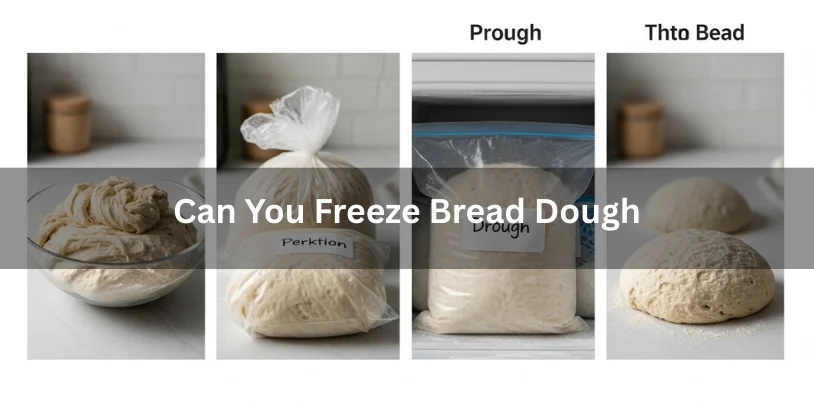
Freezing bread dough is a smart way to save time, reduce waste, and enjoy fresh bread whenever you want. For home bakers and commercial kitchens alike, knowing how and when to freeze dough is key to preserving texture, flavor, and yeast activity. This guide covers everything—from dough types and yeast survival to thawing, baking, and troubleshooting—so you can freeze dough with confidence.
Why Freezing Bread Dough Matters
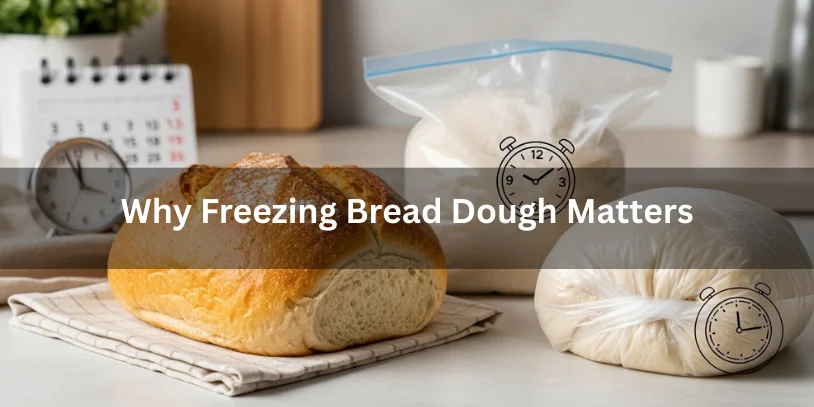
Bakers often face the dilemma of wanting fresh bread without daily preparation. Freezing dough offers several advantages:
- Time-saving: Prepare batches in advance, freeze, and bake fresh whenever needed.
- Waste reduction: Extra dough can be preserved rather than discarded.
- Flexible baking schedules: Freeze dough to bake according to demand.
- Consistent quality: When frozen correctly, dough retains most of its elasticity and oven spring.
However, freezing dough requires attention to fermentation stage, yeast activity, and storage methods, or the final bread may be dense, flat, or flavor-compromised.
Can Freezing Kill Yeast?
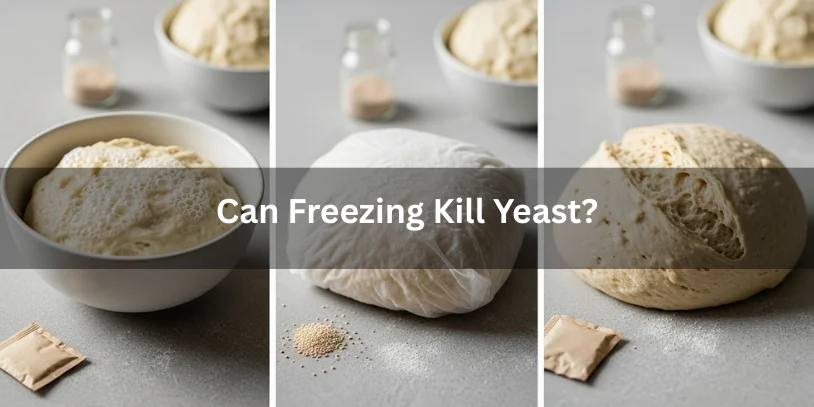
Yeast, particularly Saccharomyces cerevisiae, is remarkably resilient. Freezing does not kill all yeast, but ice crystals can damage some cells. Enough yeast usually survives to allow the dough to rise after thawing.
Key points:
- Freeze dough after the first rise to preserve yeast and gluten structure.
- Proper wrapping in plastic wrap and freezer bags minimizes ice crystal formation.
- Thaw slowly in the fridge to allow yeast to recover before baking.
Tip: Instant yeast survives freezing slightly better than active dry yeast, and sourdough relies on wild yeast and lactic acid bacteria, which are somewhat more sensitive to freezing but remain viable with correct handling.
At What Stage Can You Freeze Bread Dough?

Freezing at the correct stage is crucial for maintaining texture and rise.
| Dough Stage | Freezing Recommended? | Notes |
|---|---|---|
| Before any rise | Not ideal | Dough may lack gluten development and rise poorly. |
| After first rise (bulk fermentation) | Best | Yeast is active, gluten is developed, dough can be portioned. |
| After second rise (proofed dough) | Risky | Dough may overproof or collapse during thawing. |
| Fully baked bread | Yes (different method) | Freeze after baking, wrap airtight; used for ready-to-eat storage. |
Decision Framework:
- Home bakers: Freeze after first rise to allow flexibility.
- Commercial bakers: Freeze in portioned loaves after bulk fermentation to streamline operations.
How to Freeze Bread Dough Step by Step
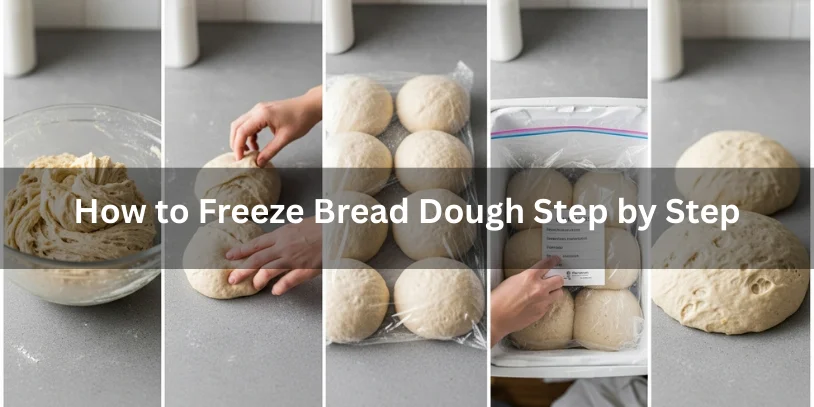
Freezing is simple if done correctly. Follow these steps for optimal results:
- Prepare dough according to your recipe.
- Complete first rise until doubled in size.
- Gently degas the dough to release excess gas.
- Shape the dough into loaves, rolls, or portions.
- Wrap tightly with plastic wrap and place in a freezer bag.
- Label with date for reference (best used within 4 weeks for yeast dough).
- Freeze at −18°C / 0°F or lower.
Tips for different dough types:
- Sourdough: Freeze after bulk fermentation; expect slightly milder flavor.
- No-yeast dough (flatbreads, pizza bases): Can freeze before rising with excellent results.
How to Thaw and Bake Frozen Dough
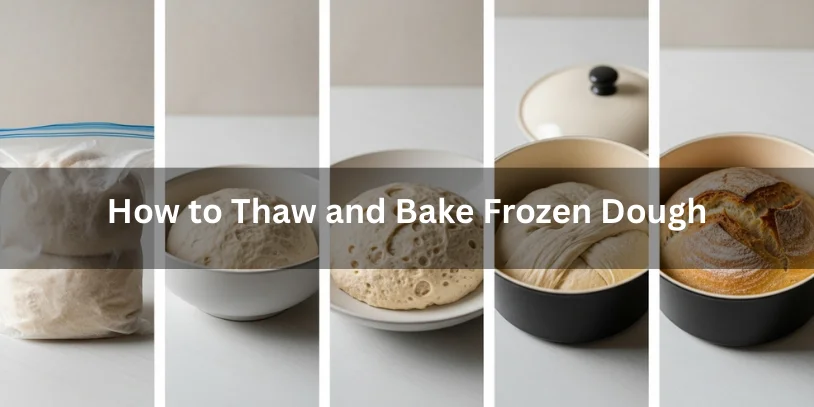
Thawing and baking frozen dough correctly is essential to maintain its structure:
- Transfer to refrigerator and thaw 8–12 hours.
- Bring to room temperature if needed.
- Allow second rise—may take longer than fresh dough.
- Preheat oven according to recipe.
- Bake as usual and monitor for proper oven spring.
Common pitfalls:
- Thawing at high temperatures can damage gluten and yeast.
- Baking straight from the freezer without thawing may result in dense bread.
Differences Between Dough Types
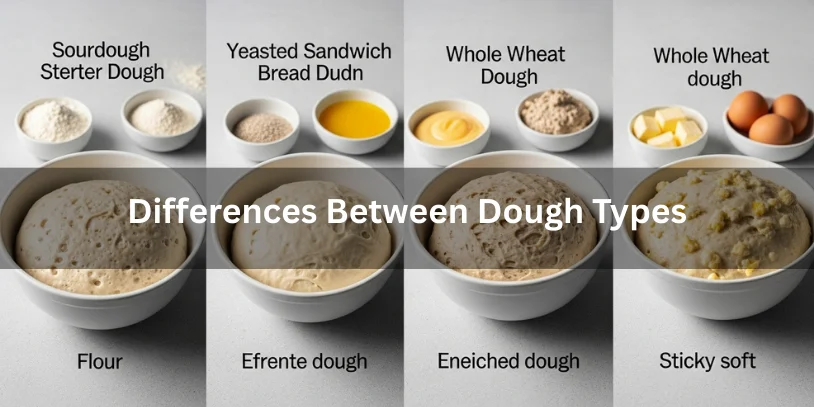
Sourdough Bread Dough
- Contains wild yeast and lactic acid bacteria.
- Flavor slightly softens after freezing.
- Bulk fermentation stage is critical.
Yeast Dough (Instant or Active Dry Yeast)
- Best frozen after first rise.
- Maintains rise and elasticity if thawed properly.
No-Yeast Dough
- Excellent freeze stability.
- Can freeze before rising without affecting quality.
Common Mistakes When Freezing Dough
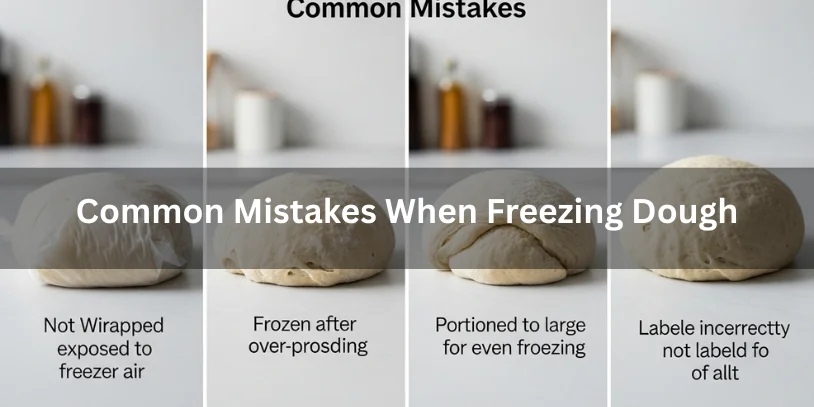
- Freezing after second rise (overproofing).
- Poor wrapping leading to freezer burn.
- Expecting same rise time as fresh dough.
- Ignoring dough hydration (wetter dough may need extra proofing).
Avoid these to ensure consistent results.
Tools and Equipment for Freezing Dough
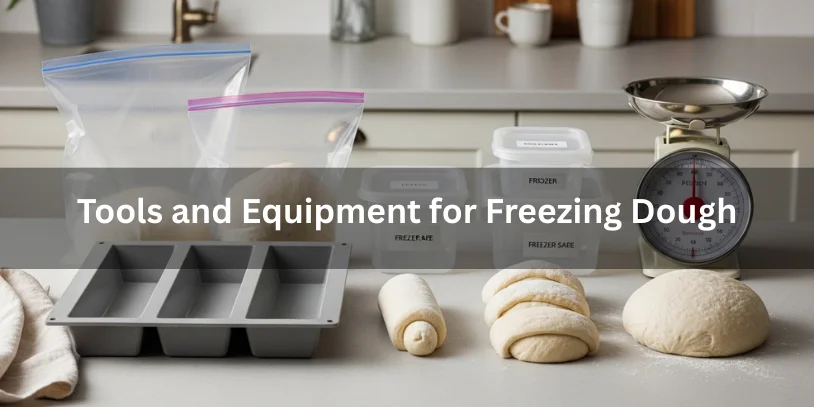
- Freezer bags and airtight containers
- Plastic wrap to prevent freezer burn
- Dough scraper for portioning
- Proofing baskets to maintain loaf shape
Optional: Labeling tape, date markers, and vacuum sealers for extended storage.
Food Safety and Storage Guidelines
- Freeze at or below −18°C / 0°F.
- Use within 4 weeks for optimal yeast activity.
- Check dough for off odors or discoloration before baking.
- Avoid refreezing thawed dough to prevent yeast deterioration.
Baking Adjustments for Frozen Dough
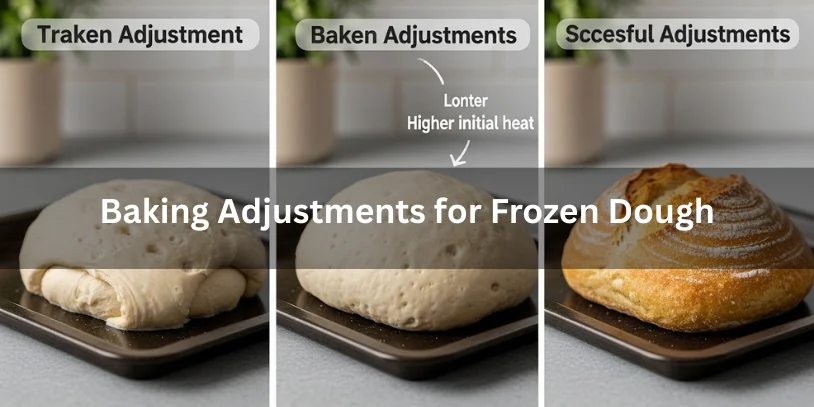
- Expect slightly longer second rise.
- Oven spring may be slower; score loaves carefully.
- For sourdough, flavor may be milder; consider a slightly longer proof.
- Hydration adjustments may be needed for very dry or wet doughs.
Advantages and Limitations
Pros:
- Saves time and labor.
- Reduces waste and allows batch preparation.
- Flexible baking schedule.
Cons:
- Slight texture and flavor changes for sourdough.
- Requires planning for thawing and second rise.
- Improper freezing can lead to dense, flat loaves.
FAQs
1. Can you freeze bread dough after it rises?
Yes, freezing after the first rise is ideal. Dough should be gently degassed and wrapped airtight.
2. Does freezing dough kill yeast?
Freezing does not kill all yeast. Some cells may die, but enough survive to allow proper rising after thawing.
3. Can frozen dough rise again?
Yes, thawed dough will undergo a second rise. Timing may be longer than fresh dough.
4. Can you freeze sourdough bread dough?
Yes, freeze after bulk fermentation. Flavor may be slightly milder, and proofing may take longer.
5. Can you freeze dough without yeast?
Absolutely. Flatbreads, pizza bases, and other no-yeast doughs freeze very well.
6. How long should frozen dough thaw?
Typically 8–12 hours in the refrigerator. Room temperature thawing may be needed before baking.
7. Is frozen dough safe to eat?
Yes, as long as it’s frozen at safe temperatures, thawed properly, and baked before consumption.
8. Should dough be frozen before or after rising?
After the first rise is recommended for most yeast doughs. No-yeast doughs can be frozen before rising.
9. How long can bread dough stay frozen?
Yeast dough is best used within 4 weeks; leaner or no-yeast dough can last 6 weeks.
10. Why is my frozen dough flat?
Common reasons include freezing after the second rise, poor yeast survival, or insufficient thawing time.
Conclusion
Freezing bread dough is a highly practical solution for home bakers and commercial kitchens alike. By freezing after the first rise, properly wrapping, and thawing slowly, you can enjoy fresh, elastic, and flavorful bread anytime. Understanding yeast survival, dough types, and proper baking adjustments ensures that your frozen dough produces high-quality results consistently. With the right tools and techniques, batch baking and frozen dough storage become effortless.
Pingback: Sourdough Gnocchi Explained: Flavor, Fermentation, Texture Control & How to Make It Right In 2026 - DreamWhip Bakers
Pingback: Can You Freeze Brioche Bread? How to Store, Thaw, and Reheat It Without Losing Softness In 2026 - DreamWhip Bakers
Pingback: Cream Cheese Stuffed Pretzels: What They Are, How They’re Made, and How to Choose the Best Option In 2026 - DreamWhip Bakers