Uncategorized

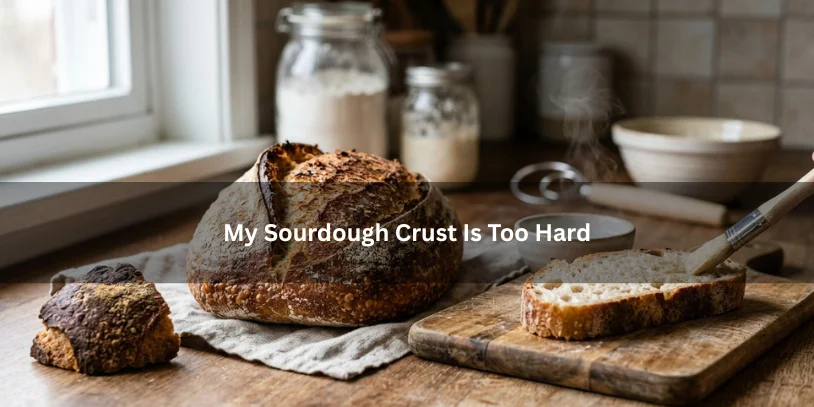
Close-up of a sourdough loaf with an overly hard crust, indicating a baking issue. .-my sourdough crust is too hard

My Sourdough Crust Is Too Hard: Why It Happens and How to Fix It

If your sourdough crust is too hard, the outside of the loaf has dried, thickened, or set too aggressively during baking or storage. The most common causes are not enough steam, too much uncovered baking, low dough hydration, excessive bottom heat, overbaking, or poor storage after cooling. A good sourdough crust should be crisp, flavorful, […]

My Sourdough Crust Is Too Hard: Why It Happens and How to Fix It Read More »
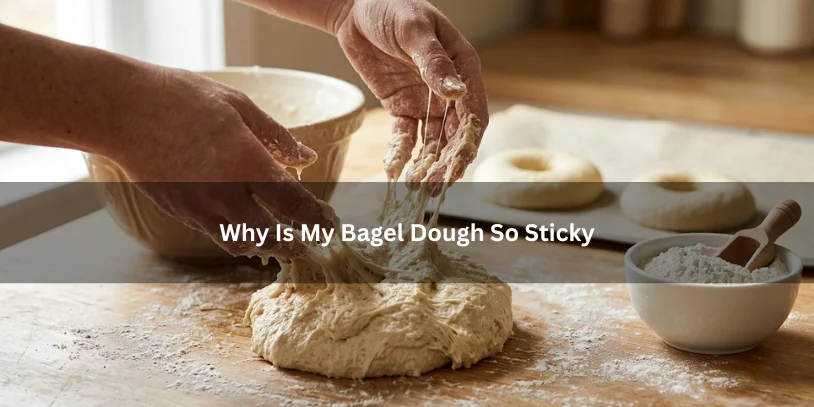
Sticky bagel dough stretching between hands on a floured countertop beside smooth shaped bagels under soft natural lighting.-why is my bagel dough so sticky

Why Is My Bagel Dough So Sticky? Causes, Fixes, and How to Save It

Bagel dough is sticky when it has too much water, weak gluten development, low-protein flour, warm dough temperature, or not enough resting time. It should feel firm, elastic, and slightly tacky — not wet, loose, or paste-like. If your dough is clinging to your fingers or smearing across the counter, don’t panic. Sticky bagel dough

Why Is My Bagel Dough So Sticky? Causes, Fixes, and How to Save It Read More »

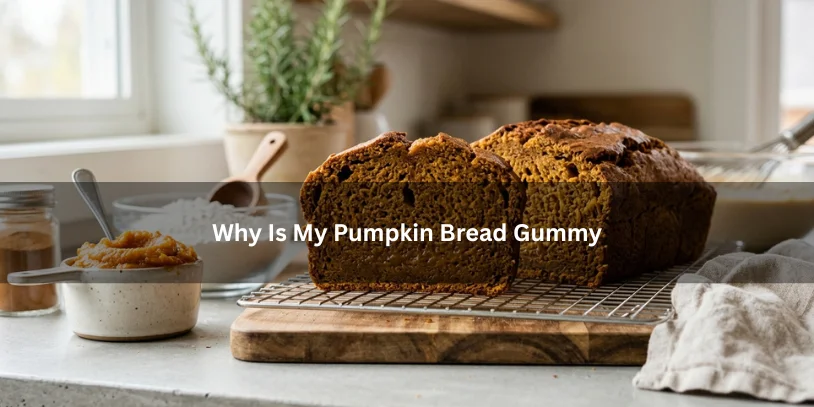
Sliced pumpkin bread with a dense gummy interior next to pumpkin puree and baking ingredients, illustrating why pumpkin bread can turn gummy under soft natural lighting.-why is my pumpkin bread gummy

Why Is My Pumpkin Bread Gummy? Causes, Fixes, and No-Fail Baking Tips

Pumpkin bread usually turns gummy because the center did not fully set. The most common causes are underbaking, too much moisture, overmixed batter, undermeasured flour, weak leavening, or slicing the loaf before it has cooled. A good pumpkin bread should be moist, tender, and sliceable. A gummy pumpkin bread feels sticky, dense, rubbery, wet, or

Why Is My Pumpkin Bread Gummy? Causes, Fixes, and No-Fail Baking Tips Read More »

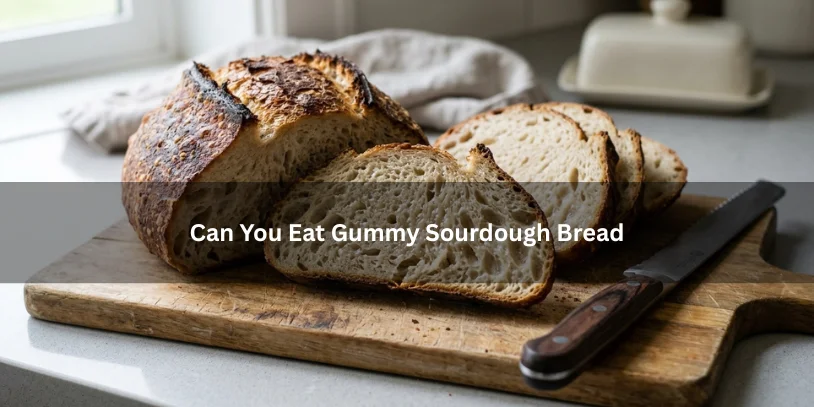
Sliced sourdough bread with a dense, slightly gummy interior crumb on a wooden board, illustrating whether gummy sourdough bread can be eaten.-can you eat gummy sourdough bread

Can You Eat Gummy Sourdough Bread? Safety, Causes, Fixes & When to Toss It

Yes, you can eat gummy sourdough bread if it is fully baked, mold-free, smells normal, and only feels slightly moist or tacky. Do not eat it if the center is raw, wet, slimy, moldy, or spoiled-smelling. Gummy sourdough is usually a texture problem, not automatically a food safety problem. But there is an important difference

Can You Eat Gummy Sourdough Bread? Safety, Causes, Fixes & When to Toss It Read More »

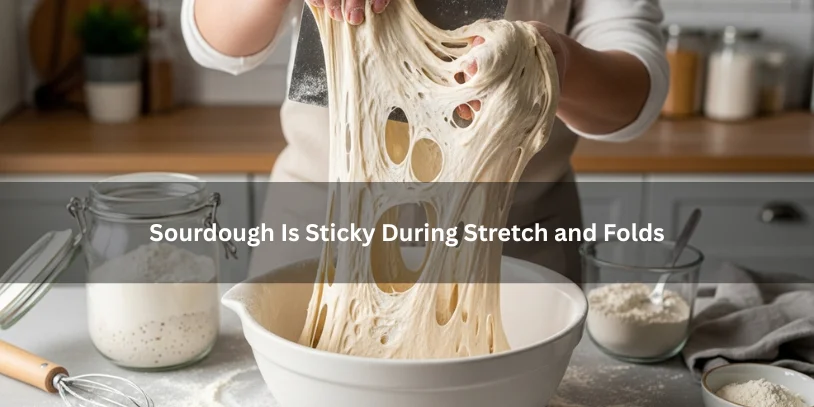
Sticky sourdough dough being stretched and folded in a bowl, illustrating why dough can feel sticky during early development on a clean kitchen countertop.-sourdough is sticky during stretch and folds

Sourdough Is Sticky During Stretch and Folds? Causes & Fixes

If your sourdough is sticky during stretch and folds, it does not automatically mean your dough is ruined. Sourdough often feels sticky early in bulk fermentation because the flour is still absorbing water, gluten development is still happening, and the dough has not built enough strength yet. A little stickiness is normal. The problem starts

Sourdough Is Sticky During Stretch and Folds? Causes & Fixes Read More »

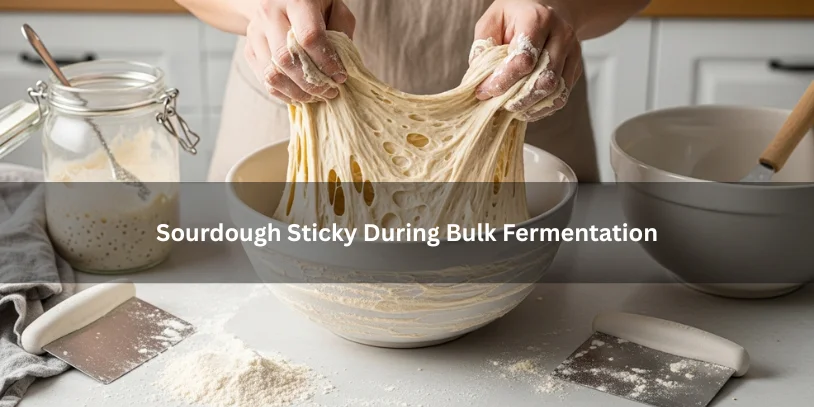
Sticky sourdough dough during bulk fermentation, showing stretch marks and stickiness beside sourdough starter and baking tools on a clean kitchen countertop.-sourdough sticky during bulk fermentation

Sourdough Sticky During Bulk Fermentation? Causes, Fixes, and What to Do Next

If your sourdough feels sticky during bulk fermentation, you are not automatically dealing with a failed dough. Some stickiness is completely normal. The real issue is figuring out whether your dough is simply tacky and active, or whether it is turning weak, slack, and hard to recover. That difference matters a lot. A healthy dough

Sourdough Sticky During Bulk Fermentation? Causes, Fixes, and What to Do Next Read More »

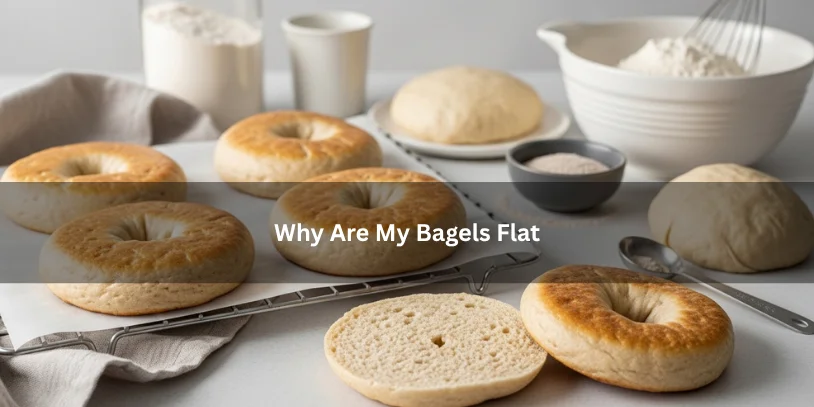
Flat homemade bagels on a baking tray beside baking ingredients, illustrating bagels that failed to rise properly in a clean kitchen setting.-why are my bagels flat

Why Are My Bagels Flat? Fix the Real Causes of Dense, Deflated, and Wrinkly Bagels

If your bagels keep coming out flat, the problem is usually not random. In most cases, flat bagels happen because the dough is overproofed, too wet, under-kneaded, made with weak flour, shaped too loosely, or boiled too long. That is the short answer. The useful answer is figuring out which one of those happened in

Why Are My Bagels Flat? Fix the Real Causes of Dense, Deflated, and Wrinkly Bagels Read More »

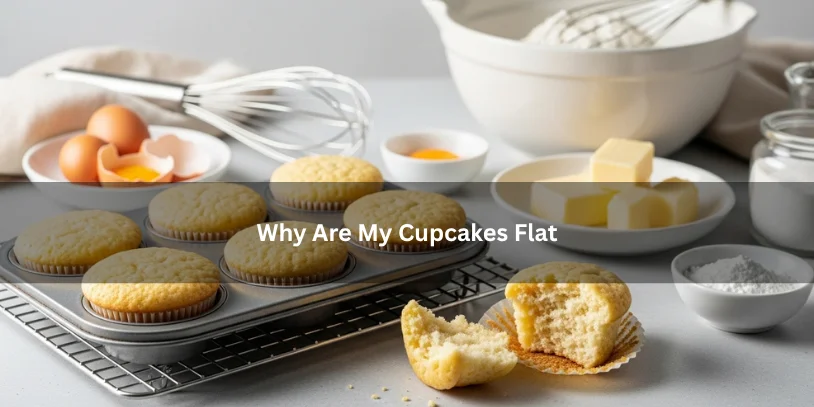
Flat homemade cupcakes on a cooling rack beside baking ingredients, illustrating cupcakes that failed to rise properly in a clean kitchen setting.-why are my cupcakes flat

Why Are My Cupcakes Flat? Common Causes, Easy Fixes, and How to Make Cupcakes Rise Better

If you keep asking, “why are my cupcakes flat,” the good news is that this is usually a fixable baking problem, not a mystery. Flat cupcakes normally happen when the batter does not build enough lift or cannot hold its structure while baking. The most common causes are expired baking powder or baking soda, low

Why Are My Cupcakes Flat? Common Causes, Easy Fixes, and How to Make Cupcakes Rise Better Read More »