
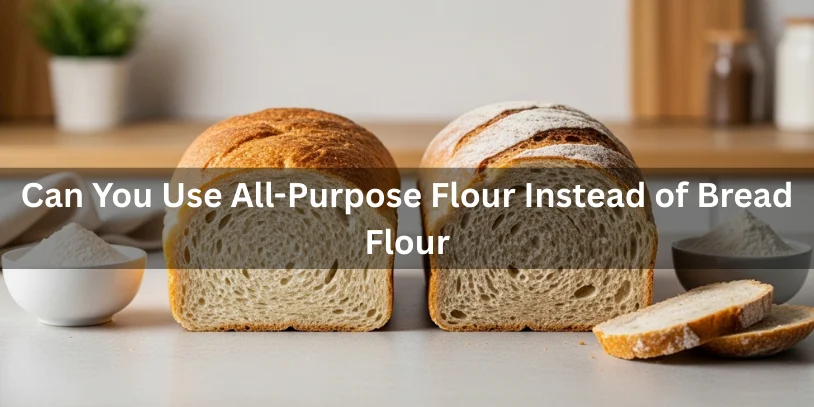
Can You Use All-Purpose Flour Instead of Bread Flour?
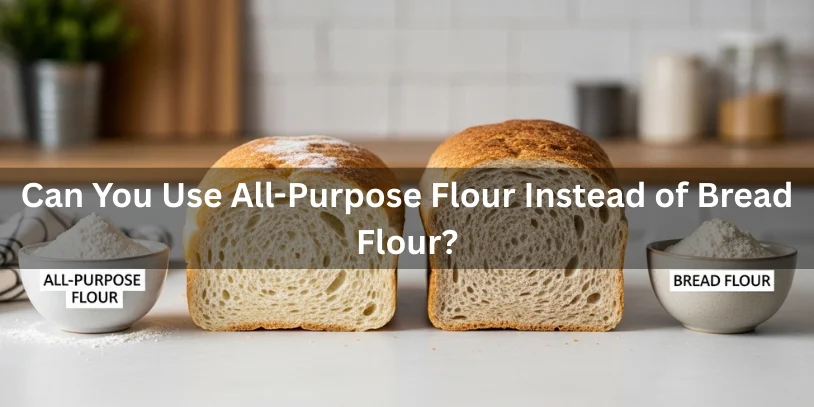
The short answer is yes—you can use all-purpose flour instead of bread flour in many situations. The longer, more useful answer is that the results depend on what you’re baking, how much structure the dough needs, and whether you’re baking at home or professionally.
For most home bakers, this substitution works better than expected. For certain breads and techniques, however, the differences in protein and gluten strength become noticeable. Understanding why helps you decide when to substitute and how to adjust so your bread still rises, holds its shape, and tastes right.
Bread Flour vs All-Purpose Flour: What’s the Real Difference?
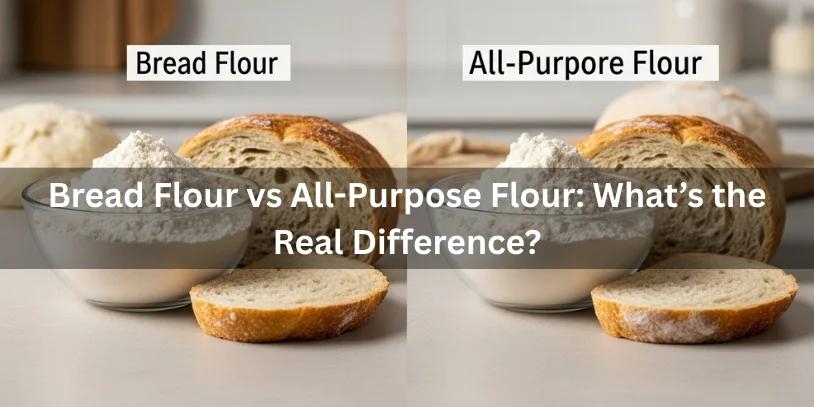
The main difference between bread flour and all-purpose flour is protein content, which directly affects gluten development.
| Flour Type | Typical Protein Range | Best Use |
|---|---|---|
| Bread flour | ~12–14% | Yeast breads, bagels, chewy loaves |
| All-purpose flour | ~10–11% | Cakes, cookies, quick breads, general use |
Protein forms gluten when mixed with water and worked through kneading or fermentation. More protein means:
- Stronger dough elasticity
- Better gas retention from yeast
- Chewier crumb structure
All-purpose flour has enough protein to make bread—but not as much margin for error.
Why Protein and Gluten Matter in Baking
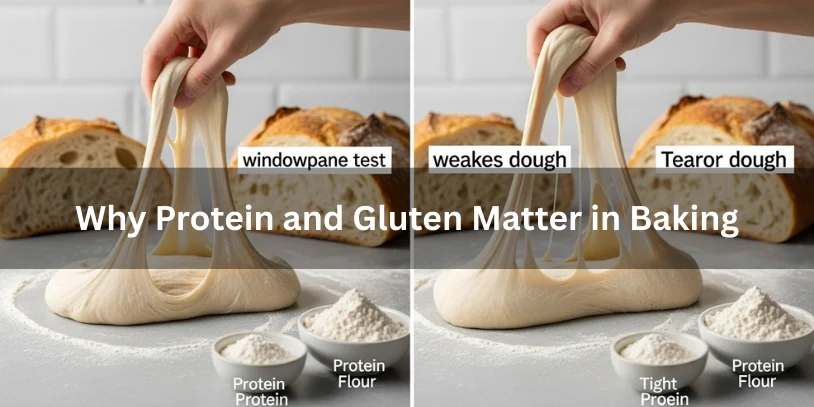
When yeast dough ferments, it produces carbon dioxide. Gluten traps that gas, allowing the dough to rise. If the gluten network is too weak:
- Bread may rise less
- Crumb can be tighter or softer
- Loaves may spread instead of holding shape
This doesn’t mean the bread fails—it just means the texture changes.
Why this matters practically:
Casual breads are forgiving. Artisan breads and high-chew styles are not.
When Using All-Purpose Flour Instead of Bread Flour Works Well
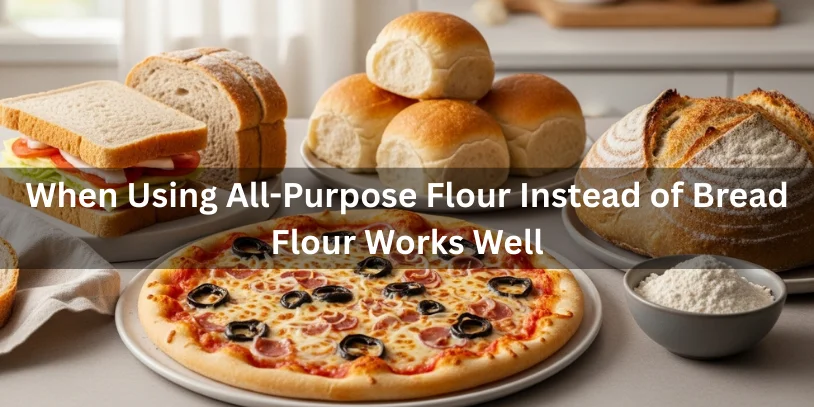
All-purpose flour performs surprisingly well in many bread recipes, especially when structure demands are moderate.
Good candidates for substitution:
- Sandwich bread
- Dinner rolls
- Pizza dough
- Focaccia
- Sourdough (with adjustments)
In these cases, the difference between bread flour and all-purpose flour is often subtle, especially for home baking.
When the Substitution Doesn’t Work as Well
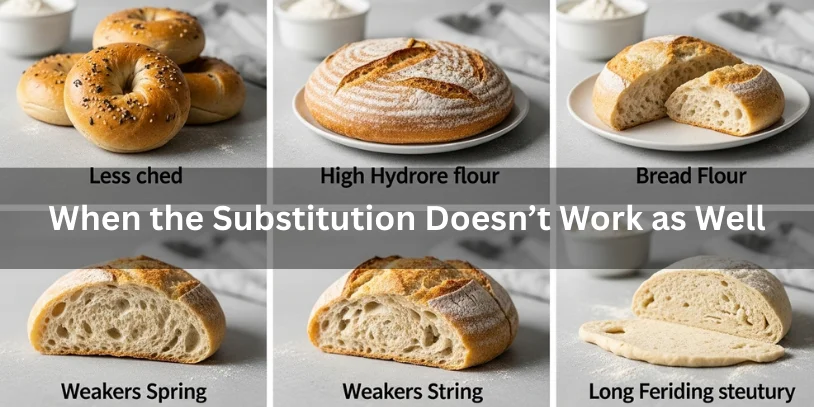
There are scenarios where bread flour is genuinely better.
Less suitable situations:
- Bagels
- Very high-hydration artisan loaves
- Doughs that rely on extreme chew
- Commercial production with tight consistency standards
In these cases, the lower protein of all-purpose flour limits dough strength.
Home Baking vs Professional Baking: A Key Distinction

One reason advice online feels contradictory is that home baking and commercial baking have different thresholds.
- Home bakers value convenience and flexibility
- Professionals need repeatable structure, volume, and texture
At home, a loaf that’s slightly softer is usually acceptable. In a bakery, that difference matters. This is why professional formulas often insist on bread flour while home recipes don’t.
Recipe-Specific Guidance
Can I Use All-Purpose Flour Instead of Bread Flour for Sourdough?
Yes. Many successful sourdough loaves use all-purpose flour.
To compensate:
- Use stretch-and-fold techniques
- Extend fermentation time
- Consider a short autolyse
Long fermentation naturally strengthens gluten, making sourdough more forgiving.
Can You Use All-Purpose Flour Instead of Bread Flour in Focaccia?
Yes, and often with excellent results. Focaccia doesn’t rely on tight structure, and the softer crumb can actually be a benefit.
Can I Substitute Bread Flour for All-Purpose Flour in Cookies?

You can, but expect:
- More chew
- Slightly denser texture
Some bakers prefer this for chocolate chip cookies. It’s a choice, not a rule.
Can I Substitute Bread Flour for All-Purpose Flour in Muffins or Cake?

Generally no. Bread flour creates too much gluten, leading to tough, dense results. Cakes and muffins need tenderness more than structure.
Will Bread Still Rise With All-Purpose Flour?
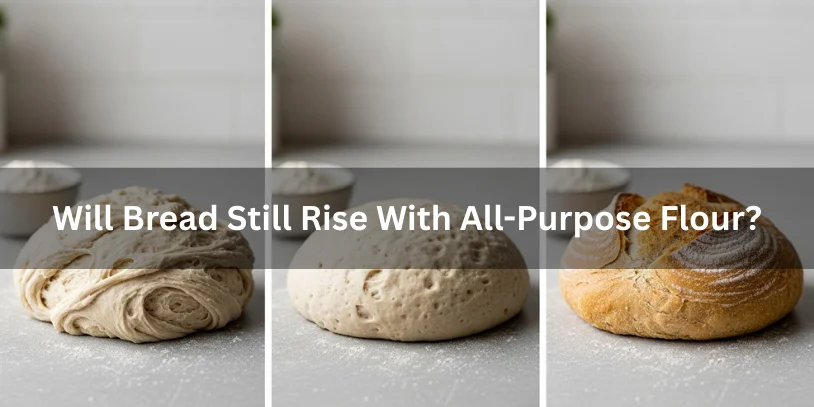
Yes. Yeast will still ferment, and bread will still rise. The rise may be:
- Slightly lower
- Less dramatic
- Softer in structure
For everyday loaves, this difference is rarely a dealbreaker.
All-Purpose Flour to Bread Flour Ratio
In most recipes, the substitution is simple:
Use a 1:1 ratio by weight or volume.
Then adjust technique rather than quantity.
How to Strengthen All-Purpose Flour for Bread
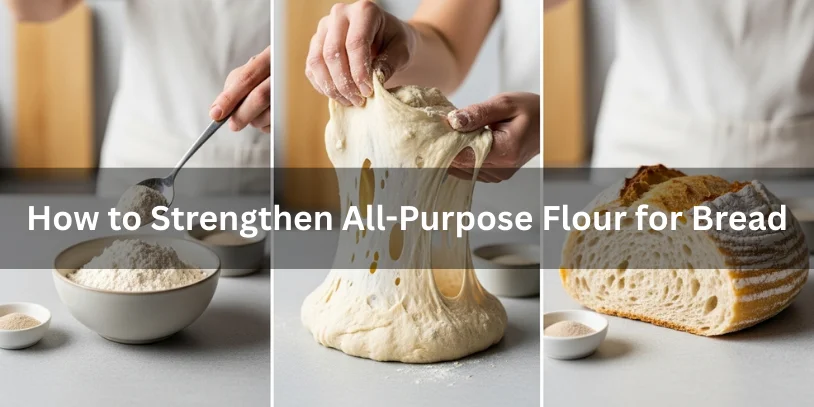
If you want results closer to bread flour, technique matters more than additives.
1. Use an Autolyse
Mix flour and water and let it rest for 20–30 minutes before kneading. This jump-starts gluten development naturally.
2. Adjust Hydration Slightly
All-purpose flour may benefit from a small increase in water—often 1–2%—to improve extensibility.
3. Knead Gently but Thoroughly
Over-kneading weaker flour can tear gluten. Aim for smooth, elastic dough rather than maximum strength.
4. Use Fermentation Time
Cold fermentation or longer bulk rises strengthen dough without extra effort.
Should You Add Cornstarch or Vital Wheat Gluten?
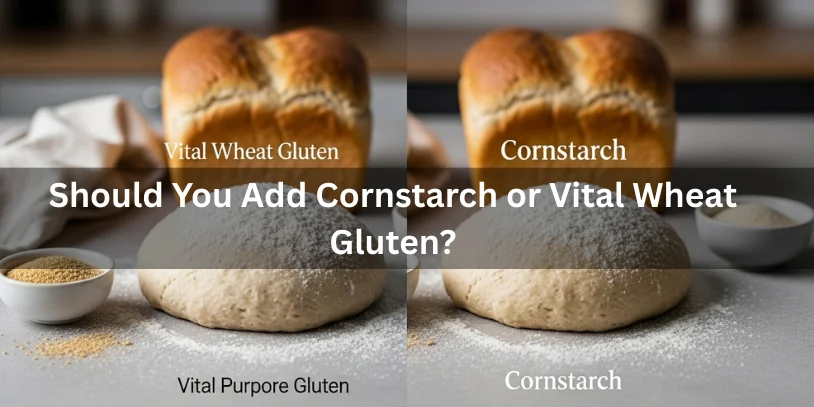
- Cornstarch: Not recommended. It reduces protein and weakens dough.
- Vital wheat gluten: Useful in small amounts if structure is critical, but unnecessary for most home bakers.
Technique usually beats additives.
Flour Variability by Region
Protein content labeled as “all-purpose” varies by country and brand. Some all-purpose flours are naturally closer to bread flour strength, which explains why substitution success differs globally.
This variability is one reason global baking advice can feel inconsistent.
Common Mistakes When Substituting Flour
- Expecting identical texture without adjustments
- Over-kneading to “force” structure
- Ignoring fermentation time
- Using cake techniques for yeast dough
Understanding what flour can and can’t do avoids frustration.
Is Bread Flour Necessary for Homemade Bread?
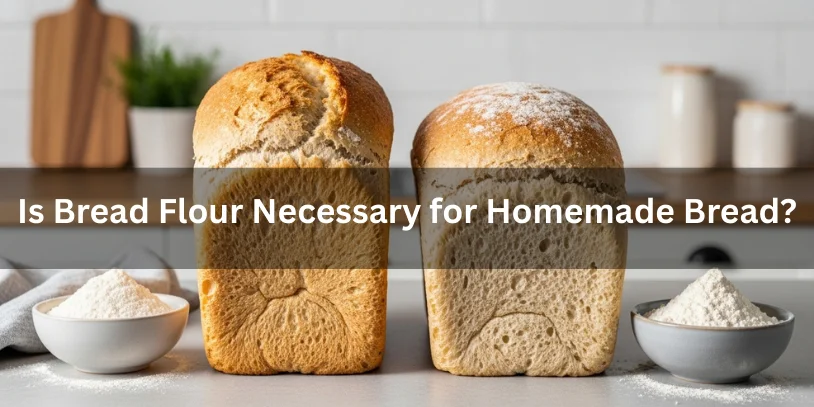
For most home bakers, no. Bread flour improves consistency and chew, but all-purpose flour produces good bread with proper handling.
Bread flour is a refinement, not a requirement.
Decision Guide: Which Flour Should You Use?
Ask yourself:
- Is chewiness critical to this recipe?
- Does the dough need to hold a tall shape?
- Is this for casual home eating or precise production?
Quick guide:
- Casual bread → All-purpose flour is fine
- Structured artisan loaf → Bread flour preferred
- Soft baked goods → All-purpose flour only
FAQs
Can beginners use all-purpose flour for bread?
Yes. It’s often easier to work with and more forgiving for learning.
What happens if I use bread flour for cookies?
They become chewier and slightly denser, which some people prefer.
How much gluten is in all-purpose flour?
Enough for bread, but less than bread flour. Exact amounts vary by brand and region.
Does protein content affect bread texture?
Yes. Higher protein increases chew and structure.
Is all-purpose flour strong enough for yeast bread?
For most home recipes, yes.
Why do some recipes insist on bread flour?
Consistency and structure matter more in professional baking.
Can I mix bread flour and all-purpose flour?
Yes. Many bakers blend them to balance structure and softness.
Conclusion
You can absolutely use all-purpose flour instead of bread flour in many bread recipes, especially at home. The key is understanding what changes—and adjusting technique rather than worrying about perfect substitution.
If your bread is meant to be soft, forgiving, and homemade, all-purpose flour works well. When structure, chew, and consistency are critical, bread flour earns its place. Knowing the difference puts you in control of the outcome rather than the ingredient list.