
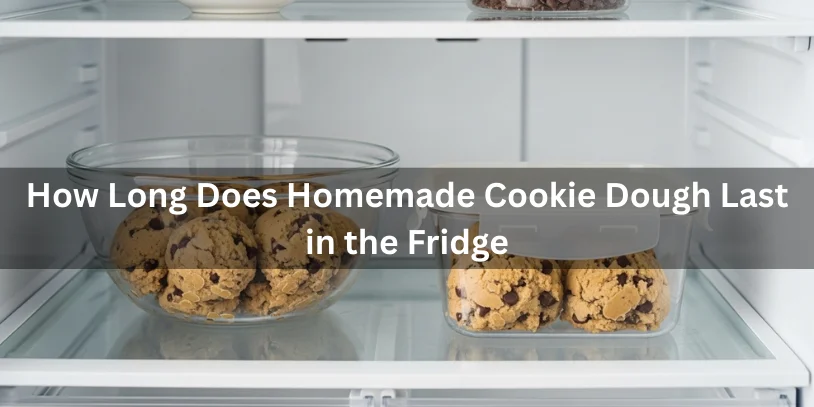
Homemade cookie dough may seem harmless—just butter, sugar, flour, eggs, and chocolate chips—but once it’s mixed, time matters. Many bakers and small food sellers ask: how long does cookie dough stay safe in the fridge? The answer depends on ingredients, temperature, and storage. This guide explains it all clearly, so you can bake and eat with confidence.
The Short, Clear Answer First
Homemade cookie dough lasts 2 to 4 days in the refrigerator when stored in an airtight container at 40°F (4°C) or colder. Dough containing raw eggs or dairy should be used closer to the 2–3 day mark. Egg-free dough may last up to 5 days, but quality declines quickly.
If you’re already past that window, freezing is safer than refrigerating longer.
Why Homemade Cookie Dough Has a Short Shelf Life

Homemade cookie dough is a time-temperature control (TCS) food. That means it can support bacterial growth if held too long at unsafe temperatures.
The main risk factors are:
- Raw eggs, which can carry Salmonella
- Untreated flour, a known source of E. coli
- Butter and dairy, which spoil faster once mixed
- No preservatives, unlike store-bought dough
Refrigeration slows bacteria, but it doesn’t stop it. That’s why time matters as much as temperature.
Refrigerator Shelf Life by Ingredient Type

Not all cookie dough is equal. Ingredients change how long it stays safe.
Dough With Raw Eggs (Most Classic Recipes)
- Safe fridge life: 2–3 days
- Highest food safety risk
- Should be baked or frozen quickly
Egg-Free Cookie Dough
- Safe fridge life: 4–5 days
- Lower Salmonella risk
- Still affected by raw flour
Dough With Cream Cheese or Milk
- Safe fridge life: 1–2 days
- Higher moisture increases spoilage
- Freezing is strongly recommended
Vegan or Dairy-Free Dough
- Safe fridge life: 3–4 days
- Fewer animal-based risks
- Still perishable
Cookie Dough in the Fridge for a Week, Two Weeks, or Three Weeks

This is where most confusion—and risk—happens.
Cookie Dough in the Fridge for a Week
Not recommended. Even if it looks fine, dough stored for 7 days exceeds safe storage limits. Baking does not reliably eliminate toxins produced by bacteria.
Cookie Dough in the Fridge for 2 Weeks
Unsafe. At this point, bacterial growth and fat oxidation are very likely. Texture, flavor, and safety are compromised.
Cookie Dough in the Fridge for 3 Weeks
Discard immediately. No food safety authority supports refrigerating raw dough this long, regardless of smell or appearance.
Can You Bake Old Cookie Dough to “Make It Safe”?

This is one of the most common questions.
Baking does kill many bacteria, but it does not neutralize all toxins that may form during improper storage. If dough has been refrigerated beyond safe limits, baking it does not make it safe.
If you wouldn’t serve it raw ingredients-wise, don’t bake it.
How Long Can Cookie Dough Stay Out of the Fridge?

Room temperature exposure matters, especially during prep.
- Below 70°F (21°C): Up to 2 hours
- Above 90°F (32°C): 1 hour maximum
After that, bacteria multiply quickly. Dough left out too long should be discarded, not refrigerated again.
Homemade vs Store-Bought Cookie Dough

Commercial dough behaves differently.
| Type of Dough | Fridge Life (Opened) |
|---|---|
| Homemade cookie dough | 2–4 days |
| Pillsbury cookie dough | 3–5 days |
| Unopened commercial dough | Until package date |
Store-bought dough uses pasteurized eggs, treated flour, and preservatives, which extend shelf life. Homemade dough does not.
How to Store Cookie Dough Properly in the Fridge
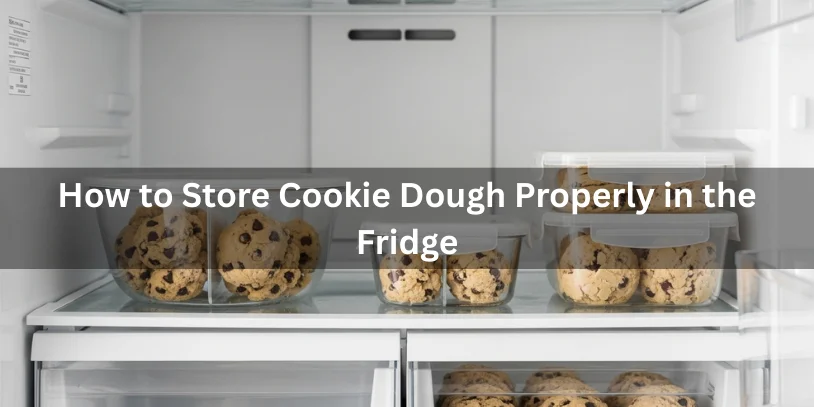
Correct storage can buy you time—but only a little.
Step-by-Step Storage Method
- Portion or flatten the dough to reduce air exposure
- Wrap tightly in plastic wrap
- Place in an airtight container
- Label with the preparation date
- Store in the coldest part of the fridge, not the door
Aim for a refrigerator temperature of 40°F (4°C) or lower. A basic food thermometer helps confirm this.
Signs Cookie Dough Has Gone Bad
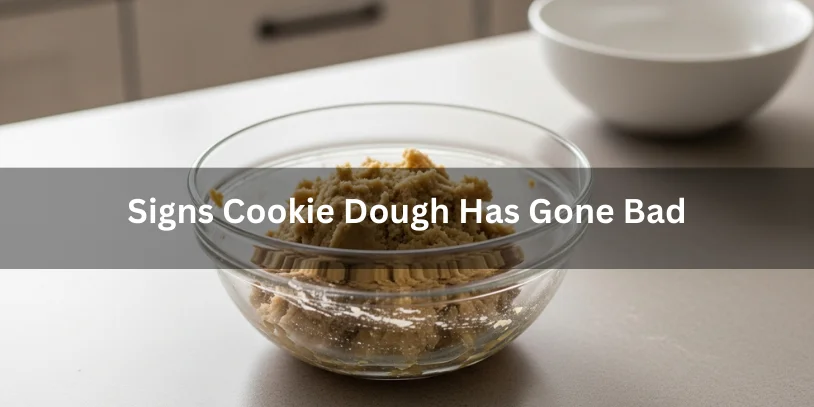
Never rely on smell alone. Still, these are clear warning signs:
- Sour, alcoholic, or “yeasty” odor
- Gray, green, or pink discoloration
- Sticky or slimy surface
- Visible mold
- Bitter or sharp taste (spit out immediately)
If any of these appear, discard the dough.
Food Safety Risks You Should Take Seriously

Raw cookie dough has been linked to foodborne illness outbreaks. The main concerns are:
- Salmonella from raw eggs
- E. coli from raw flour
- Higher risk for children, pregnant individuals, elderly adults
For small bakeries or home-based food sellers, selling improperly stored dough can also create legal and liability risks.
Fridge vs Freezer: Which Should You Use?

When deciding how to store cookie dough, ask one question: When will I bake this?
Use the Refrigerator If:
- Baking within 48–72 hours
- Dough contains delicate mix-ins
- You need soft dough quickly
Use the Freezer If:
- Storing longer than 3 days
- Batch baking or meal prep
- Selling or transporting dough later
Frozen cookie dough lasts 2 to 3 months when sealed properly, with minimal quality loss.
Freezing Cookie Dough the Right Way

Freezing isn’t just tossing dough into the freezer.
- Portion dough into balls or discs
- Freeze uncovered until firm
- Transfer to freezer bags or airtight containers
- Label with date and dough type
Bake from frozen by adding 1–2 minutes to bake time.
Common Storage Mistakes to Avoid
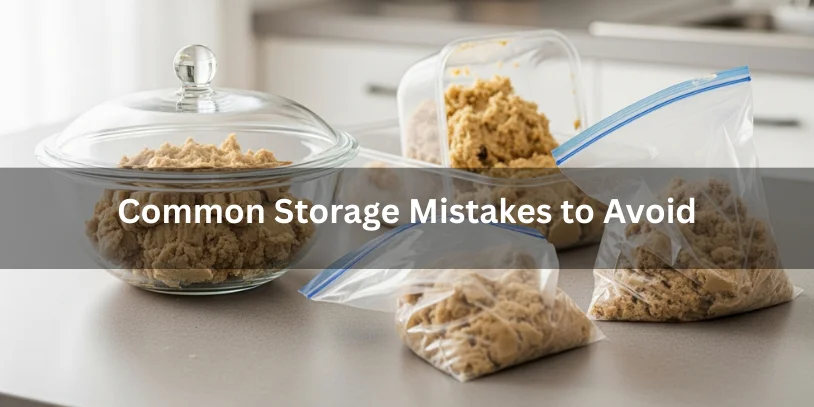
- Leaving dough uncovered in the fridge
- Storing near the fridge door
- Refrigerating too long instead of freezing
- Assuming sugar “preserves” dough
- Ignoring preparation dates
Sugar helps texture, not safety
A Simple Decision Guide
- Under 3 days refrigerated? Bake or freeze
- Over 4 days refrigerated? Discard
- Not baking this week? Freeze immediately
- Unsure about safety? Throw it out
When it comes to raw dough, caution saves more than it wastes.
FAQs
How long does homemade cookie dough last in the fridge after making it?
Typically 2–4 days when stored properly at 40°F or below.
Is cookie dough safe after 5 days in the fridge?
No. Five days exceeds recommended safety limits for raw dough.
Does eggless cookie dough last longer in the fridge?
Slightly. Egg-free dough may last up to 5 days, but quality declines quickly.
Can kids eat refrigerated cookie dough?
No. Raw flour and eggs pose higher risks for children.
Does cookie dough smell bad when spoiled?
Often yes, but not always. Lack of smell does not guarantee safety.
Can you refreeze cookie dough?
Yes, if it was thawed safely and shows no spoilage signs, though quality may drop.
Does freezing cookie dough change the texture?
Minimal change if frozen properly and baked within 2–3 months.
Conclusion
Homemade cookie dough is best treated as a short-term refrigerated food, not something to stretch for weeks. For most recipes, 2 to 4 days in the fridge is the safe window. Beyond that, freezing is the better choice—and when in doubt, discarding is the safest one.
Good baking starts with good storage. Keeping your dough safe protects flavor, health, and peace of mind.
Pingback: How Long Is Pillsbury Dough Good for After Expiration Date? (Complete Safety Guide) 2026 - DreamWhip Bakers
Pingback: Cream Cheese Stuffed Pretzels: What They Are, How They’re Made, and How to Choose the Best Option In 2026 - DreamWhip Bakers