
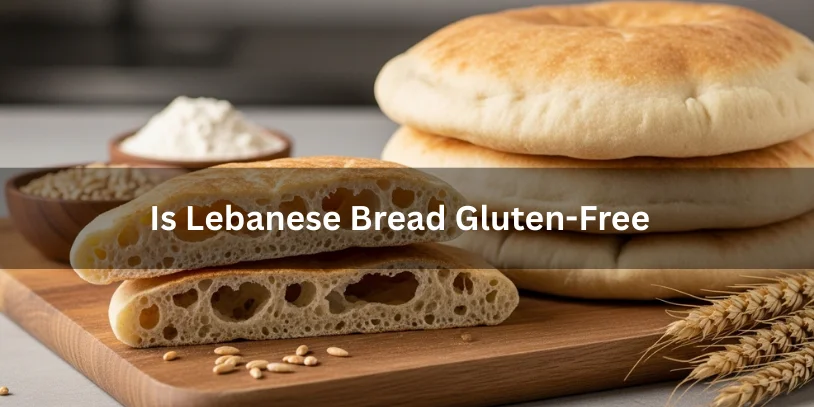
Is Lebanese Bread Gluten-Free? (Clear, Direct Answer)

No—traditional Lebanese bread is not gluten-free. It is typically made with wheat flour, which contains gluten. Anyone with celiac disease or gluten intolerance should avoid it unless the bread is specifically labeled and prepared as certified gluten-free.
That simple answer solves the main question. But if you eat Lebanese food often, travel, or dine out, the details behind that answer matter just as much. Understanding ingredients, cross-contamination risks, and safe alternatives can prevent accidental gluten exposure and help you enjoy Middle Eastern cuisine safely.
What Is Lebanese Bread?
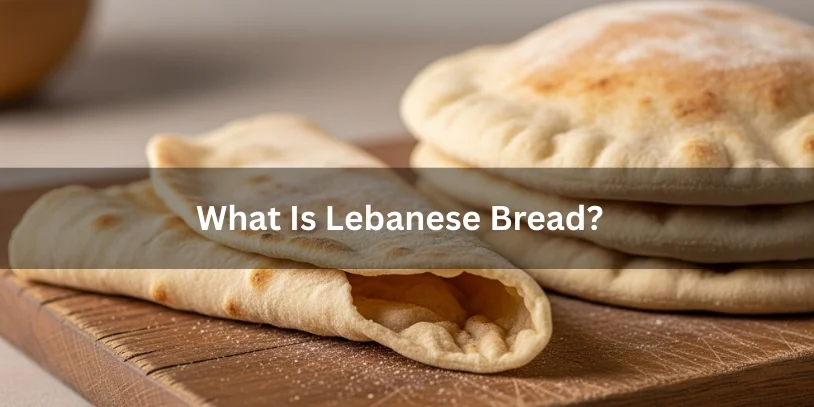
Lebanese bread—often called pita bread, Arabic bread, or khubz—is a soft, round flatbread that puffs up when baked, creating a pocket. It’s a staple across Lebanese and Middle Eastern cuisine, served with dishes like hummus, falafel, shawarma, and grilled meats.
Traditional characteristics include:
- Wheat-based dough
- Yeast-leavened
- High-heat baking method
- Soft texture with a hollow center
Because wheat flour is essential to this structure, gluten plays a key role in how the bread stretches, traps air, and forms a pocket.
Why Lebanese Bread Contains Gluten
Gluten is a group of proteins—mainly gliadin and glutenin—found naturally in wheat. These proteins give dough elasticity and strength.
In Lebanese bread, gluten is responsible for:
- The puffing effect during baking
- The chewy yet soft texture
- Structural integrity of the pocket
Without gluten, traditional Lebanese bread cannot be made in the same way. This is why standard bakery or restaurant versions are unsafe for celiac disease.
Ingredients Breakdown: Where the Risk Comes From

| Ingredient | Gluten Content | Safety for Celiac |
|---|---|---|
| Wheat flour | Contains gluten | Unsafe |
| Water | Gluten-free | Safe |
| Yeast | Gluten-free | Safe |
| Salt | Gluten-free | Safe |
The issue isn’t hidden ingredients—it’s the primary flour itself.
Lebanese Bread vs Pita vs Arabic Bread: Any Difference?
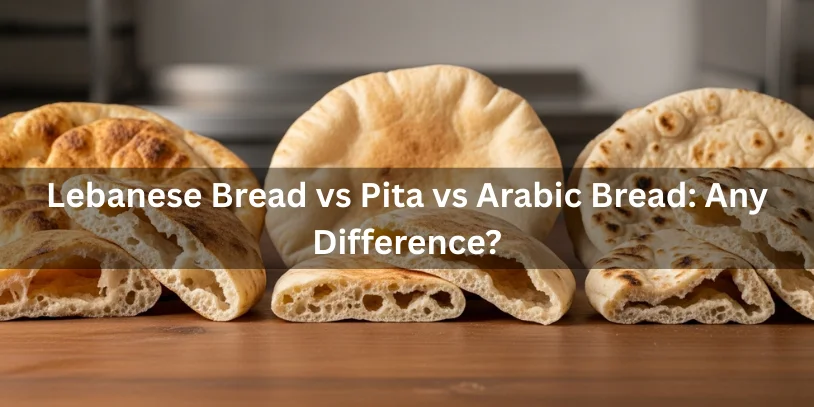
This is a common point of confusion.
- Lebanese bread
- Pita bread
- Arabic bread
- Khubz
All generally refer to the same wheat-based flatbread. Naming varies by region, not by ingredients. From a gluten perspective, they are treated the same.
Bottom line: If it’s traditional pita-style bread, it contains gluten.
Who Should Avoid Lebanese Bread Completely?
You should avoid traditional Lebanese bread if you are:
- Diagnosed with celiac disease
- Following a strict gluten-free diet
- Medically advised to avoid gluten due to autoimmune or digestive conditions
Even small amounts of gluten can trigger symptoms or intestinal damage for people with celiac disease. Gluten sensitivity may vary, but wheat-based flatbread still poses a risk.
Celiac Disease vs Gluten Intolerance: Why It Matters

Understanding the distinction helps with decision-making.
- Celiac disease is an autoimmune condition. Gluten causes immune damage to the small intestine—even without obvious symptoms.
- Gluten intolerance/sensitivity causes discomfort but not autoimmune damage.
For both groups, Lebanese bread made with wheat flour is unsafe. However, people with celiac disease must also consider cross-contamination, not just ingredients.
Cross-Contamination: The Hidden Risk
Even if a restaurant offers something described as “gluten-free,” Lebanese kitchens often:
- Use shared ovens
- Handle wheat dough on the same surfaces
- Bake bread directly on stone or metal surfaces
This makes cross-contact with gluten highly likely unless strict controls are in place.
High-risk environments include:
- Traditional Middle Eastern bakeries
- Shawarma shops with in-house bread baking
- Restaurants without gluten-free protocols
Is Lebanese Food Safe on a Gluten-Free Diet?

Yes—many Lebanese dishes are naturally gluten-free, but the bread is usually the problem.
Often gluten-free (verify preparation):
- Hummus
- Baba ghanoush
- Grilled meats (shish tawook, kebabs)
- Rice-based dishes
- Lentils, vegetables, salads (watch dressings)
Usually not gluten-free:
- Lebanese bread / pita
- Falafel (often contains wheat flour)
- Fried items (shared oil)
How to Eat at Lebanese Restaurants Safely
If you’re searching for “gluten-free Lebanese food near me”, use a safety-first approach.
Ask these questions clearly:
- Is this dish prepared without wheat or flour?
- Is there a separate preparation area for gluten-free food?
- Are bread and gluten-free items baked in the same oven?
- Are sauces thickened with flour?
If staff cannot answer confidently, it’s safer to skip the bread entirely.
“Wheat-Free” vs “Gluten-Free”: Not the Same

One of the most common labeling mistakes:
- Wheat-free means no wheat—but gluten can still be present from barley or rye.
- Gluten-free means the product meets regulated standards for gluten content.
For celiac disease, only clearly labeled gluten-free products are considered safe.
Gluten-Free Alternatives to Lebanese Bread
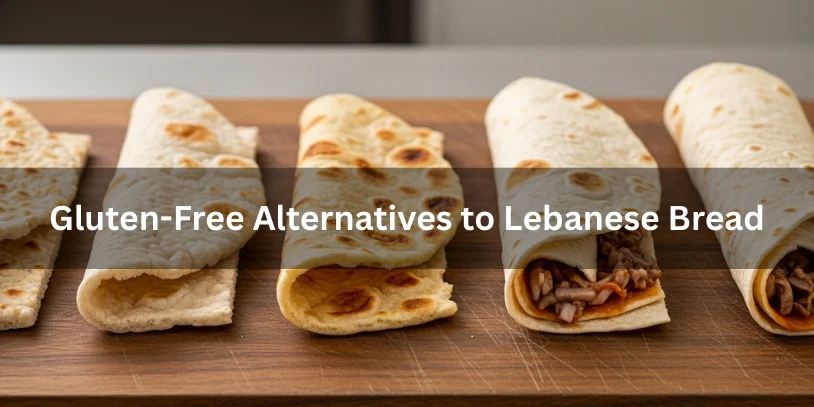
While traditional Lebanese bread isn’t gluten-free, there are alternatives that work well with Middle Eastern dishes.
Store-Bought Options
- Certified gluten-free pita-style flatbreads
- Rice-based or corn-based wraps
- Gluten-free tortillas used as substitutes
Always check packaging for certification and allergen statements.
Homemade Gluten-Free Lebanese-Style Flatbread
Many recipes use:
- Rice flour or sorghum flour
- Chickpea flour (besan)
- Psyllium husk or xanthan gum for structure
Texture won’t be identical, but these options allow gluten-free diners to enjoy similar meals safely.
Lebanese Bread vs Gluten-Free Flatbread (Quick Comparison)
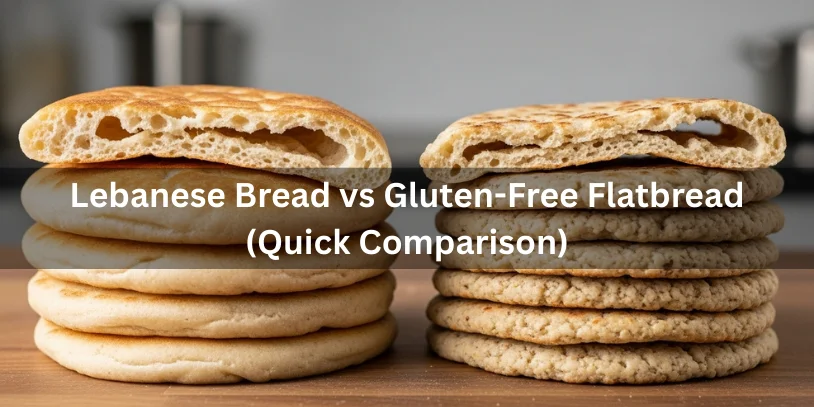
| Feature | Traditional Lebanese Bread | Gluten-Free Flatbread |
|---|---|---|
| Contains wheat | Yes | No |
| Gluten-free | No | Yes |
| Safe for celiac | No | Yes |
| Traditional texture | High | Moderate |
| Restaurant availability | Very common | Limited |
Travel & Global Dining Considerations
Across many countries, Lebanese restaurants use similar traditional methods. While gluten-free awareness is improving globally, bread is rarely safe by default.
In larger cities, you may find:
- Health-focused Middle Eastern restaurants
- Gluten-free bakeries offering pita alternatives
- Grocery stores selling certified gluten-free flatbreads
Still, always verify—especially when traveling.
Decision Guide: Should You Eat Lebanese Bread?
Avoid Lebanese bread if:
- You have celiac disease
- You are strictly gluten-free
- Preparation conditions are unclear
Consider alternatives if:
- You want to enjoy Lebanese flavors safely
- You are dining out and need gluten-free options
- You’re cooking at home and can control ingredients
When unsure, skip the bread and focus on naturally gluten-free dishes.
FAQs
Is Lebanese bread gluten-free by default?
No. Traditional Lebanese bread is made with wheat flour and contains gluten.
Is pita bread gluten-free or wheat-based?
Pita bread is wheat-based and contains gluten unless specifically made gluten-free.
Can people with celiac disease eat Lebanese food?
Yes, but they must avoid bread and confirm preparation methods to prevent cross-contamination.
Is Arabic bread different from Lebanese bread?
They are essentially the same type of wheat-based flatbread from a gluten perspective.
Are all flatbreads unsafe for gluten-free diets?
No. Some flatbreads are made from rice, corn, or chickpea flour and are gluten-free.
Does Lebanese bread contain barley or rye?
Usually no, but wheat alone makes it unsafe for gluten-free diets.
What is the safest bread substitute at Lebanese restaurants?
Certified gluten-free flatbreads brought from home or naturally gluten-free sides instead of bread.
Conclusion
Lebanese bread is not gluten-free. It is traditionally made with wheat flour and should be avoided by anyone with celiac disease or gluten intolerance unless clearly labeled and prepared as gluten-free.
The good news is that Lebanese cuisine offers many naturally gluten-free dishes, and certified gluten-free flatbread alternatives are increasingly available. With informed choices and clear questions, you can enjoy the flavors of Middle Eastern food while staying safe and gluten-free.