
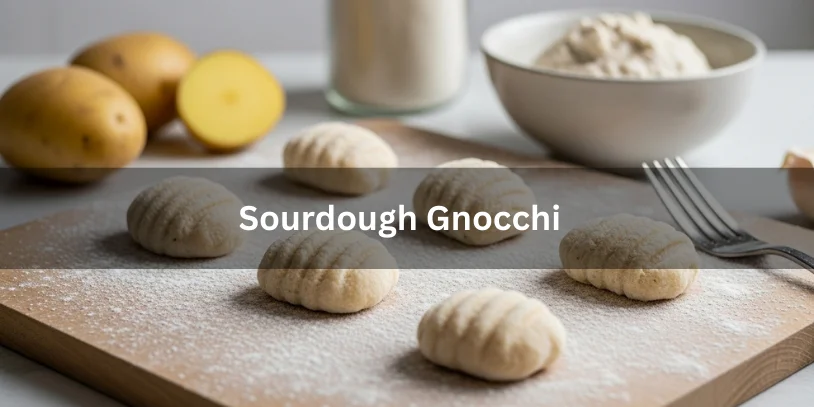
What Is Sourdough Gnocchi?
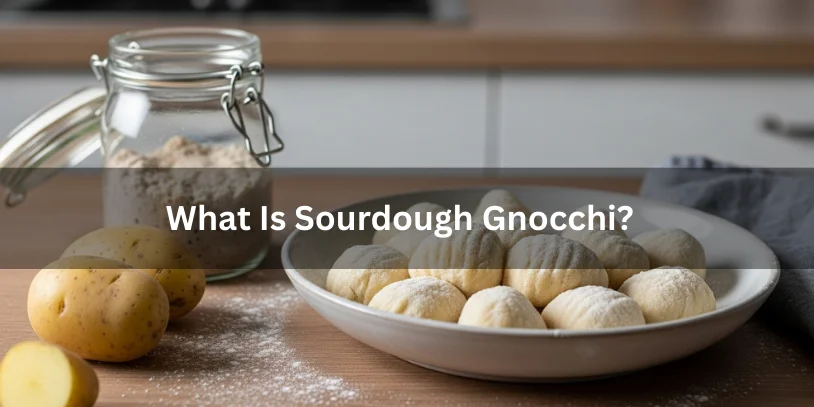
Sourdough gnocchi is a fermented version of traditional Italian gnocchi made with sourdough starter instead of relying solely on flour, eggs, or commercial leavening. The starter introduces wild yeast and lactic acid bacteria, subtly transforming flavor, texture, and dough behavior.
Unlike bread, gnocchi does not rise. Fermentation here is about flavor development, gluten modification, and moisture control, not volume. When done correctly, sourdough gnocchi is light, tender, and aromatic rather than dense or sour.
At its core, it’s a meeting point between artisan pasta making and fermentation science.
How Sourdough Gnocchi Differs from Traditional Gnocchi
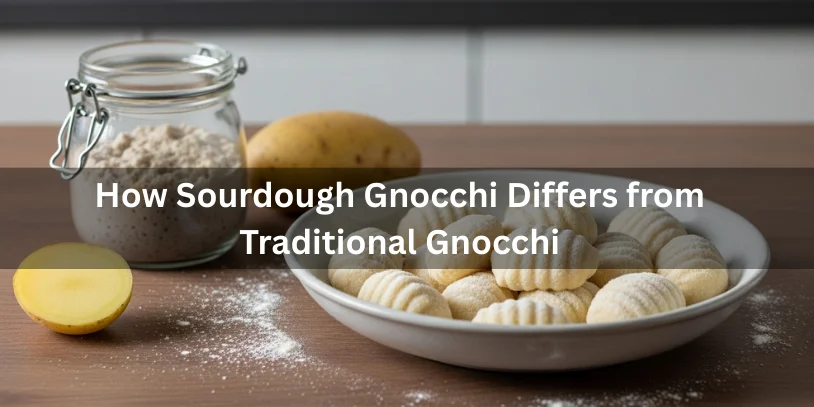
Traditional gnocchi relies on starch (usually potato starch), minimal flour, and gentle handling to stay light. Sourdough gnocchi keeps the same goal but changes how the dough behaves.
Key differences include:
- Flavor: Mild tang and depth from lactic acid fermentation
- Texture: More elastic dough when properly hydrated
- Digestibility: Fermentation partially breaks down starches and gluten
- Flexibility: Can be made egg-free or with sourdough discard
Fermentation is short and controlled. Long fermentation, common in bread, is a mistake here and leads to collapse during cooking.
Why Fermentation Matters in Gnocchi
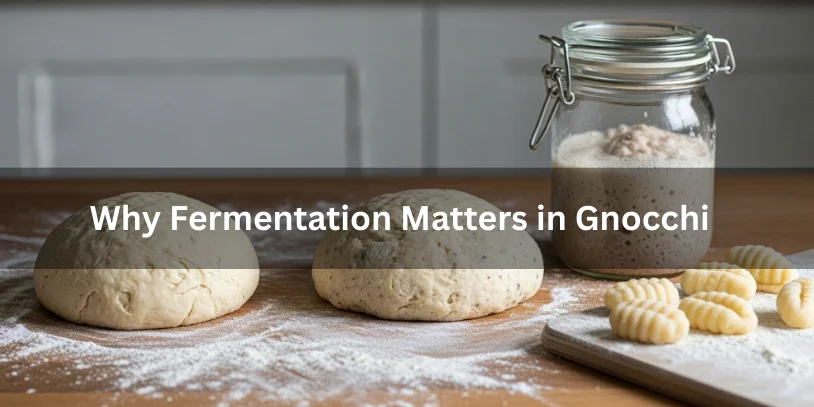
Fermentation introduces biochemical changes even over a few hours.
- Lactic acid bacteria increase acidity, strengthening dough structure
- Wild yeast activity improves extensibility without puffing
- Enzymes gently modify starch and gluten
The result is gnocchi that holds its shape during boiling but stays tender inside.
This is why sourdough gnocchi can feel lighter than heavily floured traditional versions, even without eggs.
Who Sourdough Gnocchi Is For
Sourdough gnocchi works especially well for:
- Home sourdough bakers looking beyond bread
- Cooks with excess sourdough discard
- Pasta lovers seeking deeper flavor
- Small restaurants and artisan kitchens exploring fermented pasta
It’s less ideal for rushed cooking or high-volume production without process control.
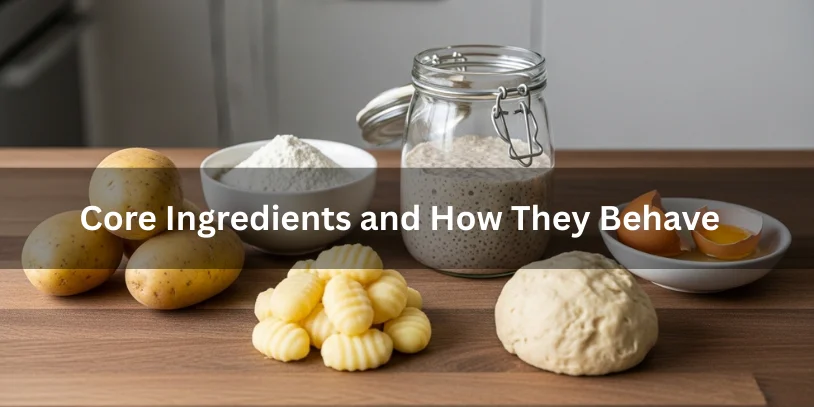
Core Ingredients and How They Behave
Sourdough Starter
- Active starter gives mild tang and structure
- Discard works but produces less elasticity
- Hydration level directly affects dough stickiness
Potatoes or Ricotta
- Potatoes add starch and fluffiness
- Ricotta creates lighter, quicker gnocchi
- Excess moisture is the #1 cause of failure
Flour
- Low to medium protein flour works best
- Too much flour leads to dense gnocchi
Salt
- Essential for flavor and fermentation balance
Sourdough Gnocchi Dough: Texture Decision Framework
Use this logic while mixing:
- Too sticky to shape: Starter too wet or potatoes too moist
- Cracks when rolled: Dough too dry or under-hydrated
- Gnocchi dissolve in water: Over-fermented or too little flour
- Gummy interior: Excess kneading or too much flour
The goal is a dough that feels soft but holds its form when cut.
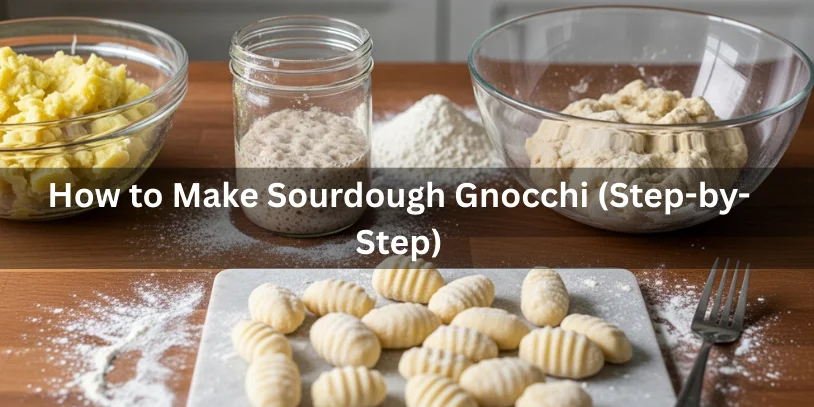
How to Make Sourdough Gnocchi (Step-by-Step)
1. Prepare the Base
Cook potatoes whole with skins on. Peel and rice while hot to release steam. For ricotta versions, drain overnight.
2. Mix the Dough
Combine potatoes or ricotta with sourdough starter, salt, and minimal flour. Mix gently—no kneading.
3. Short Fermentation
Cover and rest at room temperature for 4–8 hours. This window allows flavor development without structural breakdown.
4. Shape
Divide dough, roll into ropes, cut into pillows. Optional ridging improves sauce adhesion.
5. Cook
Boil in salted water. Gnocchi are done when they float and remain afloat for 10–15 seconds.
Why Gnocchi Sometimes Fall Apart
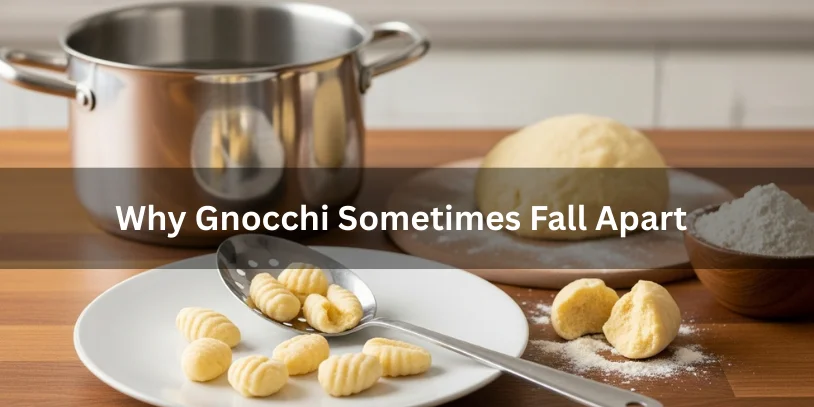
This is the most common complaint and nearly always comes down to one issue:
Over-fermentation or excess moisture.
Other contributors include:
- Wet potatoes
- Too little flour
- Aggressive boiling
- Weak dough structure
Sourdough gnocchi rewards restraint more than patience.
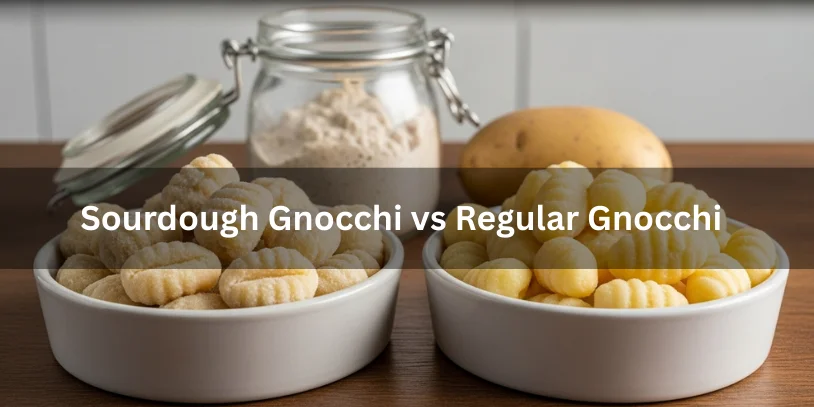
Sourdough Gnocchi vs Regular Gnocchi
| Aspect | Traditional Gnocchi | Sourdough Gnocchi |
|---|---|---|
| Flavor | Neutral | Mildly tangy |
| Dough behavior | Fragile | More elastic |
| Digestibility | Standard | Potentially improved |
| Skill required | Beginner-friendly | Intermediate |
Using Sourdough Discard in Gnocchi
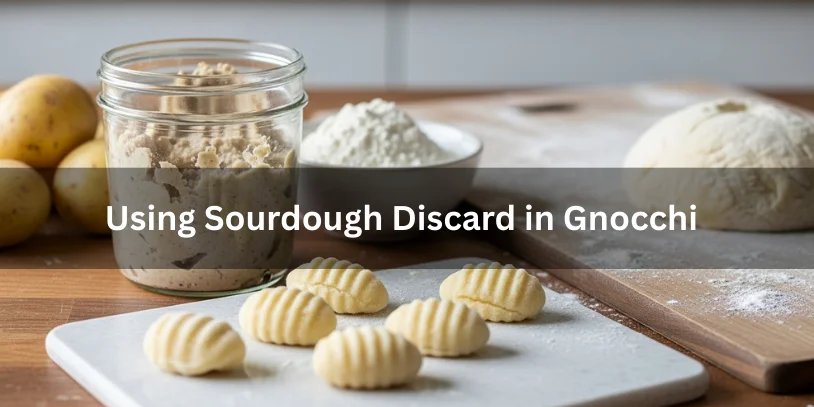
Yes, sourdough discard works well, especially if it’s fresh and not overly acidic.
Best practices:
- Use discard within 5–7 days
- Reduce added liquid
- Shorten fermentation to 2–4 hours
Discard gnocchi tends to be milder and slightly denser, which many people prefer.
Egg-Free and Vegan Sourdough Gnocchi
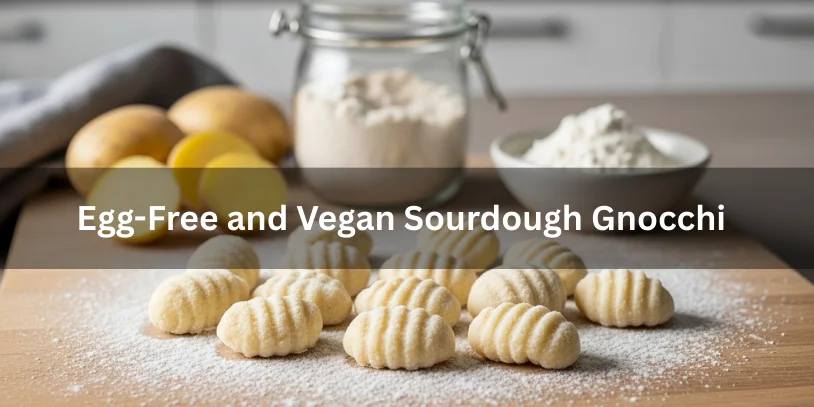
Sourdough starter can replace eggs by contributing structure and moisture.
Egg-free versions:
- Work best with potatoes
- Require careful hydration
- Benefit from gentle shaping
They’re ideal for plant-based cooking without sacrificing texture.
Flavor Control: Will It Taste Sour?
Properly fermented sourdough gnocchi does not taste sharply sour.
Sourness increases when:
- Starter is overly acidic
- Fermentation exceeds 10 hours
- Dough is warm for too long
Keeping fermentation short preserves balance.
Cooking Signals That Matter
Ignore the clock. Watch the gnocchi.
- Floating = cooked
- Staying afloat = ready
- Breaking apart = dough issue
Taste one before draining the batch.
Freezing and Storage
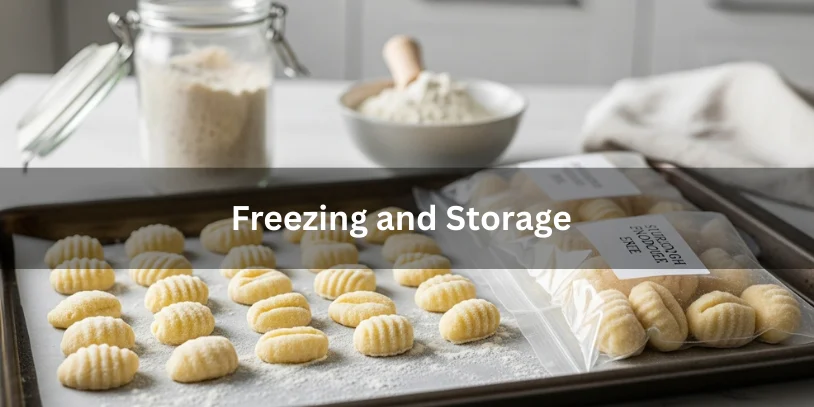
Sourdough gnocchi freezes exceptionally well.
- Freeze uncooked gnocchi on trays
- Transfer to airtight containers
- Cook directly from frozen
Best used within 2–3 months.
Buying vs Making Sourdough Gnocchi
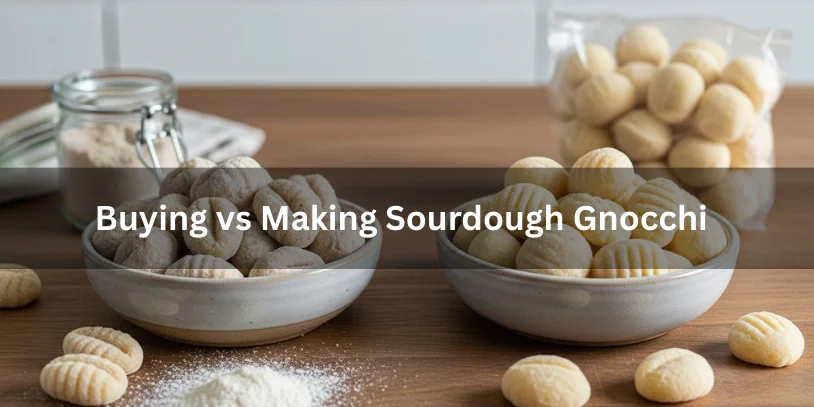
Make It Yourself If:
- You already maintain a starter
- You want control over flavor and texture
- You enjoy hands-on cooking
Buy It If:
- Sourced from artisan pasta makers
- Labeled as handmade or fermented
- Sold fresh or frozen, not shelf-stable
Specialty Italian markets and sourdough bakeries are the most reliable sources.
Professional Kitchen Considerations
For restaurants and small producers:
- Keep fermentation short and consistent
- Standardize starter hydration
- Freeze shaped gnocchi for service
Scaling requires precision, not longer fermentation.
FAQs
Is sourdough gnocchi healthier than regular gnocchi?
Fermentation may improve digestibility, but nutritional differences are modest.
Does sourdough gnocchi taste sour?
Not when properly fermented. Flavor should be subtle and balanced.
Can beginners make sourdough gnocchi?
Yes, especially with potato-based dough and short fermentation.
How long should sourdough gnocchi ferment?
Typically 4–8 hours. Longer fermentation risks breakdown.
Can I use sourdough discard instead of active starter?
Yes, with shorter fermentation and moisture control.
Why is my sourdough gnocchi gummy?
Usually from too much flour or overworking the dough.
Can sourdough gnocchi be frozen?
Yes. Freeze uncooked and boil directly from frozen.
Conclusion
Sourdough gnocchi combines the soul of Italian dumplings with the depth of fermentation. When handled gently and fermented briefly, it delivers light texture, nuanced flavor, and impressive versatility. Whether you’re using active starter or discard, success comes from moisture control, restraint, and understanding how fermentation behaves outside of bread. Done right, it’s one of the most rewarding ways to use sourdough beyond the loaf.