

Cream cheese–stuffed pretzels have grown from a novelty snack to a staple in bakeries, cafés, frozen aisles, and home kitchens. Part comfort food, part bakery craft, part convenience snack, they spark curiosity for good reason. This guide explains what they are, how they’re made, why filling stability can be tricky, differences between sweet and savory versions, and when to choose homemade, bakery-fresh, or frozen—helpful for snack lovers, home bakers, and foodservice pros alike.
What Are Cream Cheese Stuffed Pretzels?

Cream cheese stuffed pretzels are soft or baked pretzels filled with a cream cheese-based filling. The filling can be plain, sweetened, or savory, and it’s enclosed inside pretzel dough before baking—or sometimes injected after baking, depending on the method.
The defining characteristics are:
- Soft, chewy pretzel dough made with yeast fermentation
- Cream cheese filling that adds richness and moisture
- A golden crust created using an alkaline bath (usually baking soda)
- A balance of salt, fat, and carbs that makes them deeply satisfying
They’re commonly served as snacks, desserts, or appetizers and are found in bakeries, cafés, stadium concessions, and frozen food sections.
Why Cream Cheese Stuffed Pretzels Are So Popular

Their popularity isn’t accidental. From a food science and consumer standpoint, cream cheese stuffed pretzels hit several important notes at once.
Texture Contrast
The contrast between a chewy pretzel exterior and a creamy interior creates a more interesting bite than standard pretzels or breadsticks.
Flavor Balance
Cream cheese provides fat and mild acidity, which balances salt and prevents the snack from tasting flat—whether it’s sweet or savory.
Versatility
They work equally well as:
- A breakfast pastry
- An afternoon snack
- A shareable appetizer
- A dessert alternative
Convenience Factor
They reheat well when made correctly, making them ideal for frozen snack formats and foodservice operations.
Who Cream Cheese Stuffed Pretzels Are For

These pretzels appeal to a wide audience, but the reasons differ depending on use case.
For Consumers
- People looking for a more filling snack than plain pretzels
- Fans of cream cheese flavors (savory or sweet)
- Home bakers experimenting with filled dough
For Bakeries & Food Businesses
- Cafés wanting a high-margin baked item
- Bakeries expanding beyond standard pretzels
- Frozen food brands targeting comfort snacks
- Event caterers needing easy-to-serve items
Their broad appeal is one reason they continue to grow as a category rather than a passing trend.
Types of Cream Cheese Stuffed Pretzels
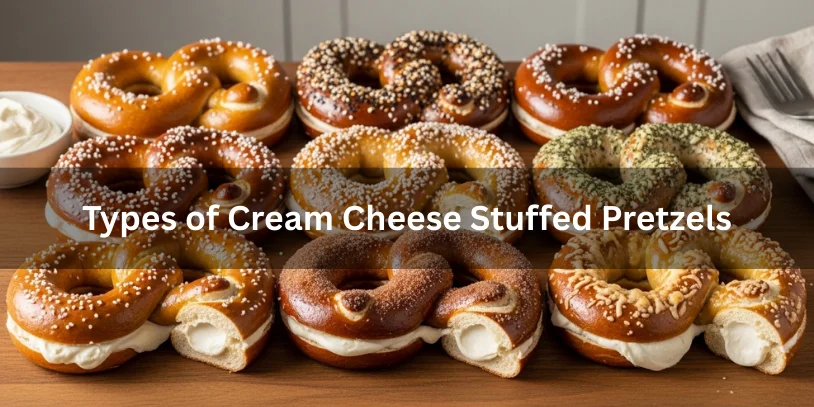
Not all cream cheese stuffed pretzels are the same. They differ by flavor profile, size, and production method.
Sweet Variations
Sweet versions often resemble dessert pastries.
Common examples include:
- Cinnamon sugar cream cheese
- Chocolate cream cheese
- Vanilla or cheesecake-style fillings
These are typically finished with powdered sugar, glaze, or a light sugar coating.
Savory Variations
Savory options are often more popular for snacks and foodservice.
Popular choices include:
- Plain cream cheese with sea salt
- Garlic and herb cream cheese
- Jalapeño or spiced cream cheese
Savory versions pair well with dipping sauces and tend to have broader appeal across age groups.
Bite-Sized vs Full-Size
- Pretzel bites: Easier to share, faster reheating
- Full-size pretzels: More filling, higher perceived value
How Cream Cheese Stuffed Pretzels Are Made

While variations exist, most follow the same core process.
Basic Production Process
- Prepare pretzel dough using yeast fermentation
- Portion and flatten the dough
- Add cream cheese filling to the center
- Seal the dough completely to prevent leaks
- Dip briefly in an alkaline bath (baking soda solution)
- Bake until golden brown
The alkaline bath is what gives pretzels their distinctive flavor and color. Skipping it often results in bread-like texture instead of true pretzel character.
Why Filling Leaks Happen
Leakage is one of the most common complaints and usually comes down to:
- Overfilling
- Thin dough around seams
- Poor sealing technique
- Overheating during baking or reheating
Homemade vs Bakery vs Frozen: How to Choose
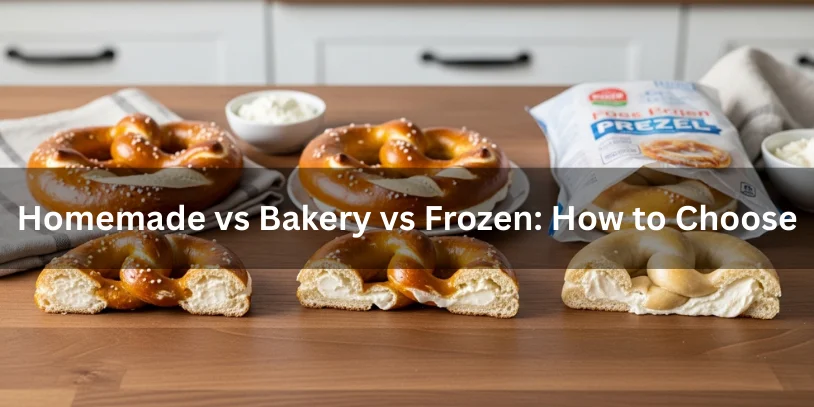
Each option has trade-offs. The “best” choice depends on your priorities.
| Option | Best For | Advantages | Drawbacks |
|---|---|---|---|
| Homemade | Control & customization | Fresh, adjustable flavors | Time-intensive |
| Bakery | Quality & balance | Professional texture | Limited shelf life |
| Frozen | Convenience & scale | Easy storage | Texture varies |
Quick Decision Guide
- Want control and creativity? Homemade
- Want best texture with minimal effort? Bakery
- Want convenience or bulk serving? Frozen
Ingredient Quality and Why It Matters

Not all cream cheese fillings are equal.
Cream Cheese vs Cheese Spread
- Real cream cheese offers better flavor and melt control
- Processed cheese spreads are more stable but less flavorful
Dough Hydration
Higher hydration doughs stay softer but can increase leakage risk if sealing isn’t strong.
Stabilizers
In frozen products, stabilizers help maintain structure during reheating, but too many can affect taste.
Storage, Shelf Life, and Food Safety
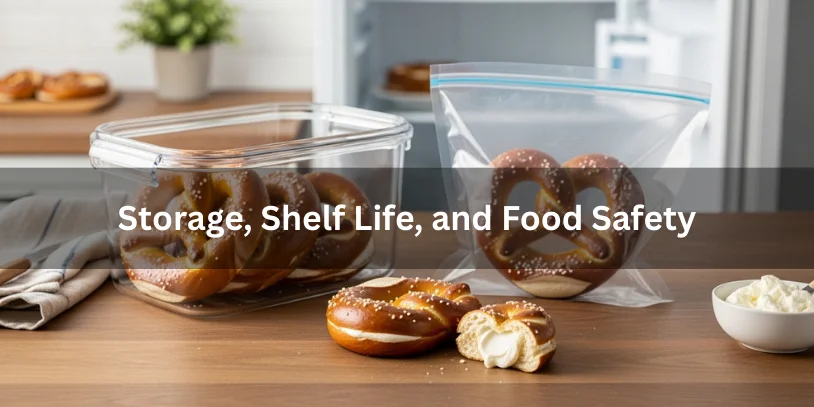
Because cream cheese is a dairy product, storage matters.
Refrigeration
- Fresh pretzels: 2–3 days refrigerated
- Bakery items should always be chilled if not consumed same day
Freezing
- Freeze fully cooled pretzels
- Best quality within 1–2 months
Reheating Safely
- Oven or air fryer works best
- Avoid microwaving if possible—it can cause filling separation
Always store below recommended refrigeration temperatures to maintain safety and texture.
How to Reheat Without Drying or Leaking

Reheating mistakes ruin more stuffed pretzels than bad recipes.
Best Methods
- Oven: Restores crust without overheating filling
- Air fryer: Quick, even heat, minimal sogginess
What to Avoid
- High microwave power
- Direct high heat from frozen without thawing
A slower reheat preserves both dough texture and cream cheese consistency.
Common Mistakes to Avoid
Even experienced bakers and buyers run into these issues.
- Overfilling the pretzel
- Not sealing seams completely
- Reheating at too high a temperature
- Assuming all frozen versions reheat the same
- Treating sweet and savory versions identically
Understanding these pitfalls saves time, money, and frustration.
Cream Cheese Stuffed Pretzels vs Similar Snacks

They’re often confused with other filled dough snacks.
Pretzels vs Bagels
- Pretzels use alkaline treatment; bagels are boiled differently
- Pretzels are salt-forward; bagels lean neutral
Pretzels vs Breadsticks
- Pretzels have chew and crust complexity
- Breadsticks are drier and less filling
Cream cheese stuffed pretzels sit firmly in the “snack-meal hybrid” category.
Buying Tips: What to Look For
When choosing ready-made options, look for:
- Even dough thickness
- Fully enclosed filling
- No visible cracks or leaks
- Clear ingredient labeling
A well-made pretzel should feel balanced, not heavy or greasy.
Are Cream Cheese Stuffed Pretzels Worth It?
For most people, yes—when quality is high.
They offer:
- Better satiety than plain pretzels
- More flavor than basic baked snacks
- Flexible use across meals and events
The key is choosing the right format and handling them properly.
FAQs
Are cream cheese stuffed pretzels sweet or savory?
They can be either. Sweet versions use flavored or sweetened cream cheese, while savory versions focus on herbs, spices, or plain fillings.
Do cream cheese stuffed pretzels need refrigeration?
Yes. Because cream cheese is dairy-based, they should be refrigerated if not eaten shortly after baking.
Can you freeze cream cheese stuffed pretzels?
Yes, they freeze well when sealed properly and reheated gently.
Can you air fry stuffed pretzels?
Yes. Air frying is one of the best reheating methods for maintaining texture.
How long do cream cheese stuffed pretzels last?
Fresh versions last 2–3 days refrigerated. Frozen versions keep longer but are best used within two months.
Why does the filling leak out?
Leakage usually happens due to overfilling, weak sealing, or overheating during baking or reheating.
Are they considered a snack or a dessert?
Both. Savory versions lean snack or appetizer, while sweet versions often replace dessert pastries.
Conclusion
Cream cheese stuffed pretzels are more than a novelty—they’re a versatile, satisfying snack that bridges bakery craft and everyday convenience. When made well, they offer balanced flavor, appealing texture, and flexibility across sweet and savory formats.
Whether you’re baking at home, buying from a bakery, or choosing frozen options, understanding how they’re made, stored, and reheated makes all the difference. With the right choices, cream cheese stuffed pretzels easily earn their place as a go-to comfort food that actually delivers.