
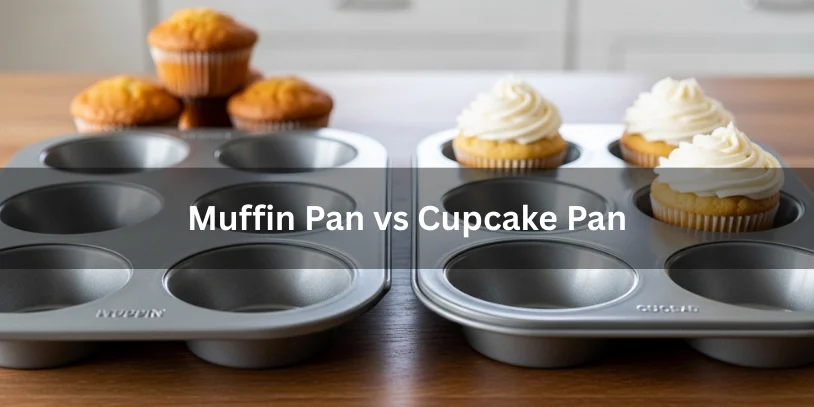
At first glance, muffin pans and cupcake pans look nearly identical, so many bakers assume the results will be the same. In reality, that assumption leads to overflowing cupcakes, flat muffins, uneven baking, and wasted batter. The difference isn’t marketing—it’s engineering. Cup size, depth, volume, and heat all affect rise and texture. This guide explains the real differences, when substitutions work, and how to choose the right pan with confidence.
What Is a Muffin Pan?
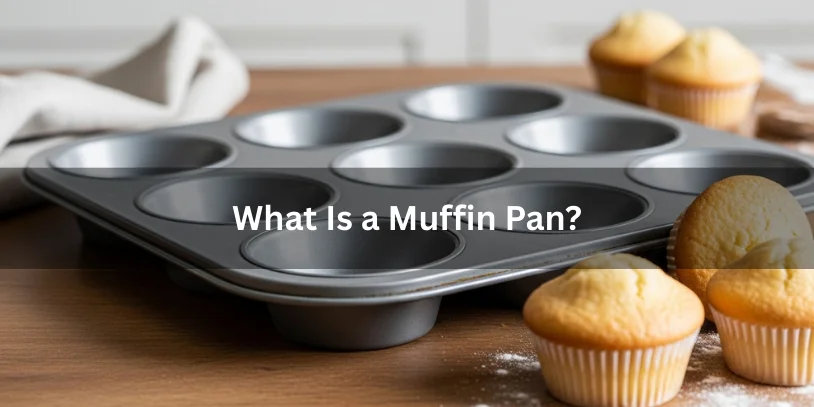
A muffin pan (also called a muffin tin) is designed for larger, denser baked goods that rely on structure rather than decoration.
Typical characteristics
- Deeper cups
- Larger capacity per cavity
- Straighter or slightly flared walls
- Built for hearty batters
Approximate cup volume
- 120–150 ml (4–5 oz) per cavity
Common uses
- Breakfast muffins (blueberry, bran, banana)
- Savory muffins (cheese, egg, vegetable)
- Cornbread portions
- Mini quiches and frittatas
Muffins usually contain thicker batter, inclusions like fruit or nuts, and less sugar. The deeper well allows the batter to rise upward, creating the familiar domed top without collapsing.
What Is a Cupcake Pan?
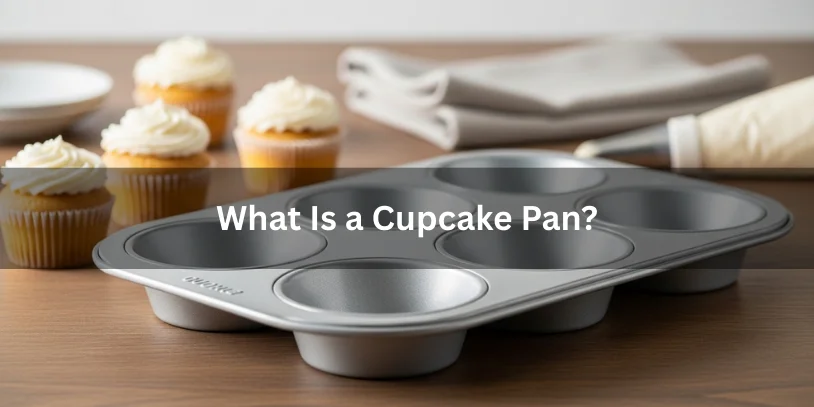
A cupcake pan is designed for light, cake-style batters and consistent presentation.
Typical characteristics
- Shallower cups
- Standardized diameter
- Slightly tapered sides
- Optimized for liners and frosting
Approximate cup volume
- 80–100 ml (3–3.5 oz) per cavity
Common uses
- Cupcakes
- Mini cakes
- Individual desserts
Cupcakes depend on even heat exposure, predictable rise, and uniform sizing. This consistency matters for frosting, portion control, and presentation—especially in professional settings.
Muffin Pan vs Cupcake Pan: Side-by-Side Comparison
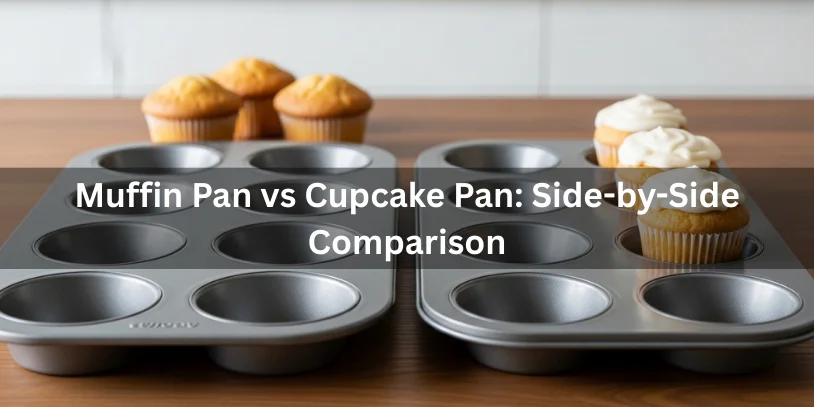
| Feature | Muffin Pan | Cupcake Pan |
|---|---|---|
| Cup depth | Deeper | Shallower |
| Cup volume | Larger (4–5 oz) | Standard (3–3.5 oz) |
| Batter type | Dense, chunky | Light, smooth |
| Rise pattern | Tall, domed | Even, level |
| Frosting space | Limited | Ideal |
| Liner compatibility | Jumbo or specialty | Standard cupcake liners |
| Typical use | Breakfast & savory | Desserts |
This difference in volume and depth is the single most important factor affecting baking results.
Why Pan Size and Depth Change Baking Results
Batter Density and Rise
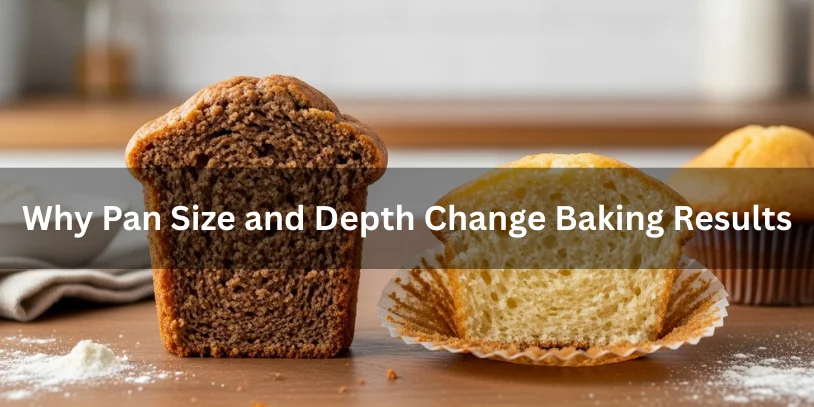
Dense batters need vertical space to rise without spreading outward. Muffin pans provide that structure. Cupcake batters are thinner and rely on air incorporation, which performs best in shallower cups.
Heat Distribution
Deeper pans retain heat longer at the center. This is ideal for muffins but can overbake cupcake edges before the center sets. Shallower cupcake pans allow faster, more even heat penetration.
Texture and Crumb
- Muffin pans produce a coarser, heartier crumb
- Cupcake pans promote a finer, cake-like texture
This isn’t subjective—it’s physics.
Are Muffin Pans and Cupcake Pans the Same?
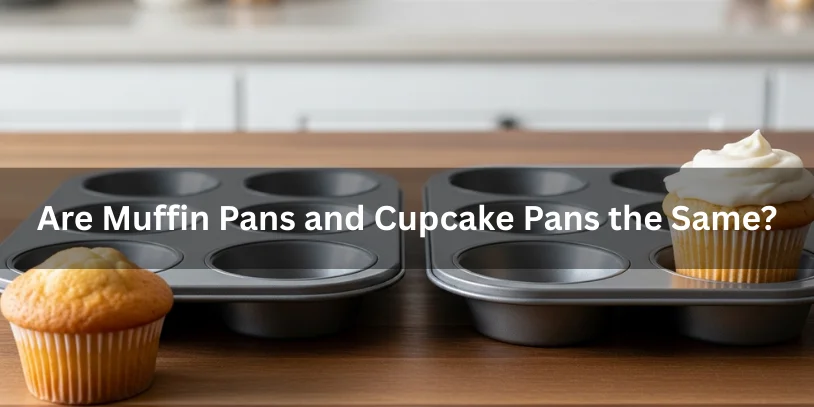
No. They are similar tools with different purposes.
While they may appear interchangeable, the difference in capacity alone is enough to change:
- Bake time
- Moisture retention
- Rise height
- Final texture
Using the wrong pan doesn’t ruin every recipe, but it does make results unpredictable.
Can You Use a Muffin Pan for Cupcakes?
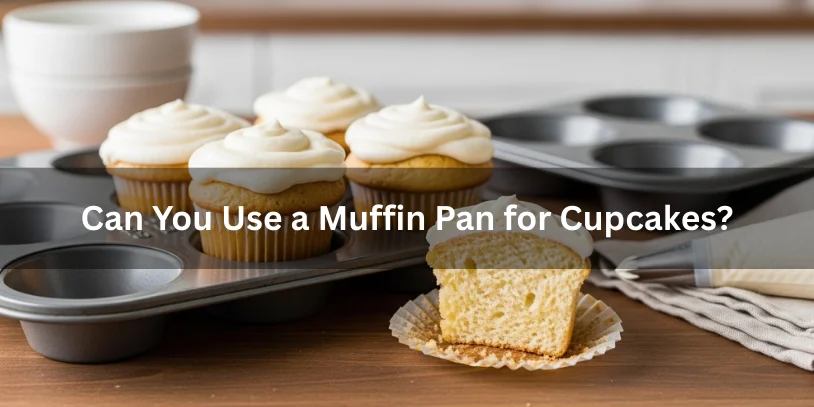
Yes, but with adjustments.
What to expect
- Larger cupcakes
- Wider tops
- Longer bake time
- Less frosting-friendly shape
How to adjust
- Fill cups only halfway
- Reduce oven temperature slightly
- Extend bake time and test early
Cupcakes baked in muffin pans often look more rustic and less uniform, which may be fine for casual baking but not ideal for presentation or sales.
Can You Use a Cupcake Pan for Muffins?
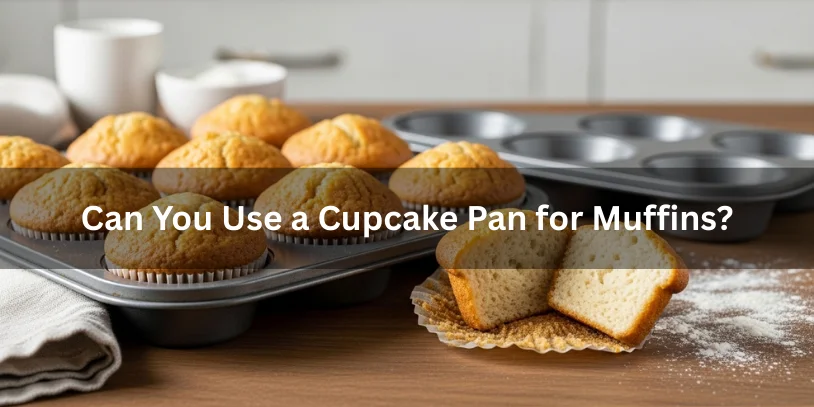
Yes, with limits.
What to expect
- Smaller muffins
- Faster baking
- Less domed tops
Risks
- Overflow if overfilled
- Dry texture if not monitored
- Loss of traditional muffin appearance
This substitution works best for lighter muffins or when portion control matters.
How to Adjust Baking When Switching Pans
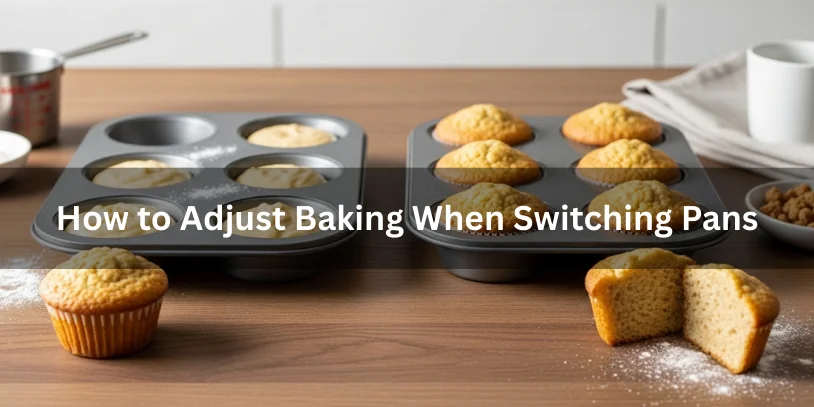
When substituting one pan for another, small changes make a big difference.
Step-by-step adjustment guide
- Adjust fill level
- Muffin pan: fill ⅔ to ¾ full
- Cupcake pan: fill ½ to ⅔ full
- Watch oven temperature
- If downsizing cups, reduce temperature slightly
- If upsizing, expect longer bake time
- Check doneness early
- Start checking 5–8 minutes before recipe time
- Test properly
- Toothpick should come out clean
- Internal texture should feel set, not wet
Materials Matter More Than You Think
The pan material affects heat conduction and consistency.
Common bakeware materials
- Aluminum: Excellent heat transfer, professional standard
- Steel (nonstick): Durable, slightly slower heating
- Silicone: Flexible but slower and less browning
- Ceramic: Attractive but uneven heat distribution
For consistent results, aluminum or heavy-gauge steel pans outperform lightweight alternatives.
Home Baking vs Professional Baking Standards
Common Mistakes That Ruin Results-muffin pan vs cupcake pan
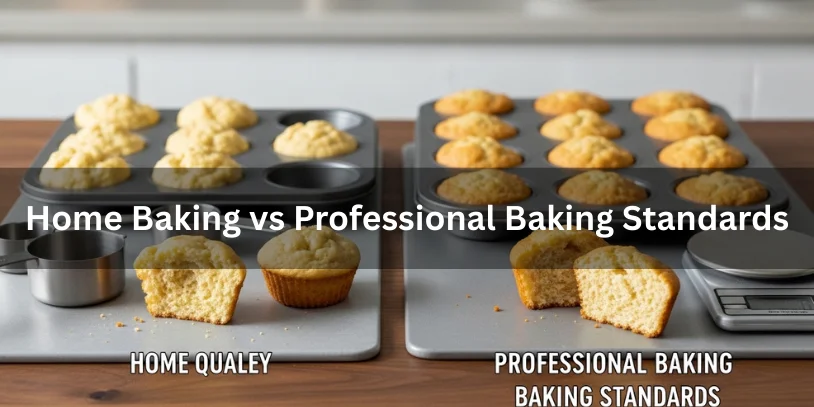
Professional kitchens rarely treat muffin pans and cupcake pans as interchangeable.
Why professionals keep both
- Portion control
- Predictable bake times
- Consistent appearance
- Cost control
Cupcake pans follow standardized liner sizes, which matters for packaging and sales. Muffin pans allow flexibility for rustic and savory applications.
Do You Need Both a Muffin Pan and a Cupcake Pan?
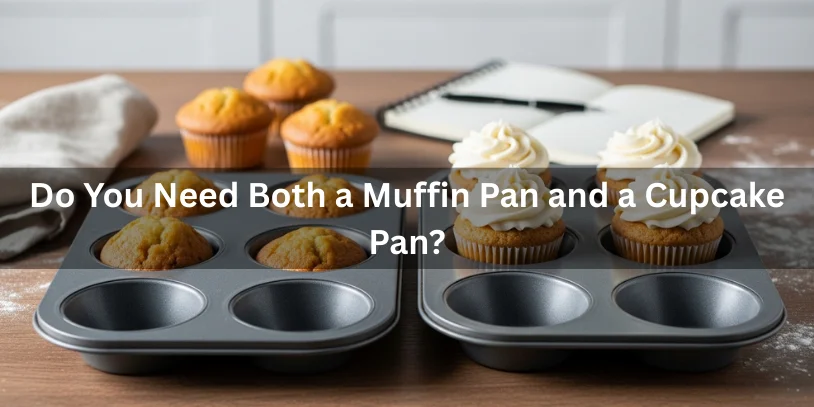
For occasional baking, one pan can work with adjustments. For frequent baking, owning both saves time, ingredients, and frustration.
Choose a muffin pan if you mostly bake
- Breakfast items
- Savory baked goods
- Large, hearty portions
Choose a cupcake pan if you mostly bake
- Desserts
- Decorated cupcakes
- Event or gift baking
Best all-around setup
- One standard cupcake pan
- One jumbo or standard muffin pan
Common Mistakes That Ruin Results
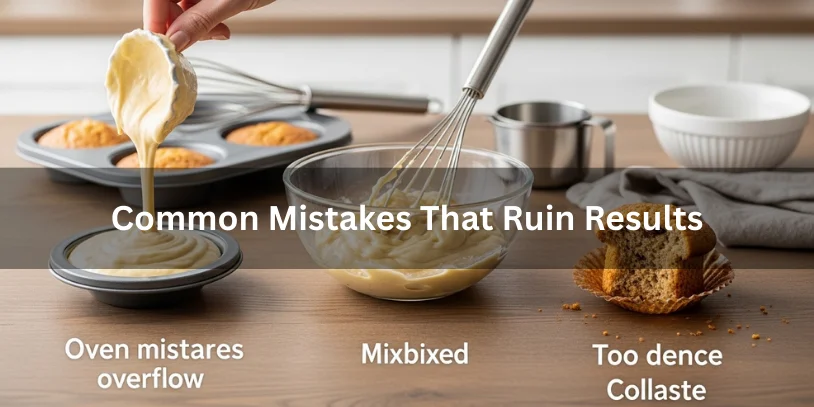
- Overfilling deep muffin cups
- Using standard liners in jumbo muffin pans
- Ignoring bake-time changes
- Assuming all “12-cup pans” are the same size
- Switching pan materials without adjusting time
Most baking problems blamed on recipes are actually pan issues.
Creative and Alternative Uses
Both pans can do more than their names suggest.
Cupcake pan alternatives
- Mini cheesecakes
- Individual brownies
- Portion-controlled desserts
Muffin pan alternatives
- Mini meatloaves
- Egg cups
- Frozen dessert molds
Just remember that volume still governs outcomes.
Where to Buy Quality Muffin and Cupcake Pans
Good pans are available globally through:
- Kitchenware stores
- Restaurant supply wholesalers
- Online marketplaces
Commercial baking trays often last longer and bake more evenly than lightweight retail options.
FAQs
Are muffin pans bigger than cupcake pans?
Yes. Muffin pans typically hold more batter and have deeper cups.
Why do my cupcakes overflow in a muffin pan?
The cups are larger, causing batter to spread before setting.
Does pan size affect baking time?
Absolutely. Deeper pans require longer bake times.
Do standard cupcake liners fit muffin pans?
They fit standard muffin pans but not jumbo versions.
What pan do professional bakers use for cupcakes?
Standard cupcake pans with consistent volume and liner fit.
Can pan material change baking results?
Yes. Aluminum and steel bake more evenly than silicone or ceramic.
Which pan is better for beginners?
Cupcake pans are more forgiving for light batters and timing.
Conclusion
The difference between a muffin pan and a cupcake pan is subtle in appearance but significant in results. Cup size, depth, and volume directly affect how batter rises, bakes, and finishes. Using the right pan prevents common baking failures and improves texture, consistency, and presentation.
If you bake often, owning both pans is the simplest solution. If you substitute, adjust fill level, temperature, and timing carefully. The pan you choose quietly determines whether your bake succeeds or disappoints.