
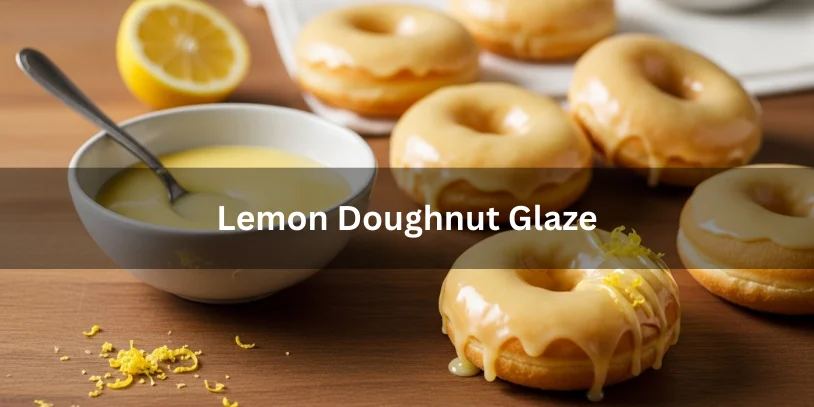
Lemon doughnut glaze transforms ordinary donuts into zesty treats with its shiny, crackly finish. This simple citrus donut topping balances sweet powdered sugar with tart lemon juice for a pro-level result. Home bakers love it for quick upgrades on yeast or cake donuts.
Whether you’re frying a batch or baking donut holes, the right glaze makes all the difference. It sets in just 1-2 hours, adding that bakery crunch without fancy equipment.
What Is Lemon Doughnut Glaze?

lemon glaze doughnuts is a thin, pourable icing made primarily from confectioners’ sugar, fresh lemon juice, and optional zest. Unlike thicker frostings, it drips off excess and hardens to a glossy shell on cooled donuts.
Key attributes include its ribbon consistency—thick enough to coat but fluid for dipping—and tart-sweet profile from Citrus limon oils. It’s a staple for tangy donut icing, often paired with yeast donuts or cake varieties.
This glaze shines on baked lemon glaze doughnuts, where the acidity cuts richness. Pros use it for its quick set, ideal for high-volume baking.
Why Choose Lemon Doughnut Glaze?

It elevates basic donuts with bright flavor and visual pop, mimicking spots like Dunkin’ or indie bakeries. The limonene in lemon zest delivers aroma that powdered sugar alone can’t match.
For balance, the acidity prevents cloying sweetness, perfect after frying. In humid kitchens worldwide, it holds up better than cream-based options when ratios are spot-on.
Bakers pick it for versatility—works on sourdough discard donuts or poppy seed twists. It’s why searches for “lemon glaze doughnuts” spike during citrus seasons.
Perfect for Home Bakers and Pros
This recipe suits beginners craving 10-minute prep and pros scaling batches. Families enjoy it for weekend brunches; bakeries for menu staples.
It’s ideal post-frying or baking, when donuts are fully cooled. Anyone with a whisk can master it, from B2C hobbyists to B2B operations tweaking for events.
Dietary adapters love vegan versions, swapping in plant alternatives without losing shine.
Essential Ingredients and Ratios
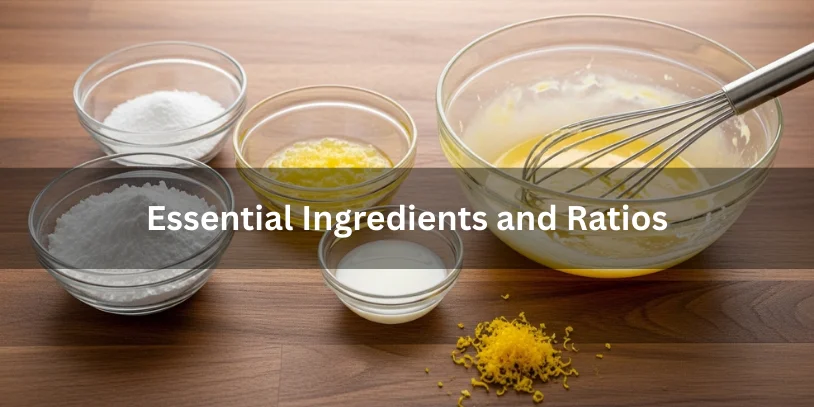
Start with quality basics for crackly glaze donuts. Here’s the core lineup:
| Ingredient | Amount (12 donuts) | Role | Pro Tip |
|---|---|---|---|
| Confectioners’ sugar (sifted) | 1½-2 cups | Thick base | Prevents graininess; cornstarch-stabilized. |
| Fresh lemon juice | 3-4 tbsp | Tart liquid | Strained, room temp for smooth mix. |
| Lemon zest | 1 tsp | Flavor oils | Microplane for fine texture. |
| Lemon extract (opt.) | ½ tsp | Intensity boost | Alcohol-free for clean taste. |
| Plant milk (vegan) | 1 tsp | Creaminess | If thinning needed. |
Ratios: 1 cup sugar to 2-3 tbsp juice for pourable stage. Scale up for bakery hacks—1 lb sugar per ½ cup juice.
Foolproof Lemon Doughnut Glaze Recipe
Yields enough for 12 standard donuts. Prep: 5 mins. Set time: 1-2 hours.
Combine sifted sugar and 2 tbsp juice in a bowl. Whisk until smooth—no lumps. Add zest and extract. Gradually stir in remaining juice to reach ribbon trail (coats spoon back).
Test: Drip should hold shape briefly before flowing. Too thick? Splash juice. Too thin? Dust more sugar.
Dip cooled donut tops, tap gently, and rack over parchment. Watch it transform into shiny perfection.
Step-by-Step: How to Make Lemon Donut Glaze
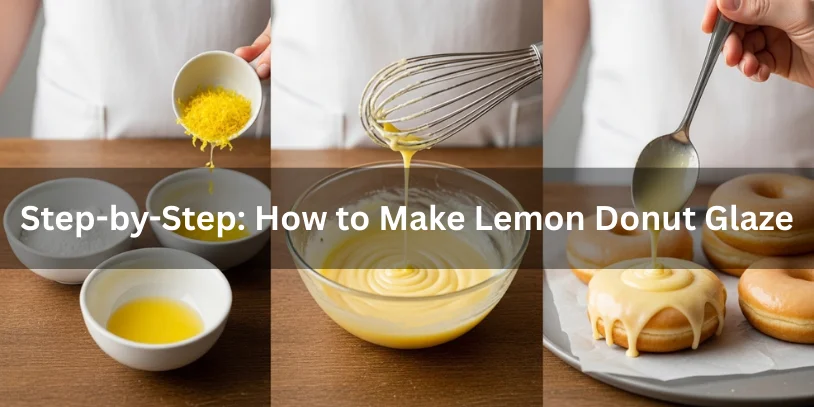
Follow these for bakery results every time:
- Sift sugar: 1½ cups into wide bowl—breaks clumps for silky texture.
- Add initial juice: 2 tbsp; whisk slow circles to hydrate evenly.
- Incorporate zest: Fold in 1 tsp for limonene punch; avoid overmixing bubbles.
- Adjust consistency: Add 1 tbsp juice; whisk to ribbon (drops hold 3 seconds).
- Dip and set: Submerge donut tops 2 seconds; excess drips off. Air-dry 1-2 hours.
Warm in bain-marie for big batches—keeps fluid without seizing. Cool donuts fully first, or glaze melts right off.
Types of Lemon Doughnut Glaze

Explore variations to match your donuts:
- Classic Thin: 2 tbsp juice—ideal for yeast donuts, drizzly shine.
- Thick Bakery: 2 cups sugar, 2 tbsp juice—crackly like Sturbridge Bakery style.
- Vegan Lemon Glaze: Plant milk sub; aquafaba for stability.
- Lemon Poppy Seed: Stir in seeds post-mix for Sally’s vibe.
- Sourdough Pair: Tangier juice offset for discard donuts.
| Type | Best For | Set Time | Flavor Note |
|---|---|---|---|
| Thin Drizzle | Baked holes | 45 mins | Light citrus |
| Thick Crackly | Fried yeast | 2 hrs | Intense zest |
| Creamy Vegan | Dietary | 1 hr | Subtle sweet |
| Poppy Twist | Flavored | 90 mins | Textured bite |
Troubleshooting: Fix Runny or Non-Setting Glaze

Runny lemon glaze? Common pain from excess juice. Add sugar ¼ cup at a time; chill bowl 10 mins.
Not setting? Donuts too warm—wait 30 mins post-fry. Humidity culprit? Extra ½ cup sugar absorbs moisture, key in tropical spots.
Grainy? Always sift; whisk vigorously 2 mins. Weeping after set? Over-liquid—dry with cornstarch pinch next batch.
Sticky finish? Insufficient air-dry; fan helps. Too tart? Balance with extract over fresh juice.
Real scenario: Baker on Reddit fixed thin glaze by room-temp juice and rack-drying overnight.
Storage and Make-Ahead Tips
Room temp: 1-2 days in covered dome—no fridge stickiness.
Fridge: Up to 1 week airtight; soften 15 mins before use. Freezes 3 months piped on parchment; thaw whisk.
Glazed donuts? Counter 24 hours max; layer with wax paper. For events, glaze day-of for crunch.
Pro hack: Store dry mix (sugar + zest) separately; add juice fresh.
Best Practices for Pro Results
- Room-temp everything—cold juice lumps sugar.
- Microplane zest fine; pith bitters.
- Rack over foil—easy cleanup.
- Batch test: One donut first.
- Global tweak: Humid areas up sugar 20%.
Food science: Powdered sugar’s cornstarch sets via evaporation; zest’s oils emulsify for shine.
Checklist:
- Sift ✓
- Cool donuts ✓
- Ribbon test ✓
- 1-2 hr set ✓
Alternatives to Lemon Doughnut Glaze

Not lemon today? Try:
- Vanilla Glaze: Milk + extract—neutral base.
- Cream Cheese Icing: Thicker, tangy rival.
- Royal Icing: Egg whites for hard shell.
| Alternative | Pros | Cons | When to Use |
|---|---|---|---|
| Vanilla | Versatile | Less zing | Plain donuts |
| Cream Cheese | Rich | Soft set | Cake donuts |
| Royal | Durable | Egg taste | Shipping |
Decision guide: Glaze for quick shine; icing for spreadable.
Advanced: Bakery Scaling and Twists
For B2B: Triple recipe, bain-marie hold at 100°F. Add citric acid for shelf-stable punch.
Citrus chemistry: Limonene volatilizes for aroma; acidity (pH 2-3) tenderizes crumb subtly.
Testimonial-style: “Swapped for oat milk—vegan hit!” from health bloggers.
FAQs
How do you make lemon donut glaze thicker?
Sift in extra powdered sugar ¼ cup at a time while whisking. Use less juice upfront for bakery-thick results.
Why is my lemon glaze runny?
Too much juice or unsifted sugar. Chill 10 mins and thicken gradually—common in humid kitchens.
Does lemon donut glaze need refrigeration?
Room temp 1-2 days is fine; fridge up to a week for longer storage. Avoid if humid to prevent weeping.
What’s the best lemon glaze recipe for baked donuts?
1½ cups sifted sugar, 3 tbsp juice, 1 tsp zest. Dip cooled baked donuts for even shine.
How to make lemon donut glaze set faster?
Cool donuts fully, fan-dry, or fridge 30 mins post-dip. Extra sugar speeds evaporation.
Can you make vegan lemon doughnut glaze?
Yes—powdered sugar, lemon juice, splash plant milk. Sets just as crackly.
Why won’t my lemon glaze harden on donuts?
Warm donuts melt it; insufficient sugar ratio. Rack-dry 2 hours minimum.
Lemon glaze too sweet?
Up juice or zest; add pinch salt. Extract boosts flavor without sugar.
Conclusion
Mastering lemon doughnut glaze opens endless donut upgrades with minimal effort. Grab fresh lemons, sift that sugar, and dip away for your shiny, tangy triumph. Experiment variations next—your kitchen’s new favorite awaits.