
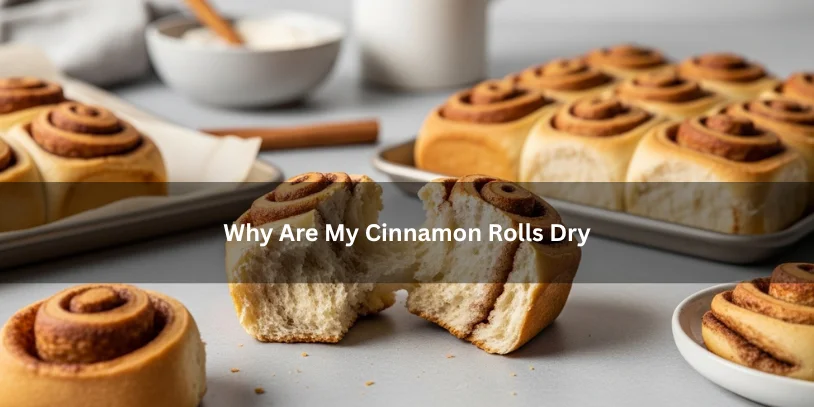
Cinnamon rolls, cinnamon buns, and cinnamon scrolls are supposed to be soft, fluffy, moist, and slightly gooey in the center. When they come out dry, hard, dense, or bready, something has usually gone wrong in one of five places: mixing, kneading, proofing, baking, or storage.
That matters because dryness is not always caused by the same mistake. A dough that feels dry before rising points to one issue. Rolls that are soft warm but dry later point to another. If your edge rolls are dry but the middle ones are fine, the pan or bake time may be the real culprit.
A Quick Diagnosis Table
If you want a fast answer before diving deeper, use this table to match the symptom with the most likely cause.
| Symptom | Most likely cause | What to change |
|---|---|---|
| Dough feels stiff before first rise | Too much flour or low hydration | Reduce flour, weigh ingredients, keep dough slightly tacky |
| Rolls look golden but taste dry inside | Overbaking | Bake a little less, check sooner |
| Rolls are soft hot but dry after cooling | Storage issue or lean dough | Wrap tightly, use richer dough |
| Rolls are dry the next day | Fridge storage or poor sealing | Store airtight at room temperature |
| Rolls are dry around the edges only | Pan shape or overexposed sides | Use a tighter pan like 9×13 |
| Dough rose poorly and baked dense | Under-proofing or weak yeast | Check rise, dough temp, and yeast freshness |
| Rolls feel more like bread than pastry | Too little fat or milk | Use an enriched dough with butter, milk, and eggs |
The Most Common Causes of Dry Cinnamon Rolls
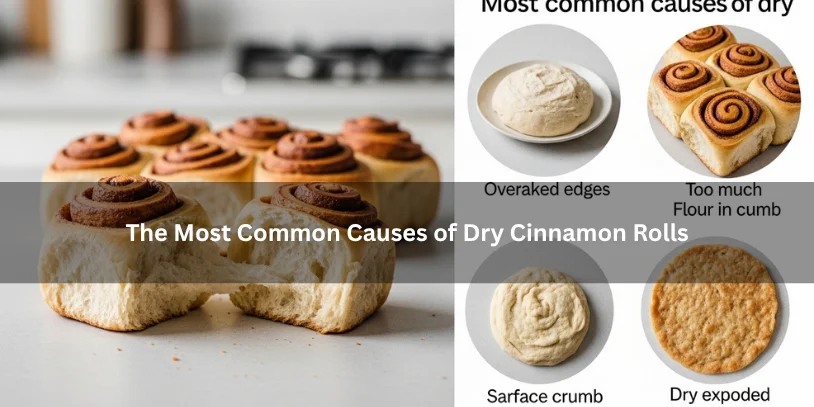
1. Too Much Flour
This is the number one reason cinnamon rolls dry out.
A lot of bakers add flour until the dough feels easy to handle, but cinnamon roll dough is not supposed to feel dry and firm. It should feel soft, smooth, and slightly tacky. If it becomes too stiff, the finished rolls usually turn dry, dense, and less fluffy.
This often happens when flour is measured by cups instead of grams. One cup can vary a lot depending on how tightly it is packed. If you scoop directly from the flour bag, you may be adding far more than the recipe intended.
A better approach is:
- weigh flour in grams when possible
- if using cups, fluff the flour first, then spoon it in and level it
- stop adding extra flour unless the dough is truly unmanageable
2. The Dough Was Too Dry During Mixing or Kneading
Some dough starts fine, then dries out because of extra bench flour during kneading, rolling, or shaping.
This is where many people confuse sticky dough with bad dough. Cinnamon roll dough should often feel a little tacky. That slight stickiness usually leads to soft, pillowy rolls. If you keep dusting flour onto the dough and the counter, you slowly lower hydration and turn a tender dough into a bready one.
A helpful rule:
- sticky is messy
- tacky is soft and slightly clingy
- dry and smooth like modeling clay is usually too far
If your cinnamon roll dough looks neat but bakes dry, that may be exactly what happened.
3. Overbaking
Even a well-made dough can end up dry if it stays in the oven too long.
Cinnamon rolls do not need deep brown tops to be done. In fact, waiting for dark golden tops is one of the fastest ways to dry them out. They should look lightly golden and feel set, but still soft. If you use an instant-read thermometer, the center of enriched sweet rolls is often done around 190–200°F (88–93°C).
Signs of overbaking include:
- dark tops and dry centers
- firm edges
- glaze melting off but not soaking in
- a bready texture instead of a plush one
If your oven runs hot, even a correct bake time can still overdo the rolls. That is why an oven thermometer can help if your results are inconsistent.
4. Poor Proofing
Proofing affects texture more than many people realize.
If rolls are under-proofed, they may bake up dense, tight, and less able to hold moisture. If they are over-proofed, they can collapse slightly and still bake into an uneven, dry structure. Good proofing gives you a lighter crumb and a softer bite.
Your shaped rolls should usually look puffy before they go into the oven. They should not still look small, tight, or flat. And they should not look fragile or collapsing either.
A quick proofing check:
- gently press the dough with a fingertip
- if it springs back too fast, it may need more time
- if it barely holds shape and feels weak, it may have gone too far
- if it slowly springs back and stays lightly indented, it is often close to ready
5. A Lean Dough Instead of an Enriched Dough
Not all cinnamon roll recipes are equally soft.
A richer dough made with butter, milk, and eggs usually stays softer than a lean yeast dough. If your rolls come out more like plain sweet bread than bakery-style cinnamon buns, the formula may not contain enough fat and moisture to support that soft, gooey texture.
This is especially noticeable the next day. Richer doughs generally stay tender longer, while leaner doughs dry out faster after cooling.
If softness is your priority, look for doughs described as:
- enriched dough
- buttery dough
- milk bread style
- brioche-style dough
Why Your Cinnamon Rolls Can Be Dry Even If You Followed the Recipe Exactly
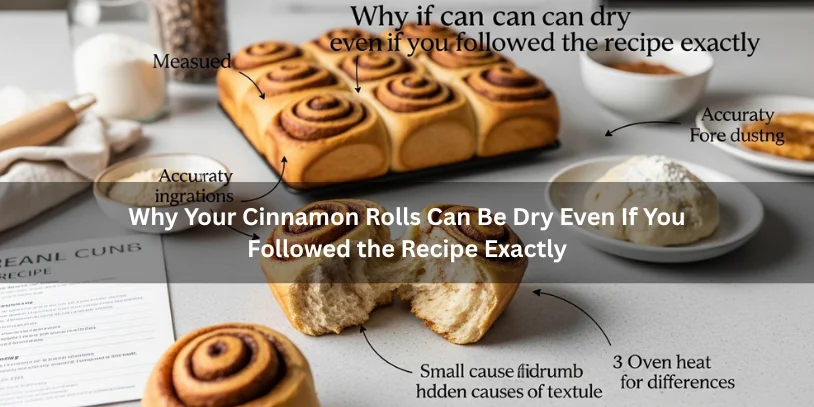
This frustrates a lot of home bakers, but it happens all the time.
You can follow a recipe word for word and still get dry cinnamon rolls because recipes assume many things that vary from kitchen to kitchen:
- cup measurements may not be consistent
- flour brands absorb differently
- room temperature affects proofing
- dough temperature changes yeast activity
- pan material affects browning
- ovens run hot or cool
That is why “I followed the recipe exactly” does not always guarantee a moist result. Baking is precise, but it is not identical in every kitchen.
Dry at Different Stages Means Different Problems
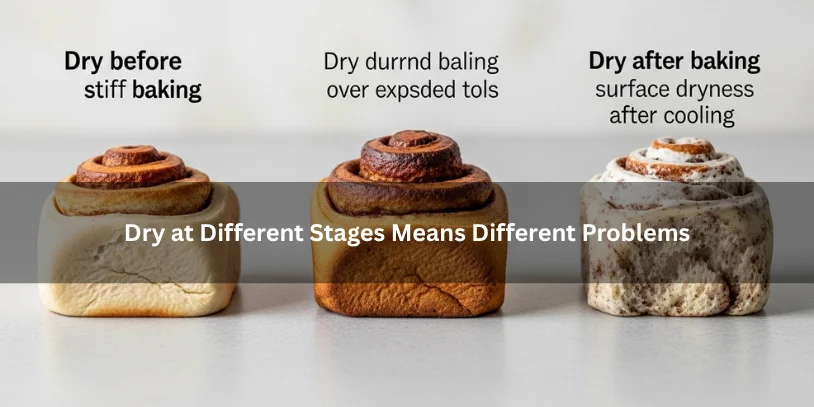
Dry Before Rising
If the dough feels dry before the first rise, the issue is almost always too much flour or not enough liquid. The dough should not feel crumbly, stiff, or hard to knead.
Dry Right After Baking
If the rolls are dry straight from the oven, the likely causes are overbaking, low-hydration dough, or a dough that was over-floured while shaping.
Dry After Cooling
If the rolls seemed soft while hot but dried out as they cooled, the recipe may be a little lean, or they may have been left uncovered too long.
Dry the Next Day
If the rolls were good on day one but dry on day two, storage is usually the issue. Yeast dough dries out quickly when exposed to air, and the fridge often makes it worse.
Dry Around the Edges Only
If the center rolls are soft but the edge rolls are drier, your pan setup may be the problem. Rolls baked close together stay softer because they protect one another. A tight 9×13 pan generally gives you more soft-sided rolls than widely spaced buns.
How to Fix Dry Cinnamon Rolls After Baking
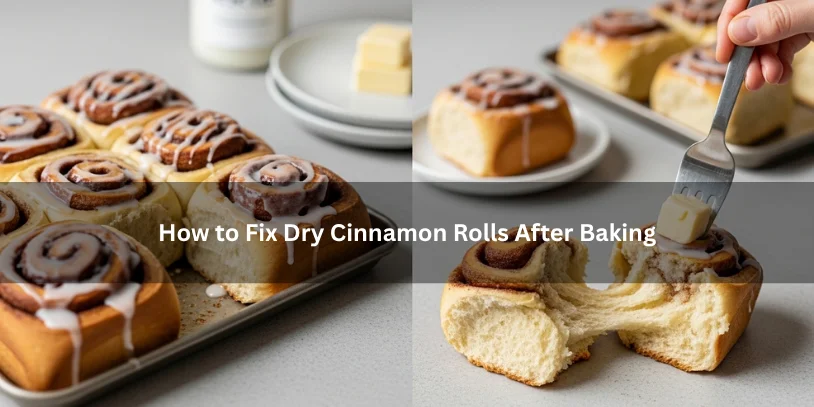
You cannot completely reverse dryness, but you can improve the current batch.
Best ways to rescue them
- Warm them gently
Cover the pan loosely with foil and reheat them briefly so they warm without drying further. - Add glaze or frosting while warm
A warm roll absorbs icing better than a cold one. That helps soften the surface and improves the eating experience. - Use a light cream boost
If the rolls are only slightly dry, brushing or spooning a little warm cream over them before reheating can help. - Serve them fresh after reheating
Dry rolls tend to decline quickly after a second cooling.
These steps will not turn a badly overbaked batch into perfect bakery-style cinnamon scrolls, but they can make the texture much more pleasant.
How to Keep Cinnamon Rolls Soft Next Time
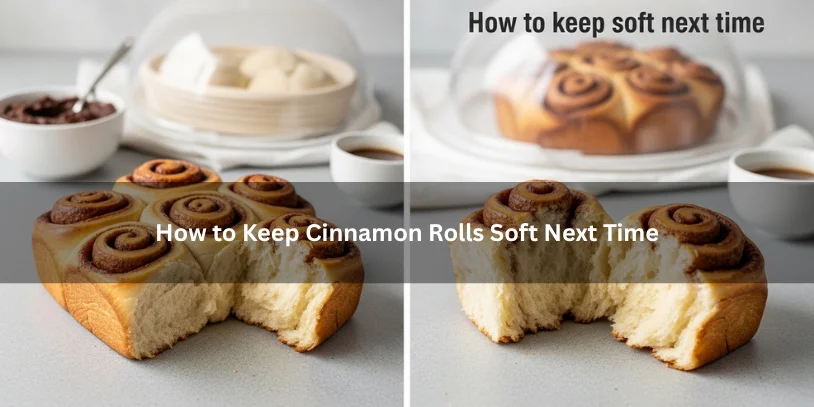
1. Weigh your flour
This is one of the simplest upgrades you can make. It removes a lot of guesswork.
2. Keep the dough slightly tacky
Do not force the dough to feel dry and easy. A soft dough makes soft rolls.
3. Avoid too much bench flour
Use only enough to prevent sticking. A little goes a long way.
4. Use an enriched dough
Butter, milk, and eggs help create a moist, fluffy texture.
5. Bake until just done
Do not wait for dark tops. Check earlier than you think.
6. Use the right pan
A tighter pan helps the rolls bake into one another and stay softer.
7. Store them airtight
Once cooled, cover them well. Short-term room temperature storage usually protects texture better than refrigeration.
Tacky Dough vs Sticky Dough
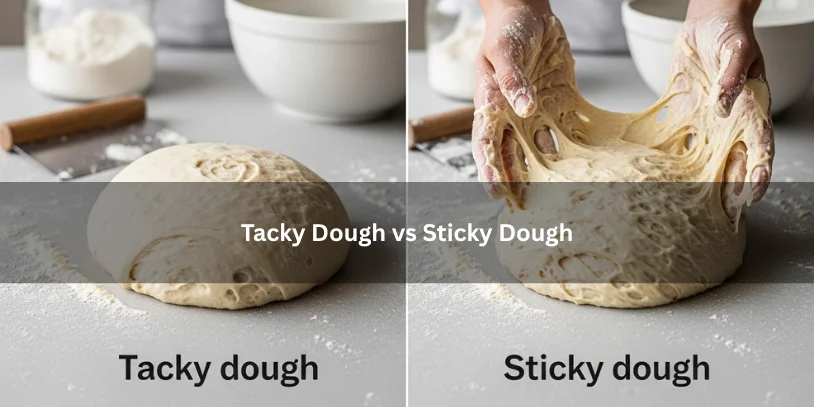
This is one of the biggest points of confusion.
| Dough feel | What it means |
|---|---|
| Tacky | Slightly soft, lightly clingy, usually correct for cinnamon rolls |
| Sticky | Messy, attaching heavily to fingers and counter, may need a tiny bit of flour |
| Dry | Stiff, firm, not supple, often too much flour |
Many bakers accidentally fix tacky dough as if it were sticky dough. That often creates dry cinnamon buns later.
Bread Flour vs All-Purpose Flour
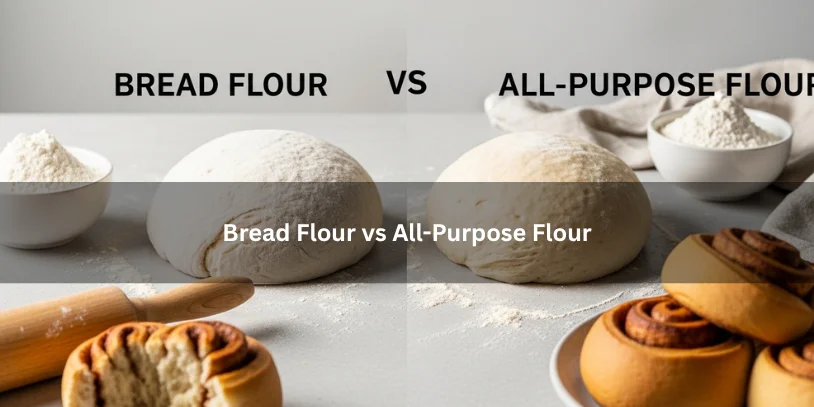
Both can work, but they behave differently.
- All-purpose flour often gives a softer, lighter result and is common in home baking.
- Bread flour can absorb a bit more liquid and build stronger gluten development, which some bakers like for structure.
If your dough keeps turning dry, the bigger issue usually is not the flour type alone. It is how much flour you are using and whether the dough remains hydrated enough.
Tangzhong vs Heavy Cream
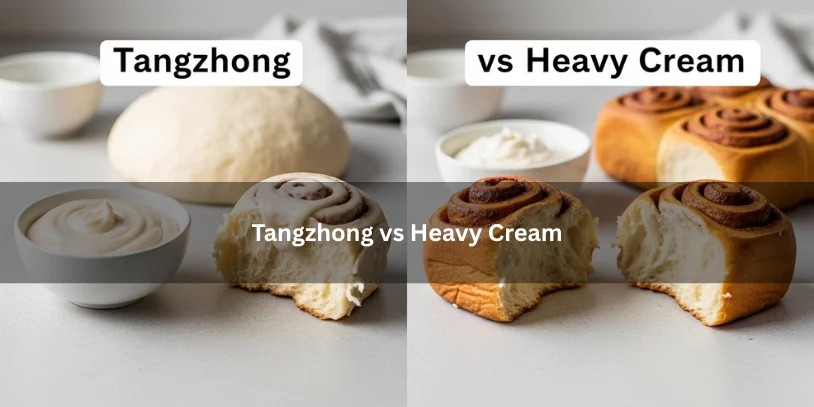
These are two popular methods for softer cinnamon rolls, but they do different things.
Tangzhong
Tangzhong is a cooked flour-and-liquid paste added to dough. It helps trap moisture and can keep rolls soft for longer. It is especially useful if you want cinnamon buns that stay tender overnight or into the next day.
Heavy cream
Pouring heavy cream over risen rolls before baking adds moisture and richness. It can give the final rolls a softer, gooier texture, especially around the bottom and center.
Which is better?
- choose tangzhong if long-lasting softness is your goal
- choose heavy cream if you want a richer, gooier bake
- use neither if your current recipe already runs very wet and soft
Best Tools for Better Cinnamon Rolls
You do not need fancy equipment, but a few tools help a lot:
- digital scale
- oven thermometer
- instant-read thermometer
- metal baking pan
- bench scraper for cleaner handling
These tools make it easier to control hydration, proofing, and baking instead of guessing.
How to Store Cinnamon Rolls Overnight Without Drying Them Out
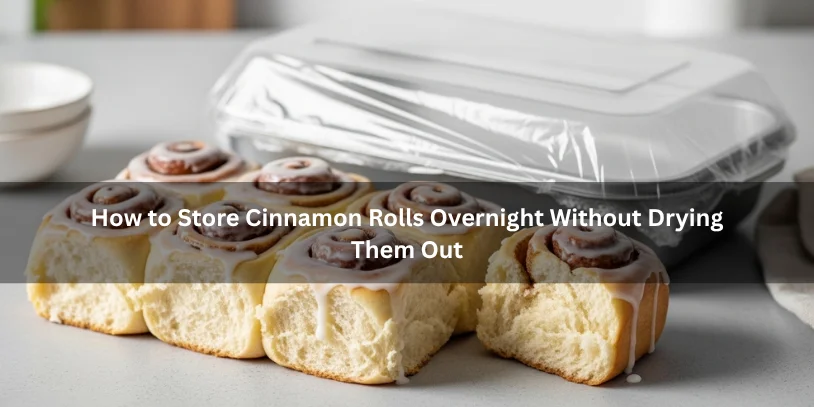
Once the rolls cool, store them in airtight wrapping or a tightly sealed container. Keep them at room temperature for short-term storage unless your specific frosting requires something else.
Good overnight storage habits:
- let them cool first
- wrap the pan tightly or transfer to an airtight container
- avoid leaving them uncovered on the counter
- reheat gently before serving
If you refrigerate yeast rolls unnecessarily, they often lose softness faster.
FAQs
Why are my cinnamon rolls dry even though I followed the recipe?
Because flour measurement, dough feel, proofing time, oven temperature, and pan type can all change the result. A recipe can be correct, but your dough may still end up too dry or overbaked.
Should cinnamon roll dough be sticky?
It should usually be slightly tacky, not dry. A little softness and cling are normal. If the dough feels stiff and easy too early, it may already have too much flour.
Can I fix dry cinnamon rolls after baking?
You can improve them by reheating gently under foil and adding glaze or a little warm cream. That will not fully undo severe dryness, but it helps.
Why are my cinnamon rolls dry the next day?
Usually because they were not stored airtight, or because they were refrigerated and lost moisture. Leaner doughs also dry out faster overnight.
What internal temperature should cinnamon rolls be?
A good target for many enriched cinnamon rolls is around 190–200°F (88–93°C) in the center, depending on the recipe and pan.
Is bread flour better than all-purpose flour for soft cinnamon rolls?
Not automatically. Bread flour can help with structure, but softness depends more on hydration, handling, and bake time than on flour type alone.
Does heavy cream really help cinnamon rolls?
Yes, it can. Heavy cream can make the rolls richer, softer, and more gooey, especially when poured over them before baking.
Is tangzhong better for overnight softness?
Yes, tangzhong is one of the best options if you want cinnamon rolls that stay soft longer.
Should I refrigerate cinnamon rolls overnight?
Only if your recipe or frosting specifically requires it. For texture alone, tightly wrapped room-temperature storage usually keeps yeast rolls softer.
Conclusion
If your cinnamon rolls are dry, the cause is usually not random. It almost always comes down to too much flour, low hydration, poor proofing, overbaking, or drying during storage. The easiest fix is to identify which stage caused the problem.
For your next batch, focus on three things first: weigh the flour, keep the dough slightly tacky, and bake only until just done. If you want an even softer result, use an enriched dough, consider tangzhong or heavy cream, and store the rolls airtight once they cool. Those small changes can make the difference between dry, bready rolls and soft, fluffy cinnamon buns you actually want to make again.