
Can You Freeze Brioche Bread?
Yes, you can freeze brioche bread, and when it’s done correctly, it freezes exceptionally well. Brioche is an enriched bread made with butter, eggs, and milk, and these ingredients actually help protect its soft crumb and flavor during freezer storage. Freezing is often the best option if you want to extend shelf life without sacrificing quality.
Many people hesitate because brioche feels delicate, but freezing is far better than leaving it at room temperature for too long or refrigerating it, which speeds up staling.
Why Brioche Freezes Better Than Most Breads

Brioche behaves differently from lean breads like baguettes or basic white bread. The difference comes down to food science.
Brioche contains:
- A high percentage of butter and eggs
- More fat than standard sandwich bread
- A tender, moisture-rich crumb
Fat slows down starch retrogradation, the process responsible for bread becoming stale and dry. This means brioche retains moisture and softness longer, even after freezing and thawing. In simple terms, the ingredients that make brioche rich and indulgent also make it freezer-friendly.
When Freezing Brioche Makes Sense
Freezing brioche is ideal if:
- You bought a loaf larger than you can finish in 1–2 days
- You bake brioche at home and want to preserve freshness
- You’re storing brioche buns for future burgers or sandwiches
- You want brioche on hand for French toast or bread pudding
Because brioche has a short shelf life at room temperature, freezing early—while it’s still fresh—is the key to good results.
The Best Way to Freeze Brioche Bread
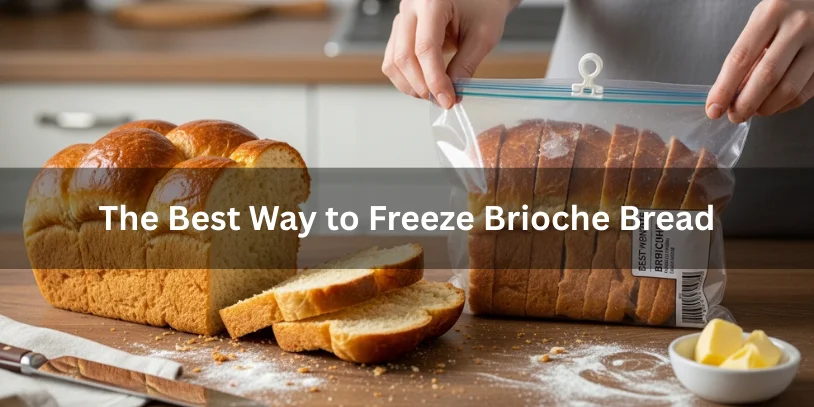
Freezing brioche properly is simple, but small details make a big difference in texture and flavor.
Step-by-Step: How to Freeze Brioche Bread
- Let the brioche cool completely
Freezing warm bread causes condensation, which leads to freezer burn. - Decide whether to freeze whole or sliced
Sliced brioche is convenient; whole loaves retain moisture slightly better. - Wrap tightly
Use plastic wrap to seal the bread completely. Add a second layer of aluminum foil or place it in a freezer-safe bag. - Remove excess air
Air exposure is the main cause of freezer burn. - Label and freeze
Write the date and freeze immediately at 0°F / -18°C.
This method works for loaves, buns, rolls, and even brioche braids.
Freezing Sliced vs Whole Brioche: Which Is Better?
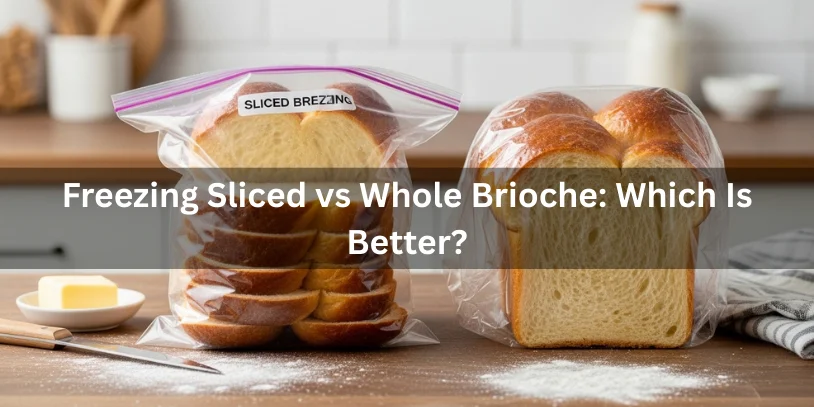
Both options work well, but the best choice depends on how you plan to use the bread.
| Freezing Method | Best For | Benefits |
|---|---|---|
| Sliced brioche | Toast, daily use | Easy portion control, quick thawing |
| Whole loaf | French toast, desserts | Slightly better moisture retention |
| Individual buns | Burgers, sliders | Prevents crushing, easy reheating |
If convenience matters, slicing before freezing is usually the smarter option.
How Long Can Brioche Bread Be Frozen?
When stored properly, brioche maintains good quality for:
- 2 to 3 months in a standard home freezer
- Up to 4 months if vacuum sealed
Beyond that, it’s still safe to eat, but texture and flavor may slowly decline due to freezer burn.
How to Thaw Frozen Brioche Bread
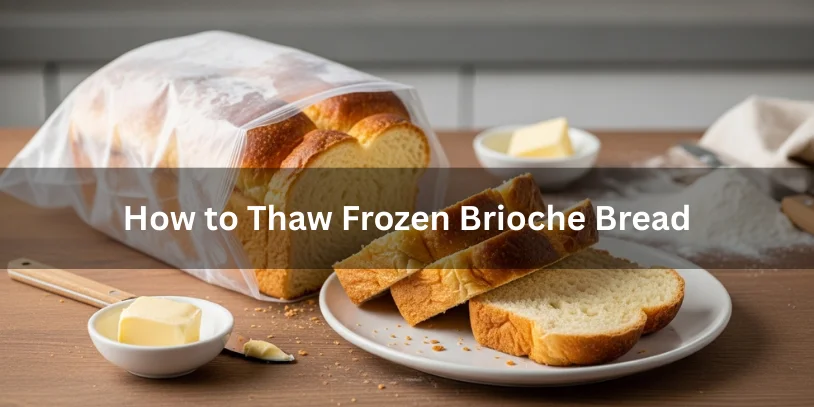
Thawing gently is just as important as freezing correctly.
Best Thawing Methods
- Room temperature: Place brioche on the counter for 1–2 hours
- Overnight thaw: Leave it wrapped and thaw slowly for best texture
Avoid thawing brioche in the microwave. Microwaves heat unevenly and often make enriched bread rubbery or dry.
How to Reheat Brioche After Freezing
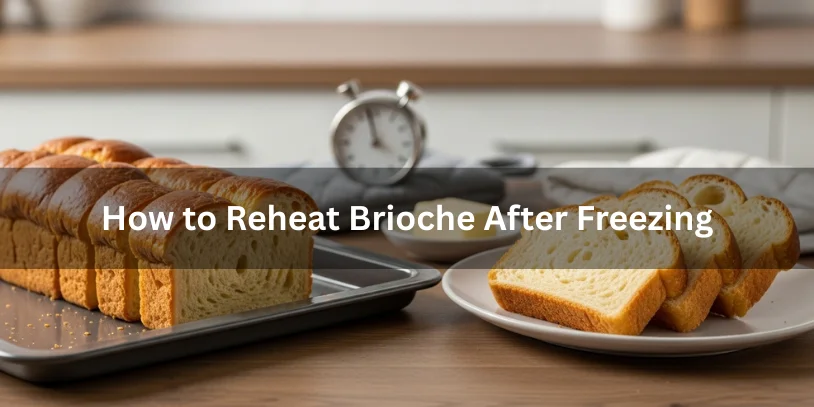
Reheating restores brioche’s aroma and softness, especially if it feels slightly firm after thawing.
Recommended Reheating Methods
- Oven: 325°F (160–170°C) for 5–8 minutes
- Toaster: Ideal for sliced brioche
- Air fryer: Low heat for 2–3 minutes
A light brush of butter before reheating enhances flavor and helps revive the crumb.
Freezing Brioche Buns for Burgers and Sandwiches
Brioche buns freeze extremely well and are commonly frozen in both home kitchens and bakeries.
For best results:
- Wrap buns individually
- Freeze on the day of purchase or baking
- Thaw at room temperature, then lightly toast
This method preserves structure so buns don’t collapse or become soggy.
Store-Bought vs Homemade Brioche: Does It Matter?
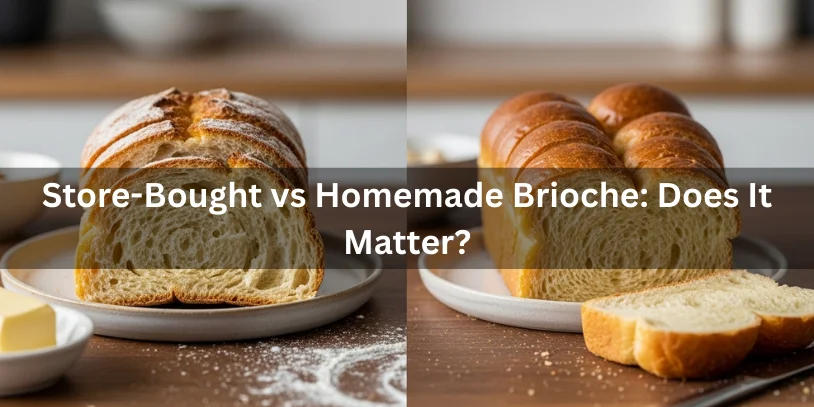
Both can be frozen successfully, but there are small differences.
Store-bought brioche
- Often contains preservatives
- Freezes consistently
- Texture may decline slightly faster after long storage
Homemade brioche
- No stabilizers
- Freezes beautifully when fresh
- Best frozen the same day it’s baked
Homemade brioche often tastes fresher after thawing if frozen promptly.
Freezing Brioche Dough vs Baked Brioche
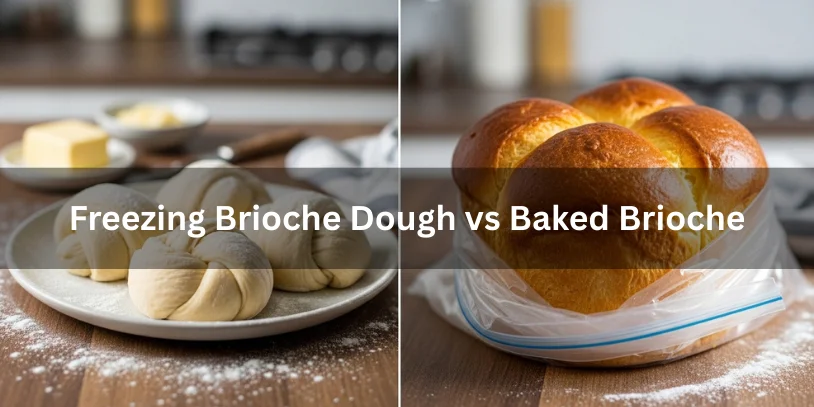
You can freeze both, but they behave differently.
- Baked brioche: Easiest and most reliable
- Raw brioche dough: Can be frozen, but yeast activity may weaken slightly
For most people, freezing baked brioche delivers better and more predictable results.
Freezing vs Refrigerating Brioche Bread
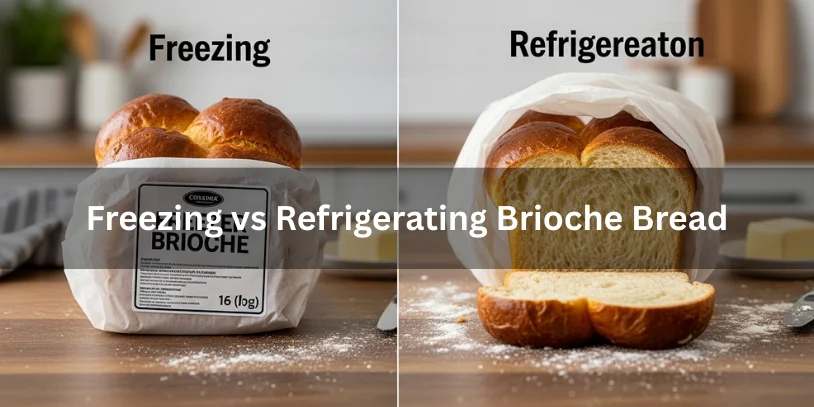
Refrigeration may seem convenient, but it’s usually the worst option.
| Storage Method | Shelf Life | Texture Impact |
|---|---|---|
| Room temperature | 1–2 days | Best flavor short-term |
| Refrigerator | 3–5 days | Dries out quickly |
| Freezer | 2–3 months | Best long-term quality |
Cold refrigerator temperatures accelerate bread staling, while freezing pauses it.
Common Mistakes That Ruin Frozen Brioche
Avoid these common errors:
- Freezing brioche while still warm
- Using only one layer of wrapping
- Leaving bread exposed to air
- Refreezing brioche after thawing
- Thawing in the microwave
These mistakes lead to dryness, off flavors, or poor texture.
Using Frozen Brioche in Recipes
Frozen brioche works especially well in cooked dishes where slight firmness is actually helpful.
Great uses include:
- French toast
- Bread pudding
- Stuffing
- Breakfast sandwiches
- Sliders and grilled sandwiches
Many bakers intentionally use frozen brioche for French toast because it absorbs custard better.
Climate and Storage Considerations
In hot or humid environments, brioche spoils faster at room temperature. Freezing within 24 hours is often necessary to prevent mold or spoilage. In cooler climates, you may get an extra day at room temperature, but freezing early still gives the best quality.
Commercial bakeries around the world commonly freeze brioche buns and loaves as part of standard workflow, then thaw and refresh them before service.
Frequently Asked Questions
Does brioche freeze well compared to other breads?
Yes. Brioche freezes better than most breads due to its high butter and egg content, which protects moisture and texture.
Can you toast brioche straight from the freezer?
Yes, sliced brioche can be toasted directly from frozen with excellent results.
Should brioche be sliced before freezing?
Slicing before freezing makes portioning easier, but whole loaves retain moisture slightly better.
Does freezing ruin brioche bread?
No, not when frozen properly. Texture and flavor remain very close to fresh.
Can bakeries freeze brioche bread?
Yes. Many bakeries routinely freeze brioche buns and loaves as part of normal operations.
Is frozen brioche safe to eat after three months?
Yes, it’s generally safe, though quality may decline if stored longer.
Can you freeze brioche without plastic wrap?
Yes, but only if using airtight alternatives like reusable freezer bags or foil with minimal air exposure.
Conclusion
Freezing brioche bread is one of the best ways to preserve its rich flavor, soft crumb, and buttery texture. When wrapped properly and frozen while fresh, brioche can be stored for months with minimal quality loss. Whether you’re a home baker, a busy household, or a professional kitchen, freezing brioche offers convenience, reduces waste, and keeps great bread ready whenever you need it.
Pingback: How to Defrost Bread in Microwave Quickly Without Ruining Texture 10 Bakery-Style Secrets - DreamWhip Bakers