
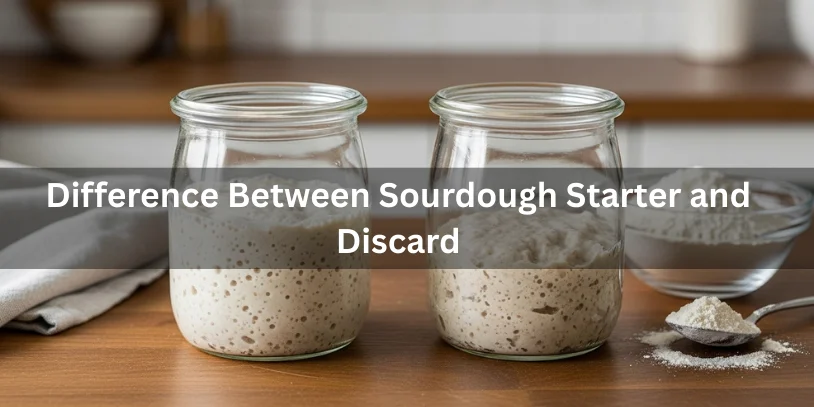
If you’ve kept a sourdough culture, you’ve probably asked: What’s the difference between sourdough starter and discard? Are they the same? Am I wasting flour? The confusion makes sense—they look alike, smell tangy, and come from the same jar—but they serve very different roles in baking. Understanding this affects rise, flavor, safety, and confidence in maintaining your starter. This guide explains it clearly, filling gaps most resources skip.
What Is Sourdough Starter?
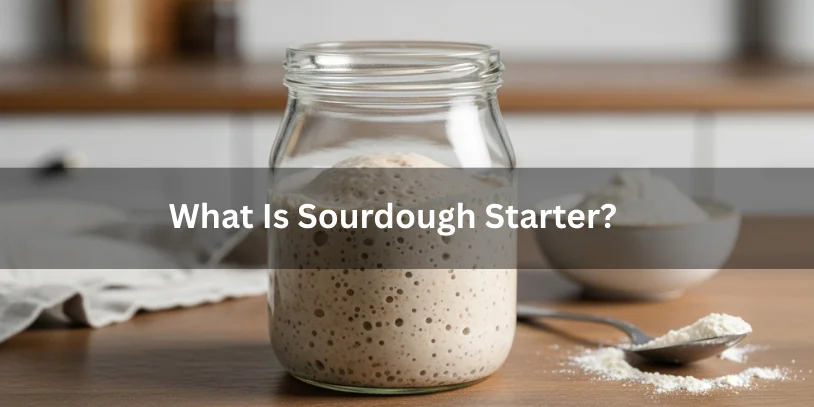
Sourdough starter is a living fermentation culture made from flour and water. Over time, it becomes home to wild yeast and lactic acid bacteria naturally present in the environment and flour.
When a starter is active—meaning it has been fed recently—it contains enough living yeast to produce gas and enough bacteria to build flavor and strength in dough.
Key characteristics of an active starter
- Recently fed (usually within 4–12 hours)
- Bubbly, airy, and expanding in volume
- Mildly tangy aroma, not sharp or unpleasant
- Strong leavening power
What starter is used for
Active sourdough starter is what makes sourdough bread rise without commercial yeast. It’s essential for:
- Artisan sourdough loaves
- Naturally leavened pizza dough
- Long-fermented bread recipes
- Doughs that rely on fermentation for structure
Without an active starter, sourdough bread won’t rise properly.
What Is Sourdough Discard?
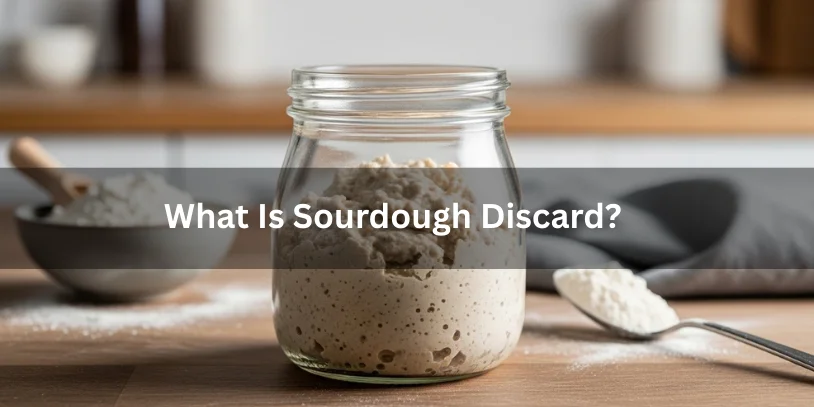
Sourdough discard is the portion of starter removed before feeding. It exists because starters grow quickly, and keeping all of it would require enormous amounts of flour.
Discard is usually unfed or underfed starter. It still contains wild yeast and lactic acid bacteria, but they’re tired, hungry, and far less active.
Why discard exists
- Prevents starter from becoming unmanageably large
- Keeps acidity from building up too fast
- Maintains a healthy balance of yeast and bacteria
Key characteristics of discard
- Flat or only slightly bubbly
- Thinner texture
- More acidic aroma
- Low leavening power
Discard isn’t “bad” or unsafe by default—it’s simply inactive.
Sourdough Starter vs Discard: The Core Difference
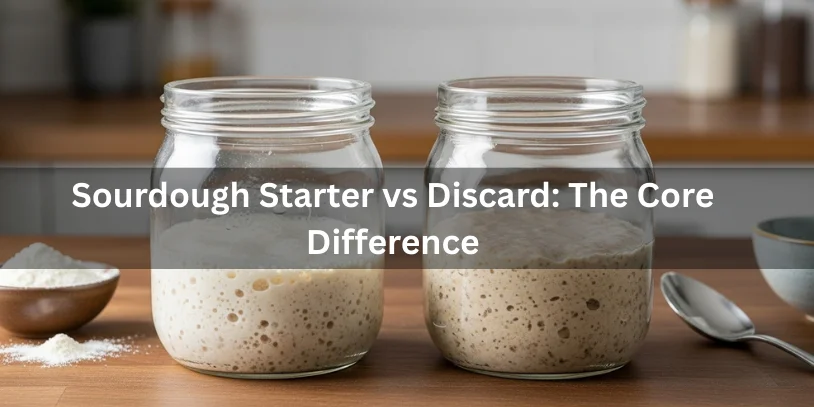
The simplest way to think about it is this:
Starter is fed and strong. Discard is unfed and weak.
Both come from the same culture, but timing and feeding make all the difference.
Side-by-side comparison
| Feature | Sourdough Starter | Sourdough Discard |
|---|---|---|
| Recently fed | Yes | No |
| Activity level | High | Low |
| Leavening power | Strong | Weak |
| Acidity | Balanced | Higher |
| Texture | Bubbly, elastic | Flat, runny |
| Main use | Bread fermentation | Secondary baking uses |
| Role | Primary culture | Maintenance byproduct |
This distinction explains why recipes treat them so differently.
Why the Difference Matters in Real Baking
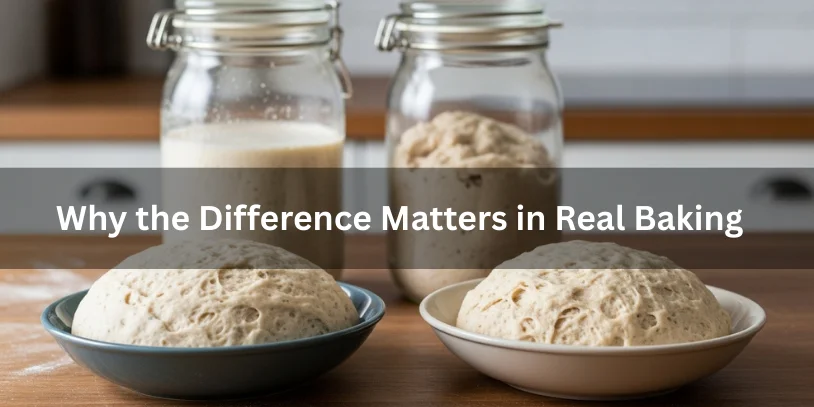
Many baking failures trace back to confusing discard with starter. Using discard in a bread recipe that expects an active starter often leads to:
- Dense or flat loaves
- Poor oven spring
- Overly sour flavor
- Sticky or weak dough structure
On the flip side, throwing discard away every time can feel wasteful and discouraging—especially for beginners.
Knowing which one you’re working with helps you:
- Choose the right recipe
- Avoid food waste
- Maintain a healthy starter
- Bake more consistently
In short, starter builds structure. Discard adds flavor.
When to Use Starter vs Discard
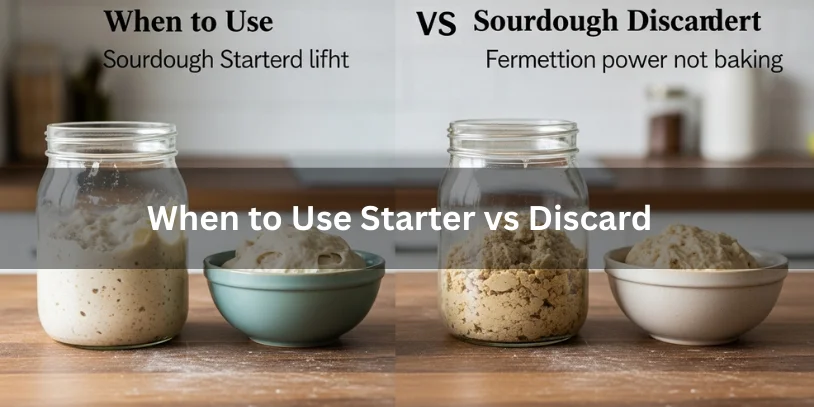
Use active sourdough starter when:
- Baking bread that relies on natural fermentation
- A recipe specifies “active,” “fed,” or “ripe” starter
- You need rise, volume, and dough strength
Typical uses include:
- Sourdough boules and batards
- Naturally leavened sandwich bread
- Pizza dough
- Focaccia
Use sourdough discard when:
- A recipe includes baking soda or baking powder
- Rise is not dependent on fermentation
- Flavor is more important than structure
Common discard recipes include:
- Pancakes and waffles
- Crackers
- Biscuits
- Banana bread
- Flatbreads
Discard works best when it supports, rather than replaces, another leavening method.
Can You Bake Bread with Sourdough Discard?
This is one of the most common questions—and the answer depends on expectations.
Short answer
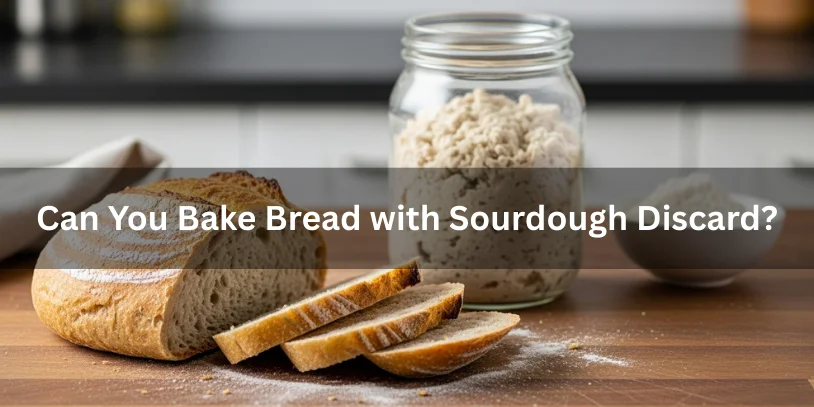
Discard cannot reliably replace active starter in bread recipes.
Longer explanation
Because discard has low yeast activity, it doesn’t produce enough gas to raise dough on its own. Some bakers combine discard with commercial yeast to add flavor while ensuring proper rise. Others re-feed discard until it becomes active again.
If a recipe depends entirely on natural fermentation, discard alone isn’t enough.
Can Discard Turn Back into Starter?
Yes. Discard isn’t dead—it’s just hungry.
How to reactivate sourdough discard
- Place discard in a clean glass jar
- Feed it equal parts flour and water (by weight)
- Mix thoroughly and loosely cover
- Leave at room temperature
- Watch for bubbles and volume increase over 6–12 hours
Once it shows consistent rise and activity, it functions as an active starter again.
How Discard Is Created (And Why It Smells Different)
Every time you feed a starter, you dilute acidity and give microorganisms fresh fuel. When a starter goes unfed:
- Yeast activity slows
- Acidity increases
- Alcohol byproducts build up
This often causes discard to smell sharper or more vinegary than starter. A dark liquid called hooch may form on top—this is a sign of hunger, not spoilage.
However, mold is different.
Safety: When Discard Is Safe—and When It’s Not
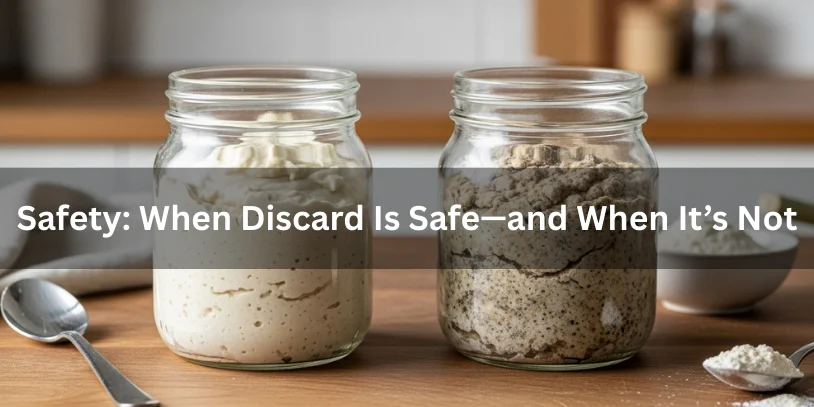
Discard is generally safe if:
- Stored in the refrigerator
- Smells tangy, yeasty, or mildly sour
- Has no fuzzy growth or unusual colors
Discard should be thrown away if:
- You see pink, orange, green, or black mold
- It smells rotten or putrid (not just sour)
- It was left unrefrigerated for extended periods
When in doubt, trust your senses. A clean sour smell is normal. Decay is not.
Storage Best Practices for Starter and Discard
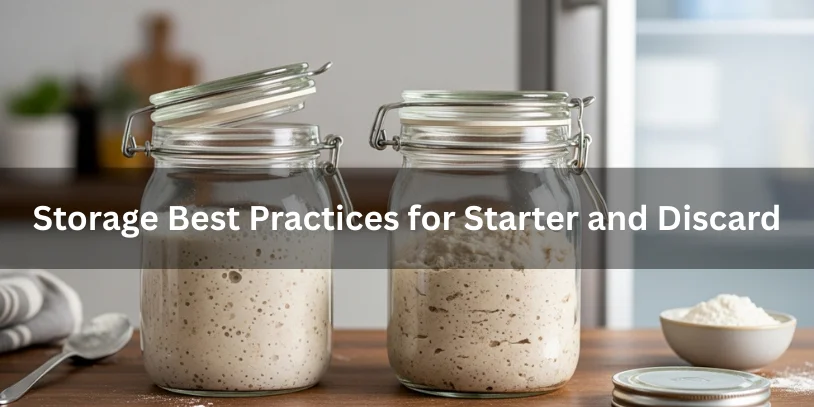
Starter storage
- Room temperature: daily feeding
- Refrigerator: weekly feeding
- Always loosely covered to allow gas to escape
Discard storage
- Refrigerate immediately after removal
- Use within 7–10 days for best quality
- Can be frozen for longer storage
Labeling jars clearly helps prevent mix-ups.
The Starter Lifecycle: A Simple Mental Model
Many bakers struggle because they see starter and discard as separate things. They’re not.
They’re stages of the same culture:
- Freshly fed → active starter
- Time passes → activity peaks
- No feeding → starter weakens
- Excess removed → discard
- Fed again → active starter
Understanding this cycle removes confusion and builds confidence.
Tools That Make Management Easier
You don’t need much, but a few tools help:
- Glass jar with straight sides
- Digital kitchen scale for feeding ratios
- Silicone spatula for clean mixing
- Refrigerator space for discard storage
Consistent feeding ratios, such as 1:1:1 (starter:flour:water by weight), help maintain balance.
Common Beginner Mistakes to Avoid
- Using discard as a direct substitute for starter
- Letting discard sit at room temperature too long
- Assuming strong smells always mean spoilage
- Throwing discard away unnecessarily
- Feeding without measuring, leading to imbalance
Avoiding these mistakes leads to better bread and less frustration.
FAQs
Is sourdough discard the same as starter?
No. Starter is fed and active, while discard is unfed and has little leavening power.
Why do you throw away sourdough starter?
To control growth, prevent excess acidity, and keep the starter healthy.
Can sourdough discard be used for bread?
Not by itself. It lacks the activity needed to raise dough unless re-fed or supported with yeast.
Is sourdough discard safe to eat?
Yes, if properly stored and free of mold.
How often should you discard starter?
Typically before each feeding during regular maintenance.
Can discard be frozen?
Yes. Freezing extends shelf life and preserves flavor for future use.
Why does sourdough discard smell stronger than starter?
Because it’s unfed, acidity and fermentation byproducts build up over time.
Conclusion
The difference between sourdough starter and discard isn’t mysterious—it’s about timing, feeding, and purpose. Starter is active and powerful, designed to raise bread. Discard is inactive but still valuable, perfect for adding flavor and reducing waste.
Once you understand how they relate, sourdough becomes less intimidating and far more enjoyable. You’ll bake better bread, waste less flour, and feel confident knowing exactly what’s happening in your jar.
Pingback: Lemon Doughnut Glaze Recipe: Easy 3-Ingredient Tangy Topping That Sets Perfectly - DreamWhip Bakers