

What Is a GAPS Cream Cheese Dessert?

A GAPS cream cheese dessert is a gut-healing, protocol-compliant sweet made with homemade fermented cream cheese, raw honey, and optional natural flavorings. It follows the principles of the GAPS Diet (Gut and Psychology Syndrome) developed by Dr. Natasha Campbell-McBride, focusing on healing the gut microbiome through nutrient-dense, additive-free foods.
Unlike conventional desserts, this one avoids refined sugar, stabilizers, gums, and industrial processing. When prepared correctly, it can fit into Full GAPS and Maintenance stages—and cautiously into later phases of GAPS Intro for those who tolerate dairy.
Is Cream Cheese Allowed on the GAPS Diet?

Yes—but only under strict conditions.
Cream cheese is allowed on GAPS if it is:
- Homemade
- Fermented (cultured)
- Free from gums, thickeners, and preservatives
- Made from tolerated dairy (cow, goat, or sheep milk)
Store-bought cream cheese is not GAPS-legal. Most commercial brands contain carrageenan, guar gum, xanthan gum, citric acid, or processing aids that disrupt gut healing.
This distinction is one of the most common sources of confusion—and accidental non-compliance.
Why Desserts Matter on a Gut-Healing Protocol

Desserts on GAPS are not about indulgence for its own sake. They serve practical purposes:
- Diet adherence: Enjoyable foods reduce burnout and increase long-term consistency
- Psychological support: Feeling deprived can stall progress
- Nutrient delivery: Fermented dairy and raw honey provide beneficial compounds
When used correctly, a GAPS-legal dessert supports both physiological healing and emotional sustainability.
The Core GAPS Cream Cheese Dessert Recipe

Ingredients (Basic Version)
- 1 cup homemade fermented cream cheese, room temperature
- 1–2 tablespoons raw honey (adjust to tolerance)
- ½ teaspoon alcohol-free vanilla extract or scraped vanilla bean
- Optional: pinch of cinnamon
Step-by-Step Method
- Place cream cheese in a glass or ceramic bowl.
- Allow it to fully reach room temperature (cold dairy is harder to digest).
- Add honey gradually, mixing gently with a silicone spatula.
- Stir in vanilla or spice until smooth.
- Chill for 20–30 minutes if you prefer a firmer texture.
Texture: Light, creamy, mildly tangy
Serving size: Start with 2–3 teaspoons when testing tolerance.
Stage-by-Stage GAPS Suitability
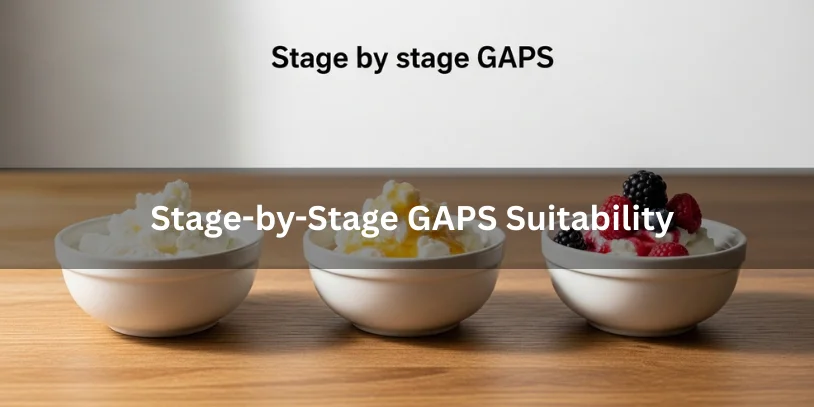
GAPS Intro Diet
- Not suitable for early Intro stages
- May be introduced cautiously in later Intro phases
- Use minimal honey (½ teaspoon or less)
- No fruit additions
Full GAPS Diet
- Fully allowed if dairy is tolerated
- Honey can be increased gradually
- Cooked, blended fruit may be added
Maintenance Phase
- Can be used more creatively
- May resemble a simple cheesecake filling
- Frequency should still be moderate
Ingredient Rules That Matter (and Why)
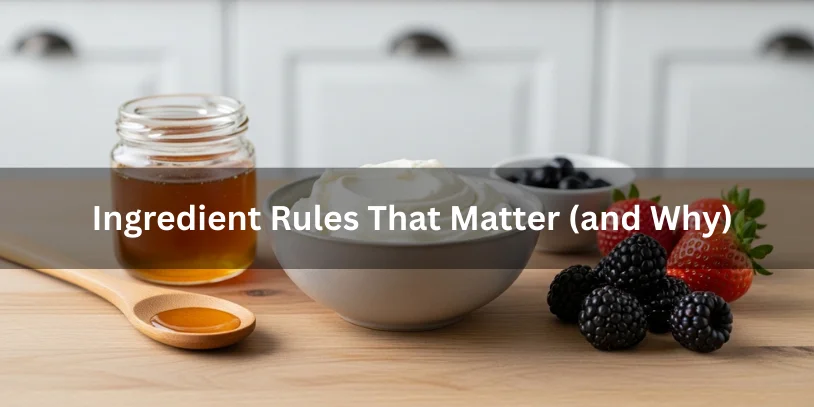
Cream Cheese
- Must be homemade and fermented
- Fermentation supports probiotic diversity
- Industrial processing strips enzymes and adds irritants
Sweeteners
Allowed:
- Raw honey (primary and preferred)
Not allowed:
- Maple syrup
- Coconut sugar
- Stevia
- Artificial sweeteners
Raw honey provides enzymes, antimicrobial properties, and a gentler glycemic impact when used in small amounts.
Optional Variations (When Tolerated)
Apple or Pear Cream Cheese Dessert
- Add 2–3 tablespoons of cooked, blended apple or pear
- Introduce only after fruit tolerance is established
Cinnamon Vanilla Version
- Ideal for those avoiding fruit
- Warming spices are often easier on digestion
Savory-Sweet Option
- Very mild honey + cinnamon
- Useful for those sensitive to sweetness
Common Mistakes to Avoid
These errors account for most negative reactions:
- Using store-bought cream cheese
- Adding too much honey too soon
- Eating the dessert cold straight from the fridge
- Introducing it before dairy tolerance is established
- Treating it as a daily food
A GAPS dessert is supportive, not a staple.
How to Test Tolerance Safely
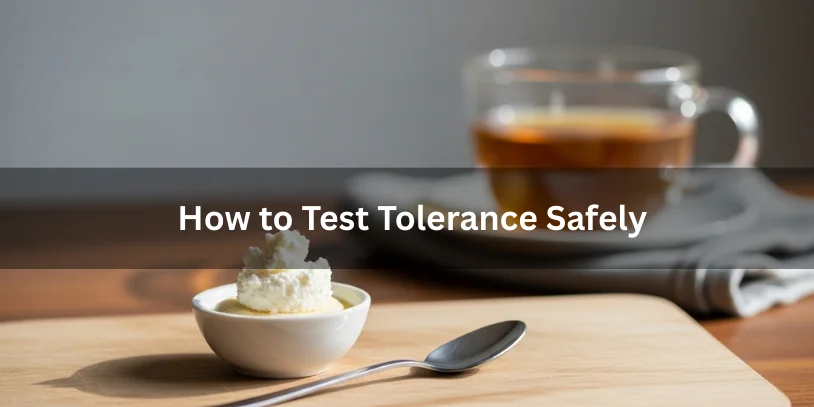
Use an elimination-style approach:
- Eat 1–2 teaspoons only
- Observe for 24 hours
- Track digestion, mood, skin, and sleep
- Increase gradually if no symptoms appear
Keeping a food journal can help identify subtle reactions.
Storage & Serving Guidance
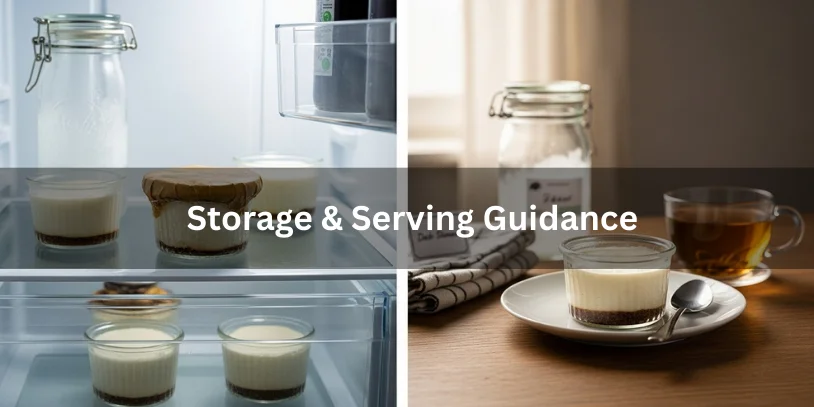
- Store in an airtight glass container
- Refrigerate up to 3 days
- Allow to warm slightly before eating
- Do not freeze (texture and probiotic quality degrade)
Nutritional & Functional Benefits
When tolerated, this dessert provides:
- Fermented dairy: Supports beneficial gut bacteria
- Healthy fats: Aid nutrient absorption
- Raw honey: Gentle energy source with antimicrobial effects
- Psychological relief: Reduces feelings of restriction
It aligns with the GAPS emphasis on nutrient density over empty calories.
Dairy-Free Alternatives (If Cream Cheese Isn’t Tolerated)
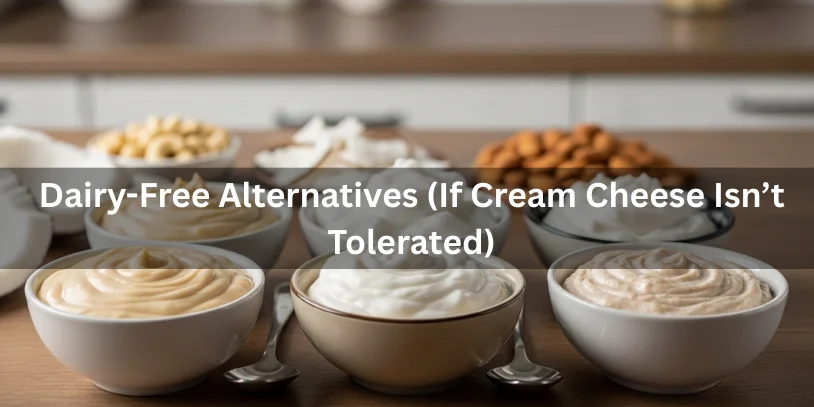
If you react to dairy, consider:
- Homemade fermented coconut yogurt (Full GAPS)
- Baked apple with honey and ghee
- Gelatin-based honey desserts
Avoid forcing dairy—healing is not linear, and timing matters.
Ingredient Sourcing Considerations
Because ingredient quality matters:
- Look for raw honey from local producers
- Source dairy from trusted farms when possible
- Be aware of regional regulations around raw milk
Searches like “raw honey near me” or “local dairy farm” can be helpful starting points.
How Often Can You Eat a GAPS Dessert?

For most people:
- 1–2 times per week is appropriate
- Daily consumption is discouraged
- Frequency should decrease if symptoms return
Desserts are tools—not rewards.
FAQs
Can you eat cream cheese on the GAPS diet?
Yes, but only if it is homemade, fermented, and free from additives.
Is store-bought cream cheese ever allowed?
No. Commercial cream cheese almost always contains non-GAPS ingredients.
Is honey allowed on the GAPS diet?
Yes. Raw honey is the primary approved sweetener.
When can you eat dessert on GAPS?
Usually during Full GAPS and Maintenance, and cautiously in later Intro stages.
Can kids eat GAPS cream cheese desserts?
Yes, in small amounts and only if dairy is well tolerated.
How much honey is too much?
More than 1–2 tablespoons per serving can overwhelm a healing gut.
What if I react to fermented dairy?
Pause, remove the food, and revisit later. Healing timelines differ.
Conclusion
A GAPS cream cheese dessert shows that gut healing doesn’t have to mean deprivation. When made with homemade fermented cream cheese, raw honey, and careful attention to timing and tolerance, it can be a safe, satisfying addition to the protocol.
Success with GAPS isn’t about perfection—it’s about understanding the rules, listening to your body, and making informed choices. Used thoughtfully, this dessert supports both healing and long-term sustainability.