
Is Sugar-Free Vanilla Syrup Bad for You? A Clear, Practical Answer
Sugar-free vanilla syrup isn’t automatically bad for you—but it isn’t harmless either. Its health impact depends on what sweeteners it contains, how often you use it, and your personal health context. For occasional use, most people tolerate it well. Daily or heavy use, however, can come with trade-offs that matter more than the lack of sugar alone.
To understand whether it belongs in your coffee routine, it helps to look beyond calories and examine ingredients, metabolism, gut health, cravings, and long-term habits.
What Sugar-Free Vanilla Syrup Actually Is
Sugar-free vanilla syrup is a flavored liquid sweetener designed to mimic traditional vanilla syrup without added sugar or significant calories. It’s commonly used in:
- Coffee and espresso drinks (lattes, cold brew, iced coffee)
- Protein shakes and smoothies
- Low-carb or keto desserts
- Café and coffee shop beverages
Instead of sugar, these syrups rely on artificial or non-nutritive sweeteners to deliver sweetness.
Common Ingredients and Why They Matter
Most sugar-free vanilla syrups contain a combination of the following:
Artificial and Non-Nutritive Sweeteners
- Sucralose – Very sweet, heat-stable, widely used
- Aspartame – Lower heat tolerance, metabolized differently
- Acesulfame potassium (Ace-K) – Often blended with sucralose
- Stevia extract – Plant-derived, sometimes mixed with other sweeteners
Supporting Ingredients
- Natural or artificial vanilla flavor
- Glycerin (texture and sweetness)
- Citric acid (acidity)
- Preservatives such as sodium benzoate
- Water
These ingredients are approved for use within acceptable daily intake (ADI) limits set by regulatory bodies such as the FDA and EFSA. Approval, however, does not mean “impact-free.”
So… Is Sugar-Free Vanilla Syrup Unhealthy?
Short answer: It depends on frequency, quantity, and individual sensitivity.
Sugar-free vanilla syrup removes the blood sugar spike of regular syrup, which is helpful for people managing diabetes or calorie intake. At the same time, artificial sweeteners can affect insulin signaling, gut bacteria, appetite regulation, and taste preferences—especially when consumed daily.
The key issue isn’t toxicity. It’s long-term metabolic and behavioral effects.
How Artificial Sweeteners Affect the Body
Blood Sugar and Insulin Response
Sugar-free syrups don’t raise blood glucose the way sugar does. However, research shows that some sweeteners can still:
- Trigger a mild insulin response
- Alter insulin sensitivity over time
- Confuse the body’s sweet-taste signaling
For people with type 2 diabetes or insulin resistance, this means sugar-free does not always equal “neutral.”
Gut Microbiome Effects
The gut microbiome plays a central role in digestion, immunity, and metabolic health. Emerging evidence suggests that certain artificial sweeteners—particularly sucralose and Ace-K—may:
- Reduce beneficial gut bacteria
- Shift microbial balance
- Contribute to bloating or digestive discomfort in sensitive individuals
Not everyone experiences this, but it becomes more relevant with daily, repeated exposure.
Appetite, Cravings, and the “Sweet Loop”
One overlooked effect of sugar-free syrups is how they influence appetite:
- Sweet taste without calories can increase cravings later
- Some people compensate by eating more sugar elsewhere
- The brain may learn to expect sweetness constantly
This “sweet loop” can make weight management harder, even without added calories.
Sugar-Free Vanilla Syrup and Weight Loss
Sugar-free vanilla syrup can support weight loss short-term, especially when replacing high-sugar coffee drinks. Over time, however:
- Appetite dysregulation may counteract calorie savings
- Reliance on sweet flavors can slow taste adaptation
- Stacking multiple sugar-free products increases exposure
For sustainable weight loss, it’s often better used as a transition tool, not a permanent crutch.
Is Sugar-Free Vanilla Syrup Safe for Diabetics?

For most people with diabetes, sugar-free vanilla syrup is safer than sugar-based syrup in terms of blood glucose spikes. Still, important considerations include:
- Individual insulin response varies
- Some sweeteners increase appetite
- Portion size and frequency matter
Monitoring personal blood sugar response is more useful than assuming zero impact.
Keto and Low-Carb Diets: Helpful or Harmful?

Sugar-free vanilla syrup is technically keto-friendly because it contains no digestible carbs. From a metabolic perspective, though:
- Sweeteners may interfere with appetite control
- Cravings can persist longer
- Some people stall weight loss despite staying “in ketosis”
Many keto practitioners eventually reduce reliance on sweeteners altogether.
Sugar-Free vs Regular Vanilla Syrup
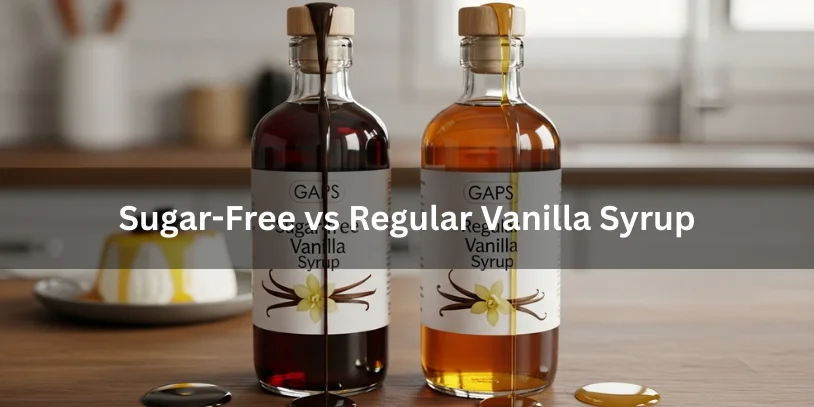
| Aspect | Sugar-Free Vanilla Syrup | Regular Vanilla Syrup |
|---|---|---|
| Calories | Near zero | High |
| Sugar | None | High |
| Glycemic impact | Low | High |
| Gut impact | Possible | Minimal |
| Cravings | Can increase | Usually short-lived |
| Best use | Occasional | Occasional |
Neither option is ideal for daily use. The “better” choice depends on your health priorities.
Stevia vs Sucralose: Is One Better?
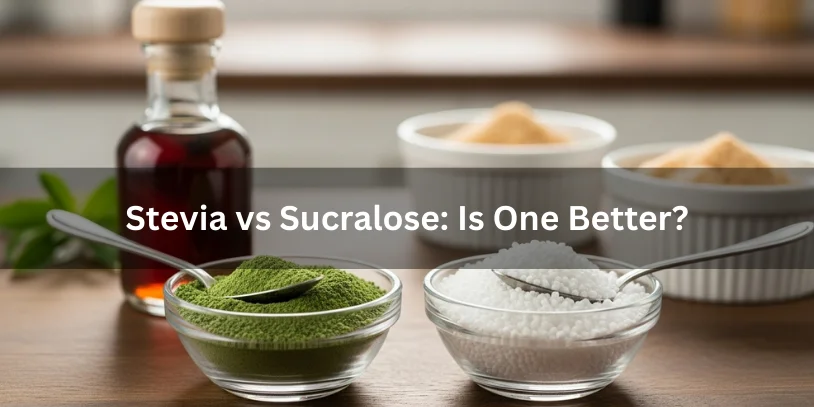
Stevia-based syrups are often marketed as healthier. In practice:
- Pure stevia tends to have fewer gut effects
- Many stevia syrups are blended with sucralose
- Taste tolerance varies widely
Reading ingredient labels matters more than marketing claims.
Coffee-Specific Use: Why This Context Matters
Coffee is the most common use case for sugar-free vanilla syrup. In this context:
- Sweeteners are often consumed daily
- They’re stacked with milk alternatives and flavorings
- Habitual use is easy to underestimate
A daily “skinny vanilla latte” can expose you to artificial sweeteners more consistently than you realize.
Who Should Limit or Avoid Sugar-Free Vanilla Syrup
You may want to reduce or avoid sugar-free vanilla syrup if you:
- Have digestive issues or IBS
- Experience headaches or bloating after sweeteners
- Are pregnant and minimizing additives
- Have PKU (must avoid aspartame)
- Consume multiple sugar-free products daily
Sensitivity varies, but patterns matter.
How Often Is “Too Often”?
There’s no universal cutoff, but practical guidance looks like this:
- Occasional use (1–2 times/week): Low concern for most people
- Moderate use (a few times/week): Monitor cravings and digestion
- Daily use: Consider alternatives or rotation
- Multiple servings daily: Higher likelihood of unwanted effects
Moderation is about frequency, not just portion size.
Healthier Alternatives to Sugar-Free Vanilla Syrup

If you want sweetness with fewer downsides, consider:
- Pure vanilla extract + a small amount of erythritol
- Monk fruit sweetener blends
- Cinnamon, nutmeg, or cocoa powder for flavor
- Gradually reducing sweetness altogether
These options support taste adaptation over time.
Common Myths About Sugar-Free Syrups
- “Sugar-free means healthy.”
It means lower sugar, not zero impact. - “No calories means no consequences.”
Appetite and gut effects still matter. - “All sweeteners are the same.”
They differ significantly in metabolism and tolerance.
Making a Smarter Decision: A Simple Framework
Ask yourself:
- How often am I using this?
- Do I notice cravings or digestive changes?
- Am I stacking multiple artificial sweeteners?
- Is this supporting my long-term habits—or just masking them?
Your answers matter more than any label.
FAQs
Is sugar-free vanilla syrup bad for you every day?
Daily use may affect gut health, cravings, or insulin signaling in some people. Occasional use is generally better tolerated.
Can diabetics drink sugar-free vanilla syrup?
Most can, but individual blood sugar responses vary. Monitoring is important.
Does sugar-free vanilla syrup cause weight gain?
Indirectly, it can by increasing cravings or appetite, especially with frequent use.
Why does sugar-free syrup upset my stomach?
Some artificial sweeteners can alter gut bacteria or cause digestive sensitivity.
Is stevia syrup healthier than sucralose syrup?
Often yes, especially if it’s not blended with other sweeteners—but labels matter.
Is sugar-free vanilla syrup keto-friendly?
Yes in carb terms, though it may still affect appetite regulation.
Can children consume sugar-free vanilla syrup?
Occasionally, but it’s better to limit exposure to artificial sweeteners.
Conclusion
Sugar-free vanilla syrup isn’t inherently dangerous, but it’s not a nutritional upgrade either. It can be a useful tool for reducing sugar—especially in coffee—but daily reliance may affect gut health, appetite, and metabolic balance over time.
Used occasionally and thoughtfully, it fits into many lifestyles. Used automatically and frequently, it may quietly work against the very health goals it’s meant to support.