

Can You Eat Tiramisu During Pregnancy?

The short answer most people want is simple: traditional tiramisu is not considered safe during pregnancy. That’s because classic recipes include raw eggs, alcohol, and espresso, all of which raise safety concerns for pregnant individuals.
That said, not all tiramisu is the same. Some versions are modified to remove these risks. This guide explains what makes tiramisu unsafe, when it might be acceptable, and how to make safer choices—whether you’re eating out, buying dessert, or cooking at home.
What Is Tiramisu Made Of?

Tiramisu is a well-known Italian dessert traditionally layered with:
- Savoiardi (ladyfinger biscuits)
- Espresso or strong coffee
- Mascarpone cheese
- Eggs (often raw or lightly whipped)
- Sugar
- Cocoa powder
- Alcohol such as Marsala wine, rum, or coffee liqueur
Each of these ingredients matters during pregnancy, and some are riskier than others.
Why Tiramisu Matters During Pregnancy

Pregnancy changes how the body responds to foodborne bacteria, alcohol, and stimulants like caffeine. The immune system is more vulnerable, and certain exposures can affect fetal development—especially in early pregnancy.
Desserts are often overlooked as a risk source, which is why tiramisu comes up so often in questions like:
- “I had a bite—should I worry?”
- “Is store-bought safer than restaurant tiramisu?”
- “Can alcohol really cook off in desserts?”
Let’s break it down clearly.
Ingredient-by-Ingredient Safety Breakdown

Raw or Lightly Cooked Eggs
Risk level: High
Traditional tiramisu uses raw eggs to create a light, creamy texture. Raw eggs can carry Salmonella, a bacteria that can cause severe foodborne illness.
During pregnancy, Salmonella infection can lead to:
- High fever
- Dehydration
- Hospitalization
- Increased stress on the fetus
Only pasteurized eggs significantly reduce this risk.
Alcohol (Marsala Wine, Rum, Liqueurs)
Risk level: High
There is no established safe level of alcohol during pregnancy. Alcohol exposure has been linked to Fetal Alcohol Spectrum Disorders (FASD).
A common myth is that alcohol “cooks off” in desserts. In tiramisu:
- Alcohol is usually not heated
- It is often added directly to coffee or brushed onto biscuits
This means alcohol content remains.
Espresso and Coffee
Risk level: Moderate
Tiramisu contains espresso or strong coffee. While caffeine isn’t forbidden in pregnancy, most guidelines recommend limiting intake to about 200 mg per day.
One serving of tiramisu may contain:
- Espresso-soaked biscuits
- Coffee-flavored creams
- Additional chocolate or cocoa
It’s easy to underestimate how much caffeine you’re consuming.
Mascarpone Cheese
Risk level: Low (usually)
Mascarpone is typically made from pasteurized milk, which makes it safe during pregnancy. Problems arise only if:
- The cheese is unpasteurized
- The dessert is made in small, artisanal settings without clear labeling
Is Tiramisu Ever Safe During Pregnancy?
It can be, but only under specific conditions.
A Tiramisu Is Potentially Pregnancy-Safe If:
- Eggs are pasteurized or fully cooked
- No alcohol is used at all
- Coffee is decaffeinated or omitted
- Ingredients are clearly labeled and properly refrigerated
If even one of these conditions isn’t met, it’s best to avoid it.
Traditional vs Pregnancy-Safe Tiramisu
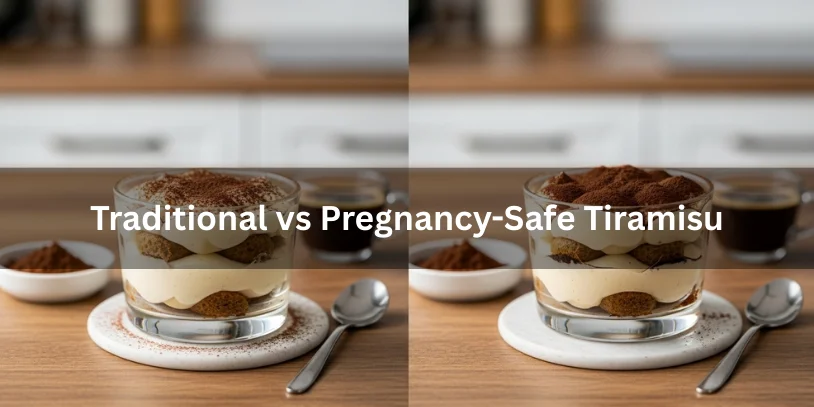
| Feature | Traditional Tiramisu | Pregnancy-Safe Version |
|---|---|---|
| Eggs | Raw | Pasteurized or egg-free |
| Alcohol | Marsala/rum | None |
| Coffee | Espresso | Decaf or cocoa |
| Risk Level | High | Low (with moderation) |
Store-Bought vs Restaurant vs Homemade

Restaurant Tiramisu
Often the riskiest option.
- Many restaurants follow traditional Italian recipes
- Staff may not know whether eggs are pasteurized
- Alcohol is commonly included
Store-Bought Tiramisu
Can be safer, but requires label reading.
- Commercial brands often use pasteurized eggs
- Alcohol-free versions exist
- Coffee content still matters
Homemade Tiramisu
The safest option if modified correctly.
- Full control over ingredients
- Easy to remove alcohol and raw eggs
- Can adjust caffeine levels
What If You Already Ate Tiramisu While Pregnant?
This is one of the biggest anxieties—and the most common.
If you:
- Had a small amount
- Didn’t get sick afterward
- Ate it once, not regularly
The risk is generally low. Most healthcare providers advise monitoring for symptoms rather than panicking.
Symptoms to watch for include:
- Fever
- Vomiting
- Diarrhea
- Severe stomach cramps
If symptoms appear, contact a healthcare provider promptly.
Trimester-Based Considerations
- First trimester: Extra caution due to early fetal development
- Second trimester: Risks remain, but anxiety is often lower
- Third trimester: Foodborne illness can be more physically taxing
At any stage, the same ingredient risks apply.
Can Pregnant Women Eat Tiramisu?
Tiramisu is a delicious Italian dessert made with ladyfingers, coffee, mascarpone cheese, eggs, and sometimes alcohol (like Marsala wine or rum).
Key Risks for Pregnant Women
Mascarpone cheese made from unpasteurized milk may contain Listeria, which is risky during pregnancy.
Raw Eggs
Traditional tiramisu uses raw or lightly cooked eggs.
Raw eggs can carry Salmonella, which can be harmful during pregnancy.
Alcohol Content
Many recipes include liqueurs (Marsala, rum, or coffee liqueur).
Alcohol can affect fetal development, even in small amounts.
Unpasteurized Dairy
i accidentally ate tiramisu while pregnant
If you accidentally ate tiramisu while pregnant, don’t panic.
In most cases, a small amount is unlikely to cause harm, especially if it was from a restaurant or store, since many use pasteurized eggs and minimal alcohol.
Why there can be concern
Traditional tiramisu may contain:
- Raw eggs (risk of Salmonella)
- Alcohol
- Rarely, unpasteurized dairy
But the risk from a single serving is generally low.
What to do now
- Stay calm.
- Monitor for symptoms over the next 6–48 hours, such as:
- Fever
- Diarrhea
- Vomiting
- Severe stomach cramps
If you feel fine, you likely don’t need to do anything further.
If you develop symptoms, contact your healthcare provider and let them know you may have eaten food containing raw eggs.
Pregnancy-Safe Alternatives to Tiramisu

If you’re craving the flavor and texture, there are safer options:
Good Alternatives
- Eggless tiramisu
- Alcohol-free tiramisu
- Coffee-free mascarpone desserts
- Vanilla or chocolate layered desserts
- Sponge cake with cream and cocoa
Common Ingredient Swaps
- Raw eggs → pasteurized custard or whipped cream
- Espresso → decaf coffee or cocoa
- Alcohol → vanilla extract or coffee syrup
How to Check If a Dessert Is Safe (Quick Guide)
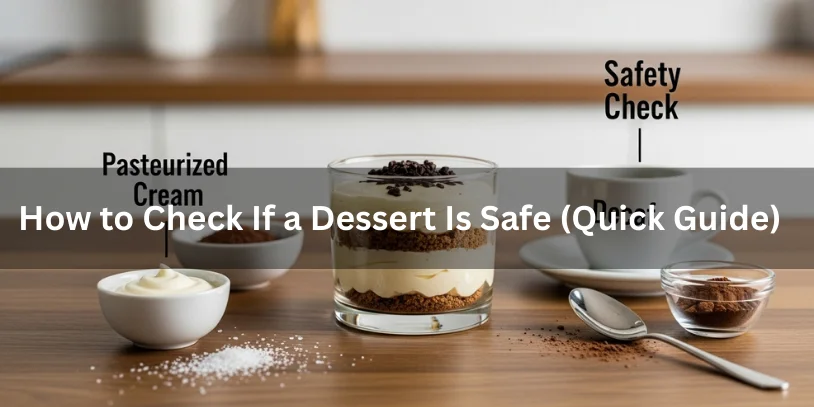
When eating out or buying dessert, ask:
- Are the eggs pasteurized?
- Is there any alcohol added?
- Is coffee used, and is it decaf?
- How is it stored and prepared?
If answers are unclear, it’s okay to skip it.
can i eat tiramisu while pregnant
Yes… sometimes. It depends on what kind of tiramisu it is.
Most “classic” tiramisu is made with raw eggs and sometimes a splash of alcohol—that’s why doctors usually say avoid it during pregnancy. If it’s a pregnancy-safe version (pasteurized eggs or egg-free, no alcohol, pasteurized dairy), then it’s generally fine.
Quick “can I eat it?” check
- Yes if: egg-free / pasteurized eggs + no alcohol + from a clean, reputable place
- No if: homemade with raw eggs, or you’re not sure what’s inside
Already had a few bites? Don’t stress. Just watch for an upset stomach, vomiting/diarrhea, or fever—and call your doctor if you feel unwell.
Common Mistakes to Avoid
- Assuming all store-bought tiramisu is safe
- Believing alcohol “doesn’t count” in desserts
- Forgetting to count caffeine from desserts
- Feeling guilty or panicked after accidental consumption
tiramisu pregnancy safe
Tiramisu is only pregnancy-safe when it’s made the “safe” way. The risky versions use raw eggs and sometimes alcohol.
Use it if you can confirm:
- no raw/undercooked eggs (pasteurized eggs or egg-free filling)
- no alcohol (no rum, Marsala, liqueur)
- pasteurized mascarpone/cream
- coffee kept moderate
If you’re not sure what’s in it, it’s better to skip it.
tiramisu during pregnancy
You can eat tiramisu in pregnancy, but only the “safe” kind.
If it’s the classic version (raw eggs, sometimes alcohol), I’d skip it. If it’s made with pasteurized eggs or no eggs, no alcohol, and pasteurized dairy, it’s fine.
If you can’t confirm what they used, it’s not worth the risk.
can pregnant people have tiramisu
Pregnant people can have tiramisu — but only if it’s made the “safe” way.
Most traditional tiramisu is made with raw or lightly cooked eggs, which is why Mayo Clinic lists tiramisu as something to avoid when it may contain raw/partly cooked eggs. And if it contains rum/Marsala, that’s also a no, because Centers for Disease Control and Prevention says there’s no known safe amount of alcohol in pregnancy.
What’s okay: tiramisu made with pasteurized eggs (or no eggs), no alcohol, and pasteurized dairy.
If a bakery can’t clearly confirm those, I’d skip it and pick a cooked dessert instead.
is tiramisu safe for pregnancy
Most classic tiramisu isn’t pregnancy-safe, because it’s often made with raw/partly cooked eggs (like in traditional mascarpone cream) and sometimes alcohol. Mayo Clinic specifically lists tiramisu as an example of foods that may contain raw/partly cooked eggs to avoid in pregnancy.
If you’re craving it, you can have tiramisu when it’s made like this:
- Eggs are pasteurized or the filling is cooked/egg-free (safer choice in pregnancy)
- No alcohol at all (no rum/Marsala/liqueur) Centers for Disease Control and Prevention says there’s no known safe amount in pregnancy
- Pasteurized dairy (mascarpone/cream)
What I’d do at a bakery: ask, “Are the eggs pasteurized/cooked, and is there any alcohol?” If they can’t answer clearly, I’d skip it.
FAQs
1. Can pregnant women eat tiramisu without alcohol?
Only if it also uses pasteurized eggs and limits caffeine. Alcohol-free alone isn’t enough.
2. Is store-bought tiramisu safe during pregnancy?
Sometimes. Check labels for pasteurized eggs, no alcohol, and caffeine content.
3. Is mascarpone cheese safe during pregnancy?
Yes, when made from pasteurized milk, which is common.
4. Can one bite of tiramisu harm my baby?
A single bite is unlikely to cause harm, especially if no illness followed.
5. Are Italian desserts generally unsafe in pregnancy?
Not all. The risk depends on ingredients like raw eggs, alcohol, and unpasteurized dairy.
6. Is homemade tiramisu safer during pregnancy?
Yes, if you modify the recipe to remove raw eggs, alcohol, and strong coffee.
7. Can I eat tiramisu later in pregnancy?
The same safety rules apply in all trimesters.
Conclusion
Tiramisu is a beloved dessert, but traditional versions aren’t pregnancy-friendly due to raw eggs, alcohol, and caffeine. The safest approach is to avoid classic tiramisu, choose clearly labeled alternatives, or enjoy a modified homemade version.
If you’ve already had some, don’t panic. Focus on how much you ate, whether you feel well, and what you’ll choose next time. In pregnancy, informed decisions—not perfection—are what matter most.