
Almond meal is widely used in baking, gluten-free cooking, and low-carb recipes because it adds moisture, fat, and a soft texture. But sometimes it’s unavailable, too expensive, unsuitable for allergies, or simply not the right fit for a recipe.
Knowing how to replace almond meal properly ensures cakes don’t collapse, cookies don’t dry out, and breads still hold structure. The right alternative depends on what you’re making, your dietary needs, and the texture you want.
This guide covers practical substitutes, correct ratios, baking science, and decision frameworks to help you get reliable results every time.
What Almond Meal Is and How It Works in Recipes
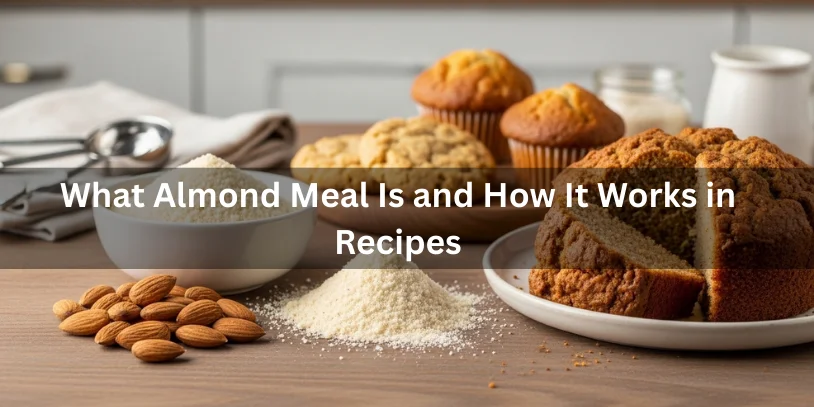
Almond meal is made by grinding whole almonds with their skins. It’s slightly coarse, rich in natural oils, and naturally gluten-free.
In baking, it plays several roles:
- Adds moisture and fat
- Provides structure in gluten-free recipes
- Creates a tender crumb
- Adds mild nutty flavor
It’s often confused with almond flour, which is finer and made from blanched almonds. Almond flour produces lighter textures, while almond meal gives more density.
Why You Might Need to Replace Almond Meal
People replace almond meal for several practical reasons:
- Nut allergies
- High cost compared to other flours
- Limited availability in local stores
- Keto vs non-keto diet preferences
- Flavor considerations
- Recipe adjustments
For home bakers, the biggest fear is recipe failure—dense cakes, dry muffins, or crumbly cookies. That usually happens when substitutes don’t match almond meal’s fat content and moisture.
Best Almond Meal Substitutes (Quick Comparison)
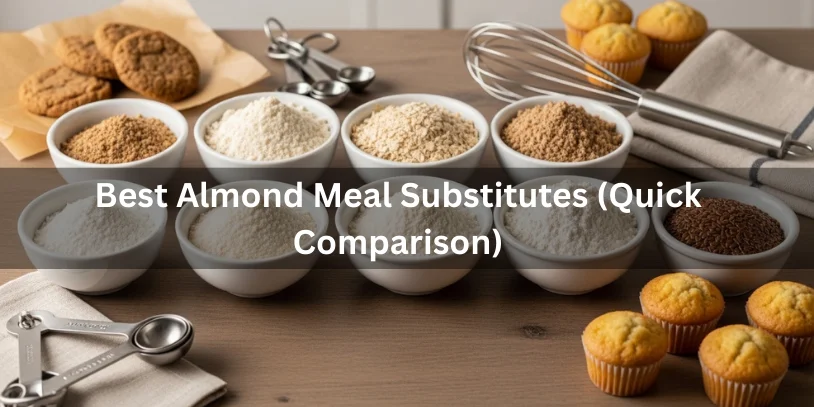
| Substitute | Best Use | Ratio | Texture Result | Dietary Fit |
|---|---|---|---|---|
| Oat flour | Cakes, muffins, pancakes | 1:1 | Soft and fluffy | Gluten-free (certified) |
| Sunflower seed flour | Keto and nut-free baking | 1:1 | Similar density | Nut-free |
| Coconut flour | Low-carb recipes | ¼–⅓ amount | Absorbent, dense | Keto, gluten-free |
| All-purpose flour | Standard baking | 1:1 | Structured | Not gluten-free |
| Flaxseed meal | Dense recipes | 1:1 | Heavier texture | Vegan, keto |
| Chickpea flour | Savory dishes | 1:1 | Firm | High protein |
| Cashew flour | Premium baking | 1:1 | Smooth, moist | Keto-friendly |
The Closest Substitutes to Almond Meal
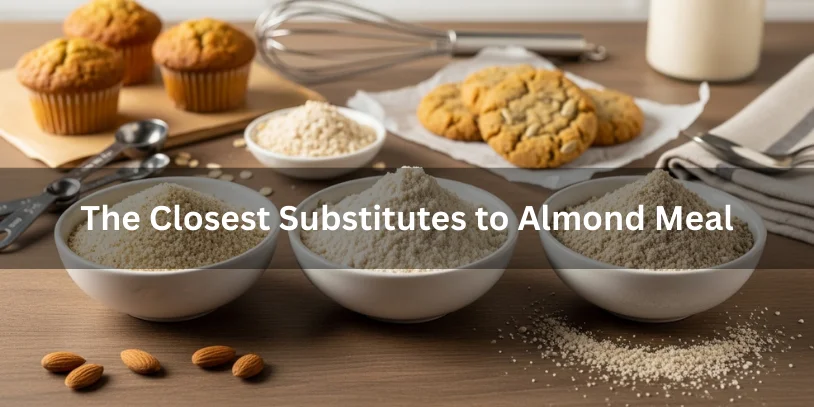
Oat Flour
A reliable replacement in cakes, muffins, and pancakes. It produces soft textures and is widely available worldwide.
Best for:
- Everyday baking
- Budget-friendly recipes
- Gluten-free cooking
Sunflower Seed Flour
A strong alternative for nut-free and keto baking. It closely mimics the density of almond meal.
Best for:
- Allergy-safe recipes
- Low-carb baking
Coconut Flour
Highly absorbent and very different structurally. Requires less quantity and more liquid.
Best for:
- Keto breads and cakes
- Low-carb baking
All-Purpose Flour
The easiest option for standard baking but removes gluten-free benefits.
Best for:
- Quick substitutions
- Non-diet-specific recipes
Substitution Ratios That Actually Work
Using the right ratio is the difference between success and failure.
Standard Replacement Rules
- Oat flour: 1:1
- Sunflower seed flour: 1:1
- All-purpose flour: 1:1
- Coconut flour: use ¼–⅓ amount
- Flaxseed meal: 1:1 (add extra moisture)
Coconut flour absorbs more liquid than any other substitute. Without adjusting liquids, baked goods become dry and crumbly.
How to Replace Almond Meal Step by Step
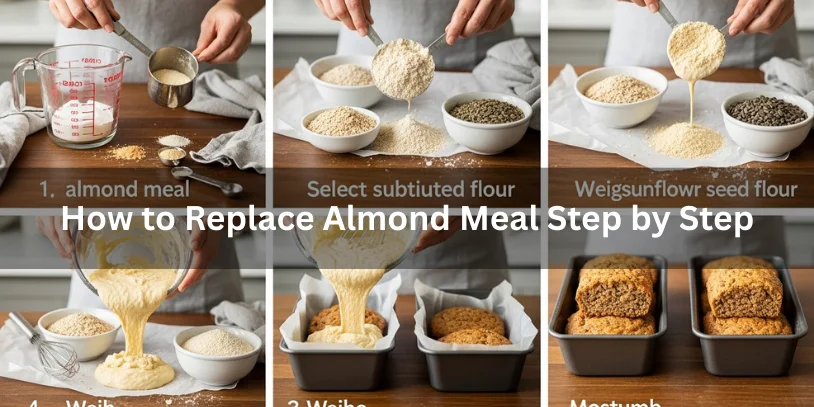
- Identify the recipe type (cake, cookie, bread, pancake).
- Determine dietary needs (gluten-free, keto, nut-free).
- Select the most compatible flour.
- Apply the correct ratio.
- Adjust moisture using eggs, milk, or oil.
- Test a small batch before scaling.
This simple process prevents wasted ingredients and ensures predictable results.
Recipe-Based Replacement Guide
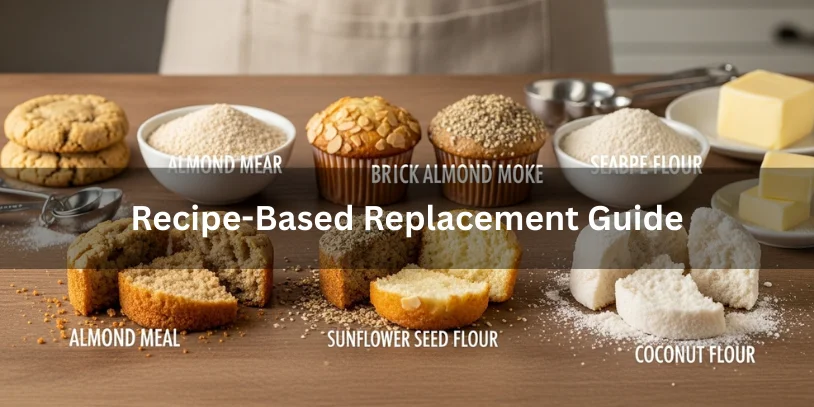
Cakes
Best options:
- Oat flour
- Cashew flour
- Sunflower seed flour
Avoid heavy substitutes like chickpea flour unless it’s a dense cake.
Cookies
Best options:
- Cashew flour
- Oat flour
- All-purpose flour
Add butter or oil if texture feels dry.
Bread
Best options:
- Coconut flour with eggs
- Flaxseed meal
Structure support is essential.
Pancakes & Waffles
Best options:
- Oat flour
- All-purpose flour
These produce soft, fluffy textures.
Diet-Specific Alternatives
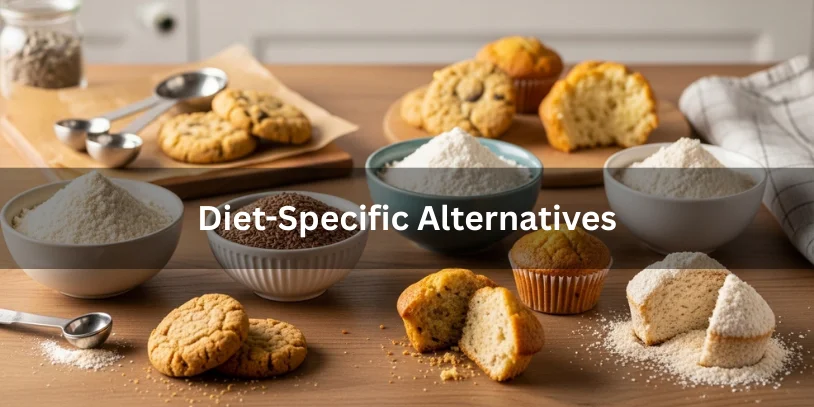
Gluten-Free Baking
- Oat flour (certified gluten-free)
- Coconut flour
- Sunflower seed flour
Keto Diet
- Coconut flour
- Flaxseed meal
- Sunflower seed flour
Nut Allergies
- Sunflower seed flour
- Pumpkin seed flour
- Oat flour
Vegan Baking
- Flaxseed meal
- Chickpea flour
- Oat flour
Texture and Baking Science Explained
Almond meal contains natural fats and moisture. Replacing it with low-fat flours changes structure.
Key factors:
- Fat = softness and moisture
- Fiber = absorbency
- Protein = structure
- Particle size = texture
If a substitute lacks fat, add:
- Oil
- Butter
- Yogurt
If it absorbs too much liquid, increase:
- Eggs
- Milk
Understanding these adjustments improves baking consistency.
Cost and Availability Worldwide
Almond meal is often premium-priced because almonds are expensive.
Typical affordability trend:
- All-purpose flour: cheapest
- Oat flour: budget-friendly
- Coconut flour: mid-range
- Almond meal: premium
Global availability:
- Oats: widely accessible
- Coconut flour: common in tropical regions
- Sunflower flour: less common but growing
- Almond products: expensive in many markets
For many households, oat flour becomes the most practical everyday substitute.
Homemade Almond Meal Alternatives

You can make substitutes at home using basic tools.
Using a Food Processor
- Grind oats for oat flour
- Grind sunflower seeds
- Grind flaxseeds
Pulse gently to avoid turning seeds into paste.
Sifting
Use a sieve to create finer textures for cakes and pastries.
Common Mistakes to Avoid
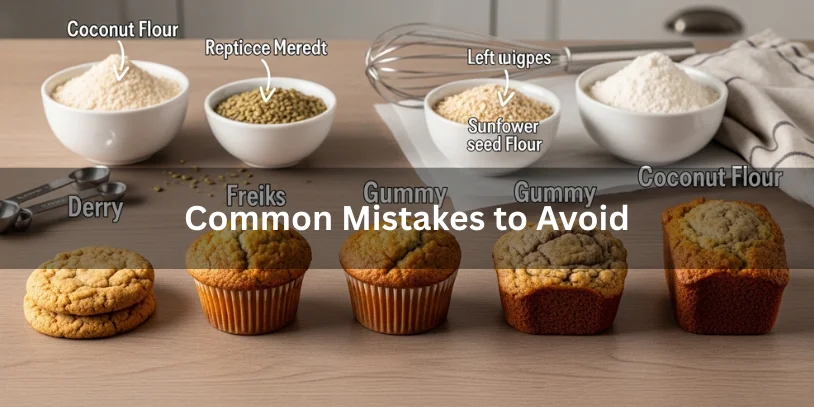
- Replacing coconut flour 1:1
- Ignoring moisture adjustments
- Using dense flours in delicate cakes
- Overmixing batter
- Not testing first
These mistakes lead to dry, dense, or crumbly results.
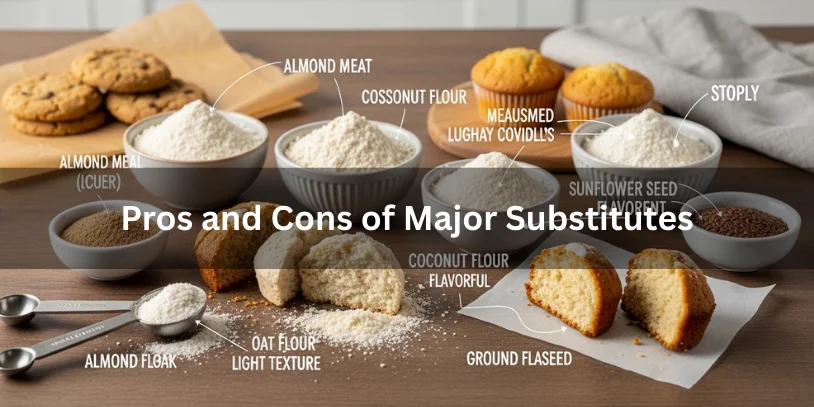
Pros and Cons of Major Substitutes
Oat Flour
Pros:
- Affordable
- Neutral taste
- Easy to use
Cons:
- Not keto
Coconut Flour
Pros:
- Low carb
- High fiber
Cons:
- Difficult ratios
- Absorbs moisture quickly
Sunflower Seed Flour
Pros:
- Nut-free
- Good structure
Cons:
- Slight earthy flavor
All-Purpose Flour
Pros:
- Reliable structure
- Easy replacement
Cons:
- Contains gluten
Decision Guide: Choosing the Right Replacement
Use this framework:
If allergy is the concern →
Choose sunflower or oat flour
If keto diet →
Choose coconut or flaxseed
If baking cakes →
Choose oat or cashew flour
If budget matters →
Choose oat or all-purpose flour
If structure is critical →
Use a blend of flours
Nutrition Differences to Consider
Almond meal is high in:
- Healthy fats
- Protein
- Vitamin E
Substitutes differ:
- Oat flour: higher carbs
- Coconut flour: higher fiber
- Flaxseed meal: omega-3 rich
- Chickpea flour: protein-rich
Choosing depends on health goals and dietary patterns.
When Not to Replace Almond Meal
Some recipes rely heavily on almond meal’s fat and density, especially:
- Macarons
- Keto pastries
- Flourless cakes
Replacing it in these recipes may change results significantly.
Practical Use Cases
- Home baker improvising without almond meal
- Allergy-safe baking for family
- Keto recipe adjustment
- Budget-friendly recipe swaps
- Professional kitchens managing ingredient shortages
Each case requires a different substitute approach.
FAQs
What is the closest substitute for almond meal?
Oat flour and sunflower seed flour are the closest in texture and baking performance.
Can I use almond flour instead of almond meal?
Yes. Almond flour is finer and produces lighter baked goods, so texture may change slightly.
How much coconut flour replaces almond meal?
Use about ¼ to ⅓ of the amount and increase liquid or eggs.
What works best for nut allergies?
Sunflower seed flour and oat flour are safe and effective.
Is oat flour a good substitute in cookies?
Yes. It creates soft cookies and works well in most recipes.
What is the cheapest alternative?
All-purpose flour and oat flour are usually the most affordable options globally.
Can I make a substitute at home?
Yes. Grind oats, seeds, or nuts in a food processor and sift for better texture.
Which substitute works best for keto recipes?
Coconut flour and flaxseed meal are common choices for low-carb baking.
Conclusion
Replacing almond meal becomes easy when you match the substitute to the recipe, dietary needs, and texture goals.
Start by identifying the purpose almond meal serves in your recipe—moisture, structure, or flavor—then choose a replacement that provides the same function. Apply the right ratio, adjust liquids, and test small batches for consistent results.
With the right approach, you can bake successfully without almond meal using affordable, accessible, and diet-friendly alternatives.