

What Is a Single Serve Vanilla Cake?

A single serve vanilla cake is a small, one-portion cake designed to serve exactly one person. It’s made with minimal ingredients, mixed quickly, and baked or microwaved in a mug, ramekin, or small dish. The result is a soft, vanilla-forward cake with no leftovers and no complicated prep.
This type of cake sits at the intersection of mug cakes, small batch baking, and portion-control desserts. Unlike traditional cakes, it prioritizes speed, simplicity, and predictability—perfect when you want cake now, not an hour from now.
Why Single Serve Vanilla Cake Exists (And Why It Matters)

Traditional cake recipes are built for families, gatherings, or celebrations. But modern eating habits look very different.
A single serve vanilla cake exists because:
- Many people live alone or in small households
- Portion control matters more than ever
- Late-night cravings don’t justify full-size baking
- Food waste is a real concern
From a practical perspective, this cake solves multiple problems at once:
- No leftovers
- No storage
- No overindulgence
- No wasted ingredients
It delivers the comfort of homemade cake without the commitment.
Who This Cake Is For
A vanilla cake for one fits a wide range of lifestyles:
- Students in dorms with limited kitchen access
- Busy professionals who want a fast dessert
- Home bakers testing flavors or techniques
- Health-conscious eaters practicing portion control
- Anyone who wants a quick dessert without sharing
If you’ve ever thought, “I want cake, but not a whole cake,” this is for you.
When a Single Serve Vanilla Cake Makes Sense

This cake shines in moments where time, space, or energy are limited:
- Late-night dessert cravings
- Small kitchens or studio apartments
- Quick celebrations for one
- Testing dietary substitutions
- Teaching beginners how baking works
It’s especially useful in homes where microwaves or air fryers are more accessible than full ovens.
Single Serve Vanilla Cake vs Regular Cake

| Feature | Single Serve Vanilla Cake | Regular Vanilla Cake |
|---|---|---|
| Servings | 1 | 8–12 |
| Prep time | 5 minutes | 30–60 minutes |
| Equipment | Mug or ramekin | Mixer, pans |
| Cooking time | 1–10 minutes | 25–45 minutes |
| Storage | None | Required |
| Waste | None | Possible |
If convenience, speed, and portion control are priorities, the single serving version wins.
Ingredients Explained (And Why Each One Matters)

Small bowls of flour, sugar, eggs, butter, and vanilla extract arranged neatly with measuring tools, illustrating the key ingredients for a single-serve vanilla cake under soft natural lighting.Alt text:
Small bowls of flour, sugar, eggs, butter, and vanilla extract arranged neatly with measuring tools, illustrating the key ingredients for a single-serve vanilla cake under soft natural lighting.
A great single serve vanilla cake depends on balance. Every ingredient plays a specific role.
Core ingredients
- All-purpose flour: Structure and crumb
- Sugar: Sweetness and moisture retention
- Baking powder: Lift and softness
- Milk: Hydration and tenderness
- Oil or melted butter: Moisture and richness
- Vanilla extract: Flavor backbone
Ingredient science (why it works):
- Too much flour = dry, dense cake
- Too much leavening = bitter taste and collapse
- Fat keeps the crumb soft during fast cooking
Common substitutions
- Milk → almond, soy, oat milk
- Butter → neutral oil
- Sugar → coconut sugar or honey
- Flour → gluten-free all-purpose blend
How to Make a Single Serve Vanilla Cake (Step by Step)

This process works whether you’re using a mug, ramekin, or small bowl.
Basic method
- Mix dry ingredients thoroughly
- Add wet ingredients and stir gently
- Cook using your chosen method
- Rest briefly
- Serve warm
Total time: under 10 minutes
The key is gentle mixing and careful cooking time.
Microwave vs Oven vs Air Fryer: Which Is Best?

| Method | Time | Texture | Best Use Case |
|---|---|---|---|
| Microwave | 60–90 seconds | Very moist, soft | Fastest option |
| Oven | 8–10 minutes | Bakery-style crumb | Best texture |
| Air fryer | 6–8 minutes | Light with crisp edges | Balanced option |
Expert tip:
Microwaves vary in power. Start with less time and add 10-second increments to avoid rubbery texture.
Mug Cake vs Single Serve Cake: Are They the Same?
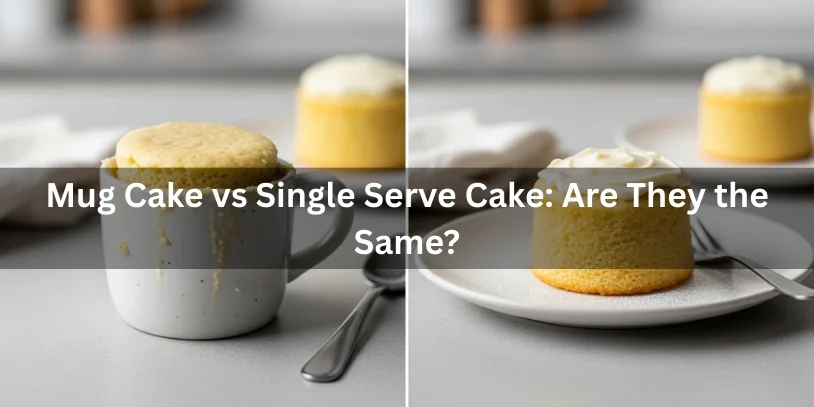
They’re closely related but not identical.
- A mug cake is typically mixed and cooked entirely in a mug, usually in the microwave.
- A single serve vanilla cake can be baked, air-fried, or microwaved and may use ramekins or mini pans.
Think of mug cakes as a subset of single serve cakes.
Texture Science: How to Get a Soft Vanilla Crumb

Texture is where many single serving cakes fail. Common issues include dryness, gumminess, or uneven cooking.
To achieve a soft crumb:
- Measure baking powder precisely
- Avoid overmixing (stir just until combined)
- Use enough liquid
- Don’t overcook
Microwave cakes continue cooking from residual heat, so stopping early is better than late.
Variations You Can Make Easily

Single serve vanilla cake is highly adaptable.
Diet-friendly options
- Eggless vanilla mug cake
- Vegan vanilla cake for one
- Gluten-free single serve cake
Flavor variations
- Vanilla cake with sprinkles
- Vanilla cake with chocolate chips
- Vanilla cake topped with fruit
Texture tweaks
- Add yogurt for extra moisture
- Add a pinch of salt to enhance flavor
Calories, Nutrition, and Portion Control

Exact values vary by ingredients, but most single serve vanilla cakes fall within a modest range.
Typical range
- Calories: ~180–250
- Sugar: moderate
- Fat: adjustable based on oil or butter
Because it’s pre-portioned, this cake supports mindful eating better than cutting slices from a full cake.
Common Mistakes (And How to Fix Them)
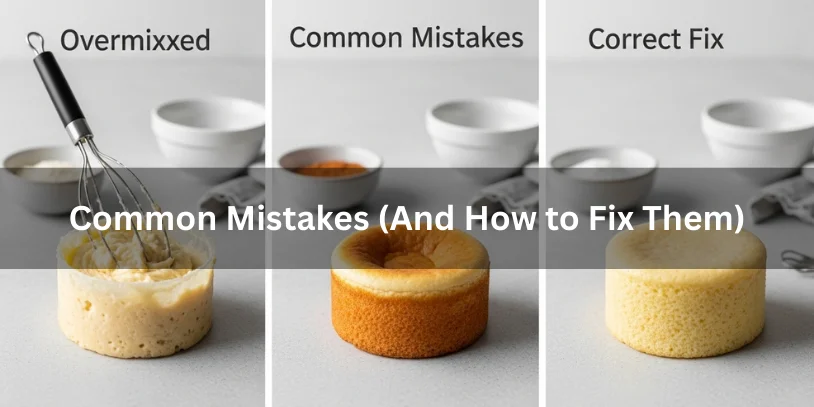
Why is my mug cake rubbery?
Overcooking or too much flour. Reduce time or liquid imbalance.
Why does it taste bitter?
Too much baking powder.
Why is it dry?
Not enough fat or liquid, or cooking too long.
Why didn’t it rise?
Expired baking powder or under-measured leavening.
Tools That Work Best
You don’t need specialty equipment, but the right tools help.
Recommended
- Microwave-safe mug or ceramic ramekin
- Measuring spoons
- Small whisk or fork
Avoid thin plastic containers; they heat unevenly and may not be safe.
Is It Worth Making vs Buying Cake?

Make it if:
- You want instant dessert
- You value freshness
- You don’t want leftovers
Buy it if:
- You’re serving multiple people
- You want decorative frosting
- Time isn’t a factor
From a cost perspective, pantry-staple cakes are usually cheaper than bakery slices.
Alternatives to Single Serve Vanilla Cake
If vanilla isn’t your craving, consider:
- Single serve chocolate cake
- Vanilla mug brownie
- Microwave sponge pudding
- Small batch cupcakes
These use similar techniques with different flavor profiles.
FAQs
1. Can I make a single serve vanilla cake without eggs?
Yes. Most recipes are naturally eggless and rely on milk and baking powder for structure.
2. Is a vanilla mug cake the same as a single serve vanilla cake?
A mug cake is one type of single serve cake, usually microwaved in a mug.
3. Why does my microwave cake come out dry?
It’s likely overcooked. Microwave power varies, so reduce time and test early.
4. Can I bake a single serve cake instead of microwaving it?
Absolutely. Baking gives a more traditional cake texture.
5. How long does a single serve vanilla cake last?
It’s best eaten immediately. Storage isn’t recommended.
6. Can I frost a single serve cake?
Yes, a small amount of frosting or glaze works well.
7. Is this suitable for kids to make?
Yes, with supervision when using heat.
Conclusion
A single serve vanilla cake is the ultimate solution for quick dessert cravings. It’s fast, flexible, and designed for modern lifestyles where convenience and portion control matter. With simple ingredients and the right technique, you can enjoy soft, fluffy vanilla cake anytime—without waste, stress, or leftovers.
Whether you microwave it in a mug, bake it in a ramekin, or air-fry it for crisp edges, this cake proves that great desserts don’t have to be big to be satisfying.