
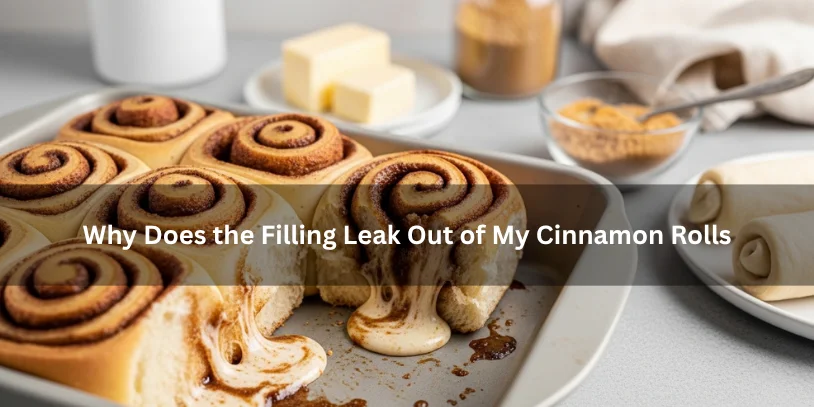
Cinnamon roll filling leaks out when the filling becomes too fluid or the dough cannot hold it in place. In most cases, the problem comes down to butter texture, too much filling, loose shaping, weak seam sealing, proofing issues, or dough that is too warm.
That is the short answer. The useful answer is more specific.
If your cinnamon rolls or cinnamon buns look fluffy on top but leave brown liquid in the pan, lose their spirals, or taste bland in the center, the filling is moving where it should not. A little seepage is normal. A puddle of butter and sugar at the bottom is not.
When filling leakage is normal and when it is a real problem
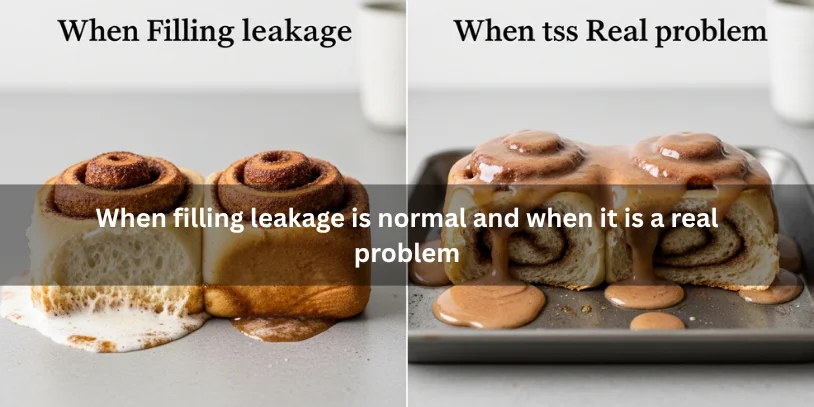
Some leakage is expected in enriched dough. Butter melts, brown sugar dissolves, and a little cinnamon-sugar syrup may collect around the rolls as they bake.
The problem starts when too much of the filling leaves the spiral.
Normal seepage vs problem leakage
| Situation | Usually Normal? | What it Means |
|---|---|---|
| Thin glossy syrup lightly coating the bottom of the pan | Yes | A small amount of butter and sugar melted out |
| Rolls stay gooey inside and keep visible spirals | Yes | Structure held most of the filling |
| Dark brown puddle under the rolls | No | Too much filling escaped and concentrated at the bottom |
| Centers taste plain or hollow | No | The filling migrated out of the spiral |
| Spirals disappear or layers slide apart | No | Shaping, seam, or proofing problem |
| Bottoms burn before centers finish | No | Excess sugar and butter pooled too early |
If you are wondering, “What is this brown liquid leaking from my cinnamon rolls?” it is usually melted butter, dissolved brown sugar, and cinnamon, sometimes mixed with moisture from the dough.
The most common reasons cinnamon roll filling leaks out
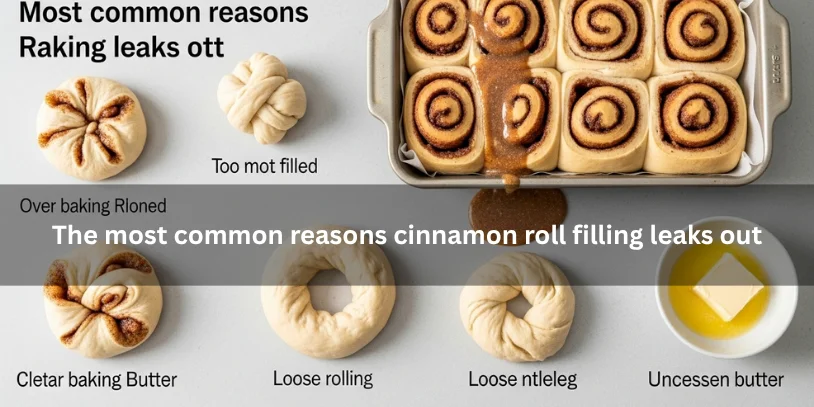
1. The butter was too melted
Softened butter and melted butter do not behave the same way.
Softened butter stays where you spread it. Melted butter turns the filling into a loose slurry. Once that happens, the cinnamon sugar can slide between layers and run straight to the pan.
If your filling looked glossy or drippy before you even rolled the dough, this is likely your main issue.
2. You used too much filling
Too much filling sounds like a good thing until the dough cannot hold it.
An overloaded layer of butter, brown sugar, and cinnamon creates extra weight and extra liquid. During proofing and oven spring, the roll expands, the layers shift, and the filling squeezes out.
This is especially common when the filling is spread all the way to the edge or packed too thick near the center.
3. The dough was too warm
Dough temperature matters more than many home bakers realize.
When enriched dough gets too warm, the butter in the filling softens even further, the dough becomes slacker, and the roll loses structure. Warm kitchens make this worse, especially in summer or humid climates.
A good target is dough that feels soft and tacky, not hot, greasy, or slack. Many bakers find that keeping final dough temperature around 75–85°F, or about 24–29°C, gives better control.
4. The roll was too loose
A loose spiral gives the filling room to travel.
If you roll the dough gently but leave air gaps between layers, the melted butter and sugar will move into those spaces instead of staying trapped in the spiral. That is why some cinnamon rolls rise but still lose all definition inside.
Snug is the goal. Not crushed, but definitely not loose.
5. The seam was not sealed well
Seam control is one of the most overlooked causes of leaking filling.
If the outer edge of the dough is dusty with flour, barely attached, or placed awkwardly in the pan, it can lift during proofing or baking. Once that seam opens, the filling has an easy path out.
Seam side orientation matters. A roll that is not properly sealed is much more likely to leak along the outer edge.
6. The dough was over-proofed or under-proofed
Both can cause trouble, but in different ways.
Over-proofed cinnamon rolls become too airy and fragile. Their layers can separate, and the filling runs into the gaps. Under-proofed rolls may bake up dense and force the filling downward as the dough struggles to expand properly.
The sweet spot is a final proof where the rolls look puffy and soft, but still have enough strength to hold shape.
7. The dough itself was weak
Sometimes the filling is not the real problem. The dough is.
If the dough did not develop enough gluten, it may not hold the spiral well. This can happen when mixing is too short, the dough is overly wet, or fermentation was incomplete. A weak enriched dough stretches and tears more easily, which makes leakage worse.
A simple windowpane test can help. If a small piece of dough cannot stretch thin without tearing, the dough may need more mixing or better fermentation.
8. Pan spacing and pan material worked against you
Widely spaced rolls spread outward more. Tightly arranged rolls support each other better.
Pan material can also affect the result. A glass or ceramic baking dish often bakes more gently, while a dark metal pan can brown the bottoms faster. If leaked sugar collects early, the wrong pan can turn minor seepage into burnt bottoms.
A standard 9×13-inch pan works well for many batches because it gives structure without forcing the rolls too far apart.
9. Added moisture made the filling unstable
The heavy cream over rolls method can make cinnamon rolls softer, but if your shaping or filling ratio is already borderline, it can also increase moisture around the rolls.
The same goes for fruit, syrups, very wet brown sugar, or an overly loose filling paste. These additions are not wrong, but they narrow your margin for error.
Symptom-to-cause-to-fix guide
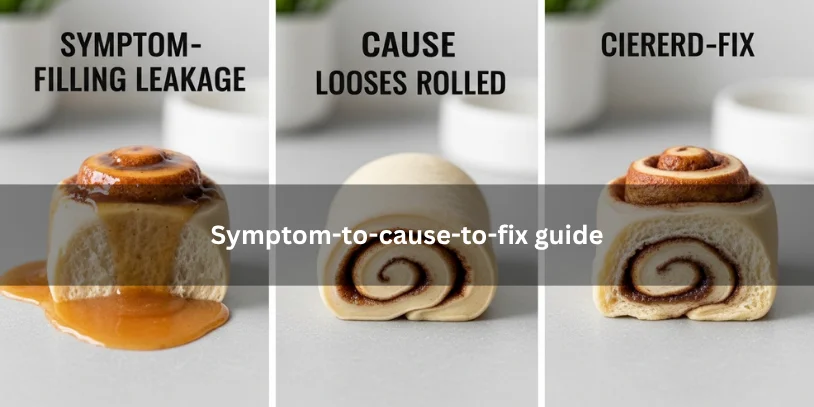
| Symptom | Most likely cause | Best fix |
|---|---|---|
| Filling oozes out while rolling | Butter too soft or too much filling | Use softened, not melted, butter and reduce the filling layer |
| Brown liquid pools in the pan before baking finishes | Warm dough or loose roll | Chill briefly, roll tighter, seal the seam |
| Rolls are fluffy but bland inside | Filling migrated downward | Leave a border, use less filling, improve spiral tension |
| Spirals disappear after baking | Over-proofing or weak dough | Improve gluten development and shorten final proof |
| Bottoms are dark and sticky | Sugar and butter collected under the rolls | Use less filling, adjust pan type, bake with better spacing |
| Rolls rise unevenly | Uneven shaping or proofing | Roll to even thickness and proof more consistently |
How to keep cinnamon roll filling inside the roll next time
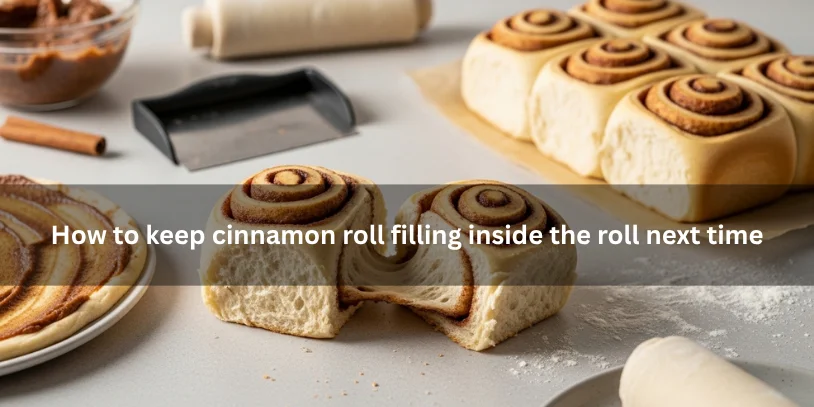
1. Use softened butter, not melted butter
Your butter should spread easily but still hold shape. If it looks liquid, it is too far gone.
This one change solves more leaking problems than almost any other.
2. Leave a clean border around the dough
Do not spread filling right to every edge.
Leave a small border around the dough, especially along the far edge that becomes the seam. That clean strip gives the dough something to grip when you roll it up.
3. Roll the dough to an even thickness
If one section is too thin, the filling will break through there first.
Even thickness helps the spiral bake evenly and keeps the cinnamon sugar filling distributed from end to end.
4. Roll snugly and place seam side down
A snug spiral supports the filling. A seam-side-down position helps keep the outer flap closed during proofing and baking.
If needed, pinch the seam lightly before slicing.
5. Strengthen the dough before blaming the filling
Do not change six things at once.
First check whether the dough was mixed enough, proofed well, and soft but not weak. Dough strength, hydration, and fermentation affect leakage just as much as the filling ratio.
Tangzhong can help if you want softer rolls with better moisture retention, but it is not a magic fix for poor shaping. Milk powder can improve dough tenderness and flavor, but it will not stop leakage on its own either.
6. Watch dough temperature in warm kitchens
In a hot kitchen, chill the dough briefly before rolling if it feels overly soft.
That short rest can make a major difference. The same dough that is easy to shape in winter may become messy in summer.
7. Proof until puffy, not fragile
You want expansion, not collapse.
If the rolls look swollen, shaky, or very airy before baking, they may be over-proofed. If they still look tight and dense, they may need more time.
8. Bake until the center is fully set
Underbaked enriched dough can leave a doughy center and let the rolls collapse slightly, which makes the filling seem even looser.
As a rough guide, many bakers look for an internal temperature around 190–200°F, or 88–93°C, in the center of the dough.
Softened butter vs melted butter and other important comparisons
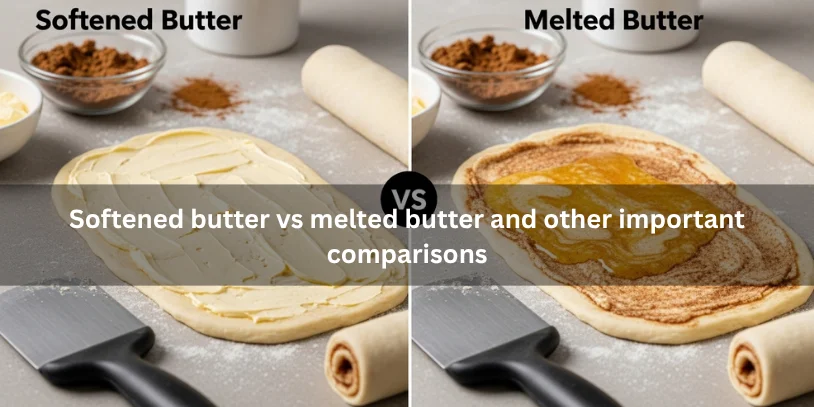
| Choice | Better for leak control | Why |
|---|---|---|
| Softened butter | Yes | Stays where you spread it |
| Melted butter | No | Makes the filling too fluid |
| Separate butter + cinnamon sugar | Usually yes | Easier to control texture |
| Premixed filling paste | Sometimes | Can work, but only if thick enough |
| Room-temperature proof in a warm kitchen | Riskier | Butter softens too fast |
| Overnight fridge proof | Safer for control | Keeps dough and filling firmer |
| Widely spaced rolls | Riskier | Less side support |
| Moderately packed rolls | Better | Helps rolls rise upward instead of spreading outward |
What to do if the filling leaks before, during, or after baking
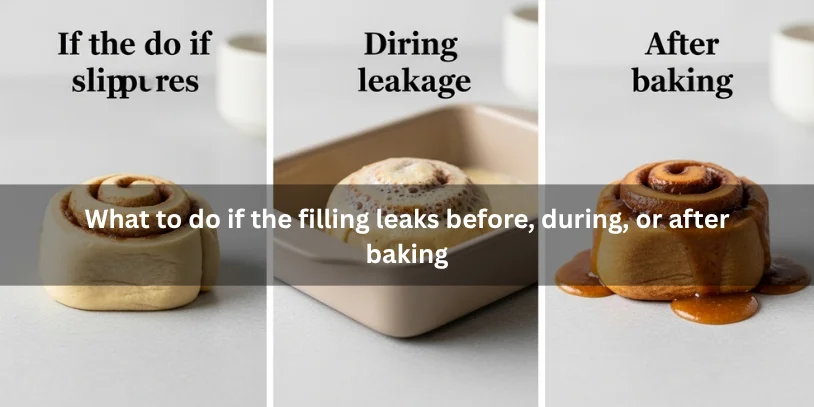
If it leaks before baking
- Chill the shaped rolls for 10 to 15 minutes
- Reinforce the seam
- Scrape excess filling back onto the rolls if possible
- Do not add a lot of extra flour unless the dough is truly sticky
If it leaks during baking
- Do not keep opening the oven
- Let the dough structure set
- If the bottoms are browning too fast, move the rack up slightly next time
- Put the baking dish on a sheet pan if drips are a concern
If it leaks after baking
The batch may still be salvageable.
Let the rolls rest briefly so they can reabsorb some syrup. Spoon a little of the cinnamon-sugar mixture back over the tops. If the centers are still soft and flavorful, you likely lost less filling than you think.
Advanced no-leak filling options
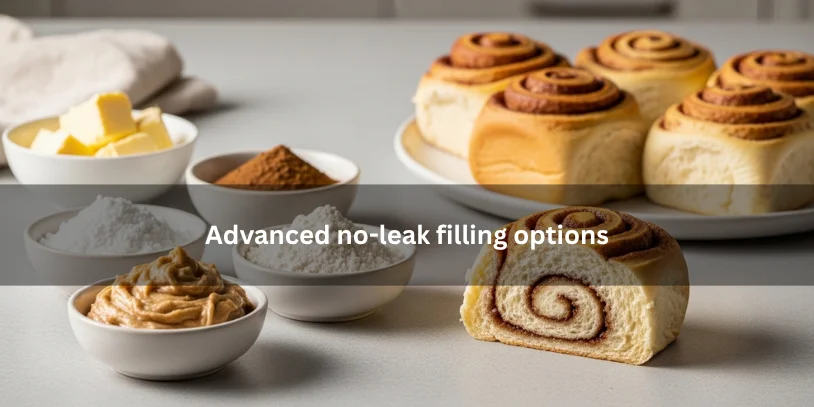
If you already have solid dough and shaping technique but still want more control, you can stabilize the filling.
Options include:
- a small amount of flour or starch in the filling
- cornstarch in some recipes
- sweet rice flour paste or another pre-gelatinized starch paste
- the instant pudding mix or modified starch approach used in some enriched dough methods
These methods help the filling stay thicker as it heats.
Pros
- cleaner spirals
- less runoff in the pan
- better filling retention for bakery-style rolls
Cons
- slightly more technical
- can change texture if overused
- should not be your first fix if the real problem is warm dough or loose shaping
What not to change first
When cinnamon roll filling leaks out, many bakers immediately blame the sugar.
Usually, sugar is not the first thing to change.
Fix these first:
- butter texture
- dough temperature
- roll tension
- seam sealing
- final proof
- pan spacing
Only after those are under control should you start testing thicker fillings, starch-based methods, or specialty formulas.
For frequent bakers and small-batch sellers
If you bake cinnamon rolls regularly for a café, market stall, preorder business, or weekend bakery box, consistency matters more than one lucky batch.
Use these habits:
- weigh ingredients with a digital scale
- record room temperature and dough temperature
- standardize proofing time and visual cues
- keep pan size and roll size consistent
- note whether overnight proofing improved spiral retention
- slice with dental floss or a very sharp knife for cleaner layers
That kind of repeatability is what keeps one batch from turning gooey and beautiful while the next turns into burnt syrup at the bottom of the pan.
This applies whether you call them cinnamon rolls, cinnamon buns, or, in some related styles, spiral sweet buns such as kanelbullar. The exact dough may vary, but filling stability always depends on texture, structure, and heat management.
FAQs
Is it normal for cinnamon-roll filling to leak out?
Yes, a little seepage is normal. A large puddle of brown syrup, bland centers, or burned bottoms usually means too much filling escaped.
Does melted butter make cinnamon-roll filling leak more?
Yes. Melted butter makes the filling much looser than softened butter, so it can slide out of the spiral more easily.
Can over-proofing make cinnamon-roll filling run out?
Yes. Over-proofed rolls can become too delicate and separate between layers, which gives the filling room to escape.
Why are my cinnamon rolls pale inside after baking?
That usually means the filling moved downward or the center was slightly underbaked. The result can be fluffy outside but underfilled or doughy inside.
Why is there brown liquid at the bottom of my pan?
It is usually melted butter, dissolved brown sugar, and cinnamon. A small amount is fine, but a lot suggests the filling was too loose or the shaping was weak.
Can I chill cinnamon rolls before baking to keep the filling in place?
Yes. A short chill can help firm the butter and tighten the dough, especially in a warm kitchen.
Does pouring heavy cream over cinnamon rolls increase leakage?
It can. Heavy cream can create extra softness and richness, but if the rolls are already loosely shaped or overfilled, it may add to the mess.
Should I add flour, cornstarch, or another thickener to the filling?
Sometimes. A small amount of starch can help stabilize the filling, but it works best after you fix butter texture, dough strength, and shaping first.
Why did my spirals disappear even though the rolls rose well?
The most likely causes are loose rolling, over-proofing, weak gluten development, or a filling that became too fluid during baking.
Can I fix leaking filling without changing my whole recipe?
Usually yes. Start with softened butter, better seam sealing, snug rolling, and improved proofing before changing the recipe itself.
Conclusion
If your cinnamon roll filling keeps leaking out, the issue is usually not one dramatic mistake. It is a chain reaction: butter too loose, dough too warm, roll too loose, seam not sealed, or proofing just a little off.
Start with the highest-impact fixes first. Use softened butter, keep the dough cool and tacky, roll evenly, seal the seam, and proof with care. Once those basics are right, you can decide whether you need a thicker filling, a starch-stabilized method, or an overnight proof for even better control.
Most leaky cinnamon rolls are fixable. And once you understand why the filling moves, you can keep more of that cinnamon-sugar goodness where it belongs: inside the spiral, not burnt at the bottom of the pan.