
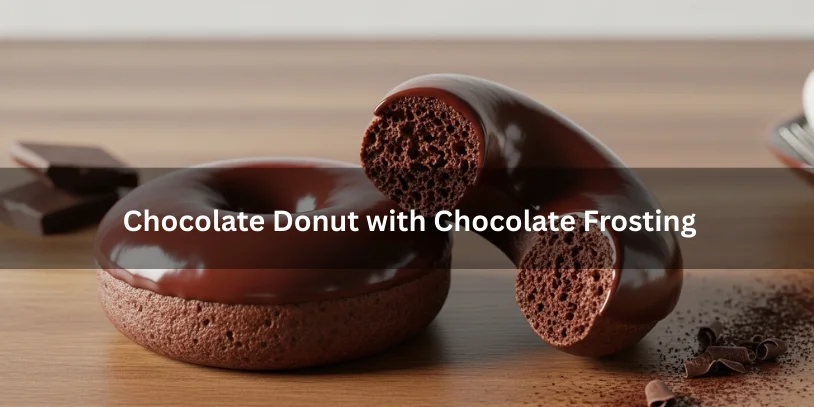
A chocolate donut with chocolate frosting is a beloved pastry that combines rich cocoa flavor, soft dough, and a glossy chocolate topping. Loved worldwide, it can be fried or baked, made at home or purchased from bakeries, cafés, and specialty dessert shops. This guide explores everything from recipes and techniques to variations, tools, pricing, and expert tips to help you replicate or enjoy bakery-quality chocolate donuts wherever you are.
What Is a Chocolate Donut with Chocolate Frosting?
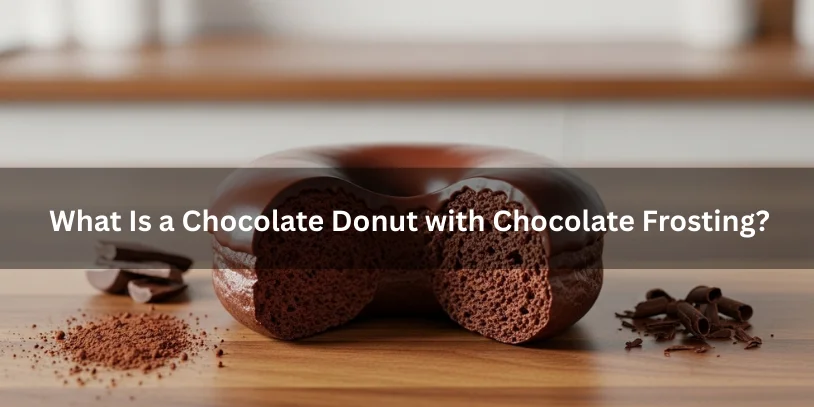
At its core, this donut is a cocoa-based dough shaped into a ring or ball and finished with a chocolate frosting or glaze. The dough can be yeast-leavened for a soft, airy texture or cake-style for a denser, fudgier bite. The chocolate frosting can range from a simple glossy glaze to rich ganache or buttercream, providing flavor, moisture, and visual appeal.
Popular terms include:
- Double chocolate donut
- Chocolate frosted donut
- Chocolate cake donut
Why It Matters
Chocolate donuts with frosting are more than a sweet treat—they are a cultural and culinary staple in bakeries globally. They appeal to dessert enthusiasts, home bakers, and café patrons because of:
- Indulgent flavor and texture
- Customizable toppings and fillings
- Versatility for breakfast, dessert, or events
- A benchmark for bakery quality and creativity
The combination of cocoa chemistry, frosting application, and precise frying or baking makes mastering this pastry both rewarding and a mark of pastry expertise.
Types & Variations
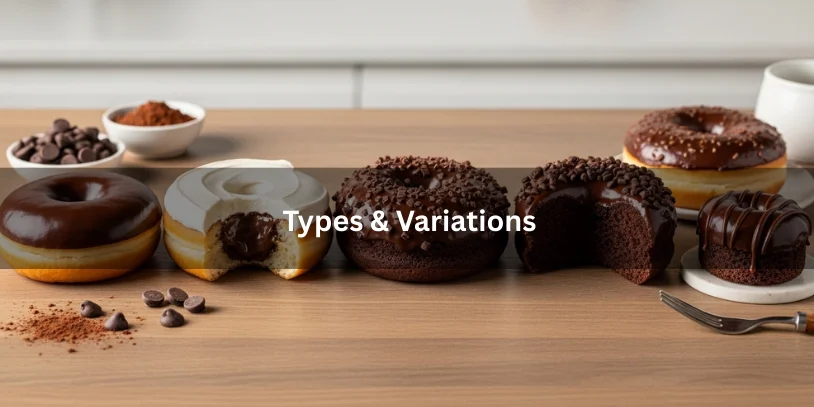
By Dough
- Yeast Donut: Soft, airy, slightly chewy; ideal for glazing.
- Cake Donut: Dense, tender, and richer; often baked.
By Frosting
- Chocolate Glaze: Thin, shiny, quick-drying coating.
- Ganache: Rich chocolate with cream; velvety and glossy.
- Buttercream Icing: Sweet, fluffy topping for decorative appeal.
- Dark Chocolate Shell: Hard-set chocolate for crisp texture.
Global & Specialty Variations
- American Bakery Style: Yeast or cake, often topped with sprinkles.
- European Pâtisserie Style: Smaller, more refined, sometimes filled with chocolate cream.
- Asian Mochi-style Donuts: Chewy texture, lighter chocolate frosting.
Add-ons
- Sprinkles, nuts, caramel drizzle
- Cream or chocolate-filled centers
Ingredients & How They Work
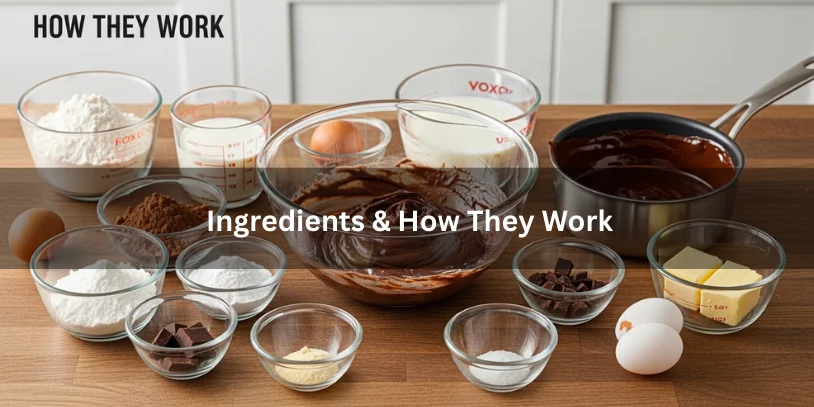
Core Ingredients
- Cocoa Powder: Provides deep chocolate flavor.
- Flour: Structure and body for the donut.
- Sugar: Sweetness and browning.
- Eggs: Binding and richness.
- Milk or Dairy Substitute: Moisture and tenderness.
- Butter or Oil: Fat for texture.
- Baking Powder or Yeast: Leavening agent.
- Chocolate Frosting: Sweet finish that enhances moisture.
Food Science Insights
- Cocoa absorbs moisture, requiring careful fat balance.
- Frying produces a crisp exterior, while baking maintains softness.
- Frosting acts as both flavor enhancer and moisture sealant.
How to Make a Chocolate Donut with Chocolate Frosting
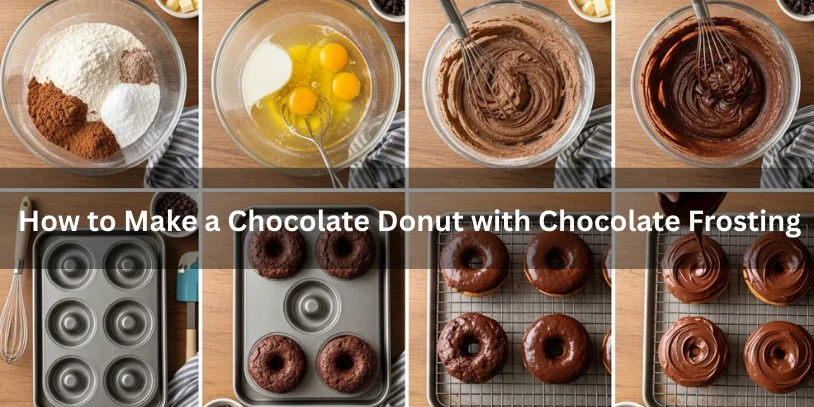
Step-by-Step Procedure
- Prepare Dry Ingredients: Combine flour, cocoa powder, sugar, and leavening agent.
- Mix Wet Ingredients: Eggs, milk, and melted butter or oil.
- Combine to Form Dough: Gently mix to avoid overdeveloping gluten.
- Shape Donuts: Use donut cutter or mold.
- Fry or Bake:
- Fry at 175–180°C (350°F) for 2–3 minutes per side.
- Bake at 175°C (350°F) for 12–15 minutes for cake donuts.
- Cool Completely: Essential to prevent frosting from melting.
- Apply Frosting: Dip or spread frosting evenly; allow to set.
Tips for Success
- Maintain precise oil temperature for frying.
- Avoid overmixing batter for tender crumb.
- Cool donuts fully before frosting.
- Use high-quality cocoa or chocolate for superior flavor.
Tools & Equipment
- Mixing bowls, stand mixer, or hand whisk
- Donut cutter or mold
- Frying pot with thermometer or baking tray
- Cooling rack
- Spatula for frosting
Professional bakeries may also use commercial fryers, dough proofers, and industrial mixers for consistency.
Comparing Homemade vs Bakery Donuts
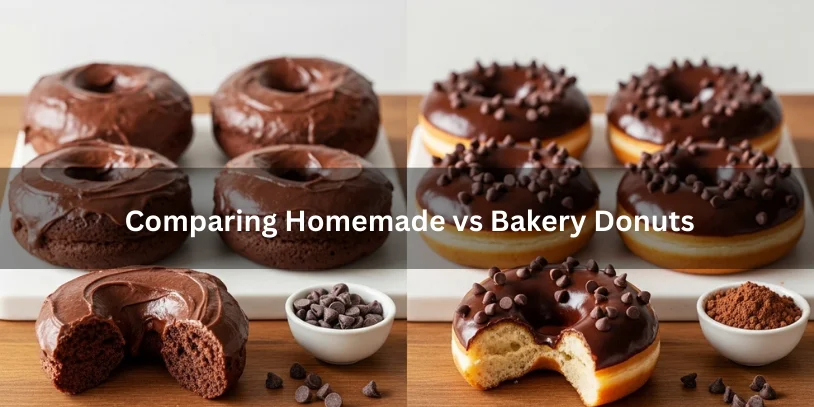
| Factor | Homemade | Bakery | Packaged |
|---|---|---|---|
| Cost | Low | Medium | Low |
| Freshness | High | High | Medium |
| Customization | High | Medium | Low |
| Time | High | None | None |
| Taste | Variable | High | Moderate |
When to Choose Each:
- Homemade: Best for hobby bakers or customization.
- Bakery: High-quality taste and convenience.
- Packaged: Quick snack with moderate quality.
Pros & Cons
Pros
- Rich, indulgent chocolate flavor
- Highly customizable toppings
- Suitable for celebrations or gifting
- Combines dessert and snack versatility
Cons
- High sugar and calorie content
- Short shelf life
- Frying requires careful temperature management
Storage & Shelf Life
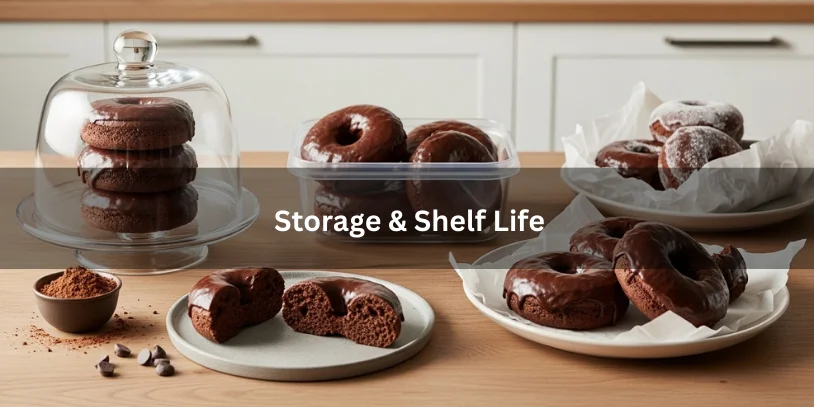
- Room Temperature: 1–2 days in airtight container
- Refrigeration: Up to 5 days
- Freezing: 1–2 months, wrap individually
Proper storage preserves moisture and frosting integrity.
Health Considerations & Substitutions
- Consider whole wheat flour or almond flour for more fiber.
- Use dark chocolate or reduce sugar for a healthier option.
- Vegan adaptation: substitute eggs with flax or chia, milk with plant-based alternatives.
Cost & Global Pricing Estimates
| Region | Price Range |
|---|---|
| USA | $1.5–4 per donut |
| UK | £1–3 |
| Pakistan | PKR 150–450 |
| UAE | AED 5–12 |
Factors affecting cost: ingredients, size, brand, and bakery vs home preparation.
Where to Buy
Even globally, users search for local options:
- Cafés: Specialty chocolate donut offerings.
- Bakeries: Freshly baked, customizable options.
- Supermarkets: Packaged chocolate donuts.
- Delivery: Online bakery delivery platforms.
Search terms: “best donuts near me,” “chocolate donut bakery near me,” or “donut delivery [city].”
Common Mistakes
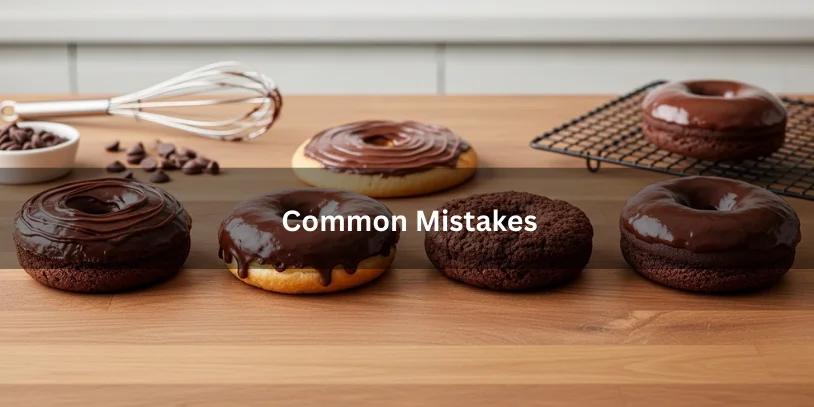
- Overmixing batter → dense texture
- Frying at incorrect temperatures → greasy or undercooked donuts
- Applying frosting while donuts are warm → melting or cracking
- Using low-quality cocoa → bland flavor
Best Practices Checklist
- Use quality cocoa and chocolate
- Maintain proper frying or baking temperature
- Measure ingredients accurately
- Allow donuts to cool before frosting
- Store in airtight containers for freshness
FAQs
1. What makes donuts soft?
Proper leavening, careful mixing, and correct oil or baking temperature ensure a tender, airy crumb.
2. How do you frost donuts properly?
Cool donuts completely, dip or spread frosting evenly, then allow to set at room temperature.
3. Is chocolate frosting better than glaze?
Frosting is thicker, richer, and holds shape, while glaze is thinner and creates a shiny coat.
4. How long do donuts stay fresh?
1–2 days at room temperature, up to 5 days refrigerated, or freeze up to 2 months.
5. Can I bake instead of fry?
Yes, baked donuts are lighter, lower in fat, and easier to prepare at home.
6. Which cocoa works best?
Unsweetened, Dutch-processed cocoa delivers deeper flavor and darker color.
7. Are cake donuts different from yeast donuts?
Cake donuts use baking powder; yeast donuts rely on fermentation, resulting in airier texture.
8. Can I make this vegan?
Yes—substitute eggs with flax or chia, milk with plant-based alternatives, and use dairy-free chocolate frosting.
9. What is the best oil temperature for frying?
Maintain 175–180°C (350°F) to ensure proper cooking without greasiness.
Conclusion
A chocolate donut with chocolate frosting is both a culinary delight and a versatile dessert. Whether you make it at home, buy from a bakery, or experiment with global variations, understanding ingredients, techniques, and storage ensures consistently satisfying results. Use this guide to choose your method, select toppings, and create chocolate donuts that rival professional bakeries in taste and presentation.
Mastering the balance between dough texture and frosting application unlocks the full potential of this indulgent pastry, making it a standout treat for any occasion.