
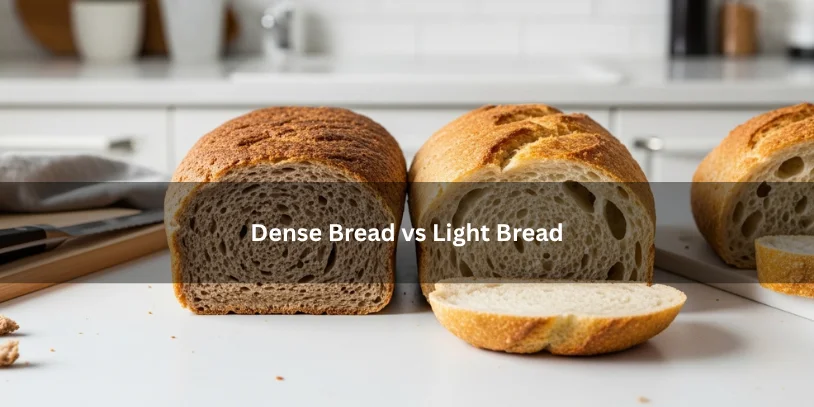
Dense bread has a tighter crumb, fewer air pockets, and a heavier chew. Light bread has more lift, a softer bite, and a more open or fluffy interior. That is the short answer, but the real difference goes deeper than texture alone.
For home bakers, this topic usually starts with a problem: “Why did my loaf come out so heavy?” For bread lovers, it often comes down to preference: “Should I choose a hearty loaf or a soft airy one?” The truth is that both dense bread and light bread can be excellent. The key is knowing when density is normal, when it signals a baking issue, and which loaf works best for the result you want.
What Dense Bread and Light Bread Actually Mean
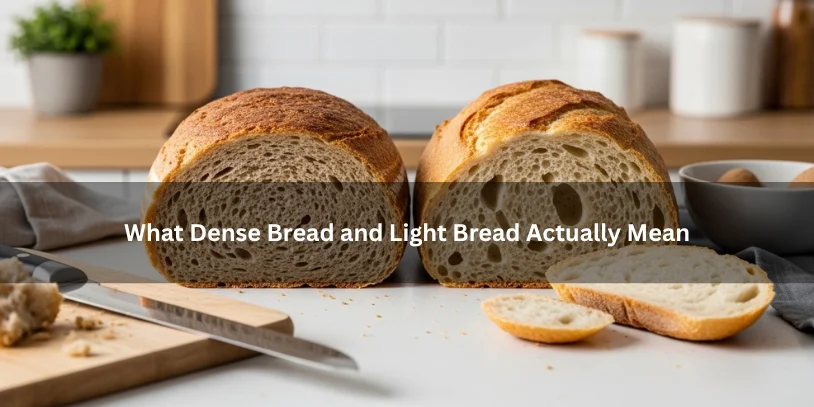
The difference usually shows up in the crumb structure. Crumb means the inside texture of the loaf after slicing.
Dense bread
Dense bread tends to have:
- a tight crumb or close-grained interior
- fewer visible air pockets
- more chew
- a heavier feel in the hand
- less dramatic oven spring
Light bread
Light bread usually has:
- a softer or fluffier crumb
- more lift and volume
- larger or more even air cells
- a gentler bite
- a more open crumb or fine, airy texture depending on the style
A dense loaf is not automatically bad, and a light loaf is not automatically better. A German rye, pumpernickel, or seeded whole wheat loaf is expected to be more substantial. Japanese milk bread, sandwich bread, brioche, ciabatta, and focaccia are usually expected to feel lighter or airier in different ways.
Dense Bread vs Light Bread at a Glance
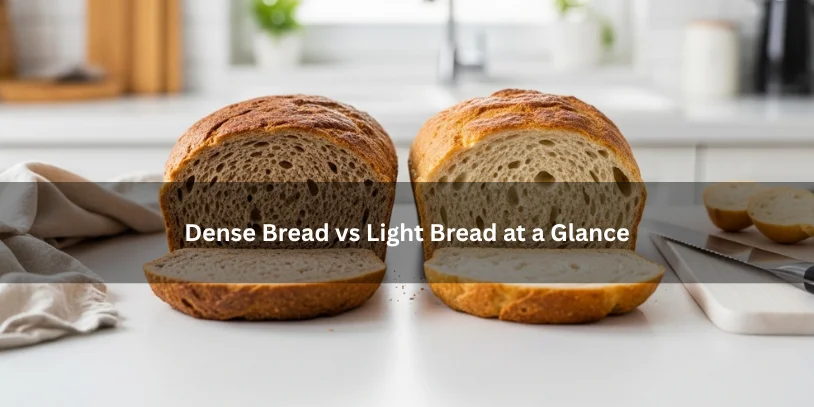
| Feature | Dense Bread | Light Bread |
|---|---|---|
| Crumb | Tight, close, compact | Airy, soft, open or fluffy |
| Texture | Chewy, hearty, heavier | Soft, tender, lighter |
| Rise | Lower or tighter | Better lift and loaf volume |
| Common flours | Whole wheat flour, rye flour, multigrain blends | Bread flour, all-purpose flour, enriched doughs |
| Best for | Soup, toast, strong toppings, rustic meals | Sandwiches, rolls, breakfast toast, delicate fillings |
| Typical causes | Low hydration, weak gluten, under-proofing, heavy grains | Strong gluten development, proper proofing, balanced hydration |
Why Bread Turns Dense or Light
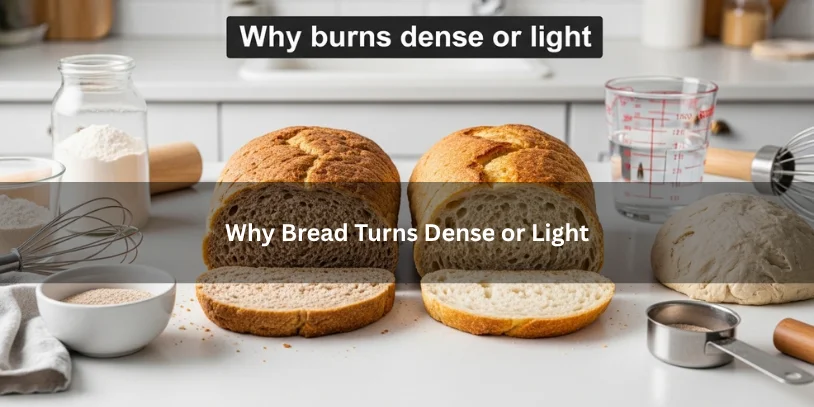
Bread texture comes from a few connected factors: hydration, gluten development, fermentation, proofing, shaping, and flour choice.
1. Flour type
Flour has a huge effect on loaf structure.
- Bread flour usually helps create more rise because its higher protein supports stronger gluten.
- All-purpose flour can make good bread, but results depend more on handling.
- Whole wheat flour often creates a denser loaf because bran can interfere with gluten development.
- Rye flour produces loaves that are naturally heavier and less elastic.
This is why whole wheat bread and rye bread often feel denser than white sandwich loaves, even when baked correctly.
2. Hydration
Hydration is the amount of water in the dough.
A dough with too little water can become stiff, dry, and hard to expand. That often leads to a dense, heavy loaf. A dough with proper hydration has a better chance of developing elasticity, trapping gas, and creating a lighter crumb.
That said, hydration alone is not magic. High hydration without good shaping, fermentation, or gluten development can still give messy or flat results.
3. Gluten development
Gluten is the network that holds gas inside the dough. When kneading or mixing is too weak, the dough may not build enough strength to rise properly.
This is one reason people say, “My bread rose a little, but it still sliced dense.” The gas was not trapped well enough to create real lift.
4. Fermentation and proofing
Fermentation creates gas and flavor. Proofing is the stage where the dough expands before baking.
- Under-proofing often causes dense bread because the dough has not developed enough gas.
- Over-proofing can also cause problems because the dough structure weakens and may collapse instead of springing in the oven.
Both can lead to a loaf that feels disappointingly heavy.
5. Shaping and oven spring
Poor shaping can knock too much air out or fail to create surface tension. A properly shaped loaf rises upward more effectively.
Then comes oven spring, the final burst of expansion in the oven. Weak dough, low oven heat, or poor proofing can all reduce it.
When Dense Bread Is Normal
A lot of confusion comes from treating all bread as if it should feel like soft sandwich bread. That is not how bread works.
These breads are often naturally denser:
- rye bread
- pumpernickel
- heavily seeded loaves
- some artisan sourdough bread
- whole wheat bread
- multigrain loaves with add-ins
These breads are meant to be:
- more substantial
- more flavorful
- more filling
- better for hearty meals
So the better question is not just, “Is this bread dense?” It is, “Is this bread denser than this style is supposed to be?”
When Dense Bread Signals a Problem
Bread is more likely to be unintentionally dense when:
- the loaf should have been soft and fluffy
- the crumb is gummy and heavy rather than pleasantly chewy
- the dough did not rise much during bulk fermentation or final proof
- the loaf feels squat instead of lifted
- the interior looks tight and slightly damp even after cooling
This is especially frustrating with:
- sandwich bread
- bread machine loaves
- milk bread
- dinner rolls
- white loaves meant to be light
Why Homemade Bread Is Often Denser Than Store-Bought
This is a super common question, and yes, homemade bread can feel denser than store-bought bread even when it is not technically wrong.
Why?
- home bakers often use less dough enhancer
- commercial bakeries have stronger mixers and more controlled proofing
- packaged sandwich bread is designed for softness, uniformity, and shelf life
- home kitchens vary in temperature, humidity, and flour absorption
That does not mean homemade bread is worse. It just means the target texture may be different.
Bread Types: Which Side Do They Usually Fall On?
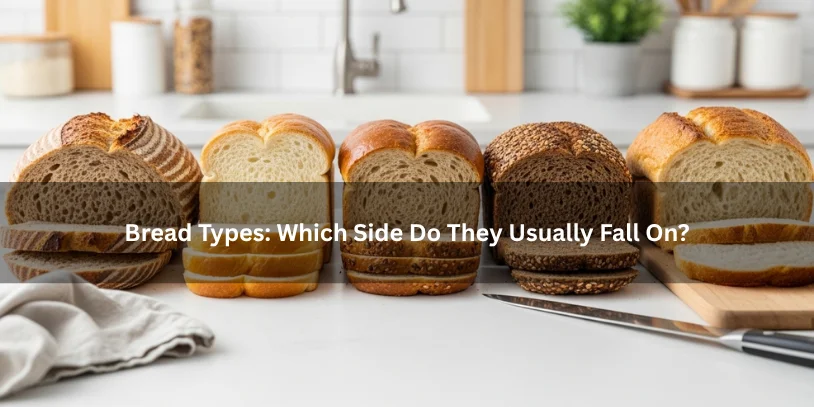
Usually denser
- German rye
- pumpernickel
- whole wheat artisan loaf
- seeded sourdough
- dense multigrain bread
Usually lighter
- Japanese milk bread
- brioche
- white sandwich loaf
- dinner rolls
- focaccia
- ciabatta
Ciabatta and focaccia are good examples of “light” not because they are delicate, but because they often have an open crumb with strong aeration.
Dense Bread vs Light Bread for Different Uses
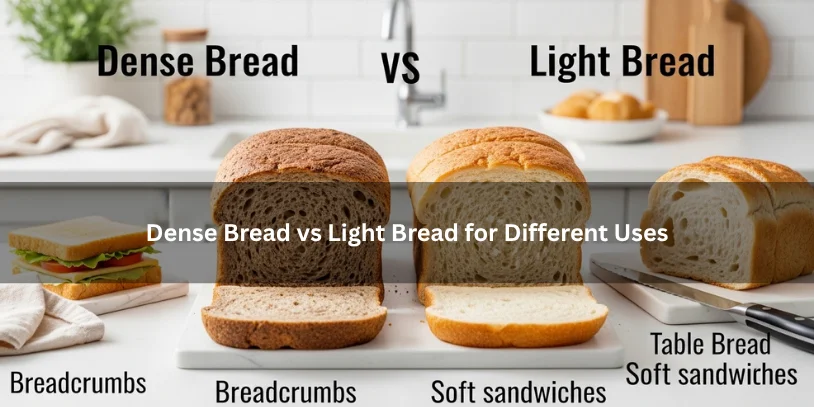
Best for sandwiches
Light bread usually wins because it is softer, easier to bite, and works better with fillings.
Best for soup and stew
Dense bread is often better because it holds structure and stands up well to dipping.
Best for toast
Both work.
- Dense bread gives a hearty, crisp toast with strong flavor.
- Light bread gives a softer center and more classic breakfast texture.
Best for rustic meals
Dense or chewy artisan bread usually works better with olive oil, cheese, roasted vegetables, and strong soups.
Best for kids or everyday lunches
Soft sandwich bread or milk bread is usually the better pick.
Dense Bread vs Light Bread for Nutrition and Satiety
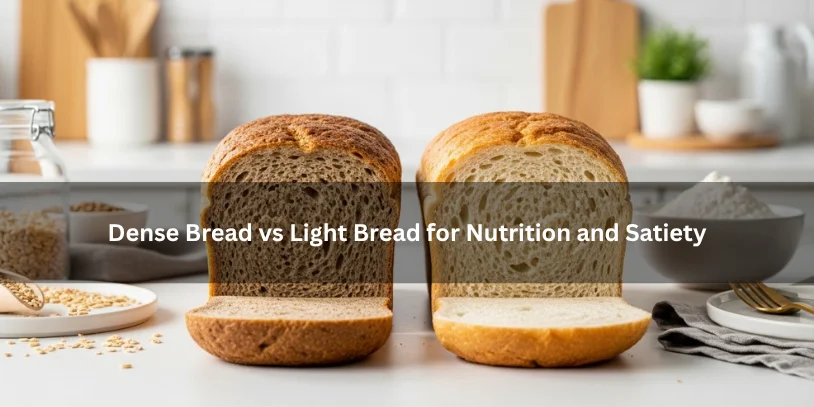
Texture is not the same thing as nutrition.
A dense bread may contain more whole grains, seeds, or fiber, which can make it more filling. But density alone does not guarantee a healthier loaf. Some dense breads are just under-risen. Some light breads are enriched but still high quality. Others are highly processed.
A smarter way to judge bread is to look at:
- ingredient list
- flour type
- fiber content
- portion size
- how satisfied you feel after eating it
Dense bread often feels more satisfying slice for slice. Light bread often feels easier to eat and more versatile. Neither one wins automatically.
How to Fix Dense Bread at Home
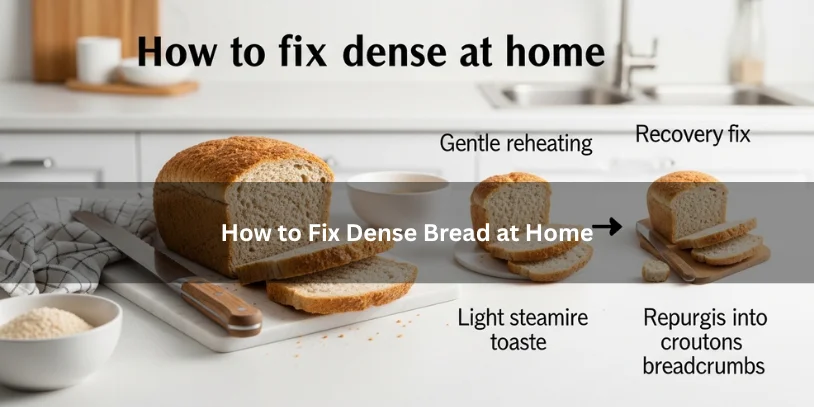
If your loaf is unintentionally heavy, work through these five checks.
1. Check your yeast activity
Old yeast can weaken fermentation. If your dough rises slowly or barely at all, yeast may be part of the problem.
2. Review hydration
If the dough felt stiff, dry, or hard to knead, it may have needed more water. Low hydration is one of the biggest causes of a dry loaf and tight crumb.
3. Improve gluten development
Knead long enough for the dough to become smoother and more elastic. A weak dough structure cannot trap gas well.
4. Watch proofing by feel, not just by clock
A dough can be under-proofed in a cold kitchen and over-proofed in a warm one. Use volume increase, elasticity, and the poke test instead of trusting time alone.
5. Bake fully and cool completely
A loaf can seem gummy or dense if sliced too soon. Cooling fully helps the crumb set properly.
Symptom, Likely Cause, and Fix
| Symptom | Likely Cause | Fix |
|---|---|---|
| Tight crumb, little rise | Under-proofing | Give dough more proofing time |
| Dry, heavy loaf | Too much flour or low hydration | Add water carefully and weigh ingredients |
| Squat loaf | Weak gluten development | Knead better or use bread flour |
| Gummy center | Underbaked or sliced too soon | Bake fully and cool before cutting |
| Bread machine loaf too dense | Wrong dough consistency or weak yeast | Check dough mid-cycle and test yeast |
| Whole wheat loaf too heavy | Low hydration or too much bran load | Blend with bread flour or increase hydration |
Common Mistakes That Make Bread Heavy
These show up again and again:
- using too much flour during mixing
- under-proofing the dough
- over-proofing and losing structure
- using weak or expired yeast
- not kneading enough
- expecting rye or whole grain bread to behave like white sandwich bread
- cutting the loaf while still hot
- ignoring humidity, room temperature, and altitude
- relying fully on a bread machine without checking dough texture
Bread machine users especially need to check the dough during mixing. The machine follows a program, but it cannot tell if the dough is too dry or too wet.
What Flour Makes Bread Lighter?
If your goal is a softer and more airy loaf, bread flour is usually the easiest place to start. Its protein level supports stronger gluten development and better loaf volume.
If you prefer whole wheat bread but want it less dense:
- mix whole wheat flour with bread flour
- increase hydration
- allow proper fermentation
- avoid adding too much extra flour during kneading
Some bakers also use vital wheat gluten or dough enhancer, especially in whole grain recipes, but technique still matters more than shortcuts.
Is Sourdough Supposed to Be Dense or Airy?
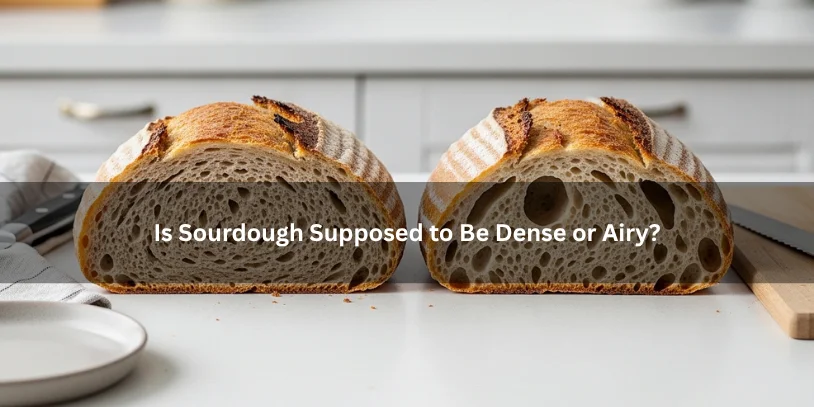
Both are possible.
A rustic sourdough can be:
- moderately dense and chewy
- open-crumb and airy
- soft but structured
It depends on hydration, flour choice, fermentation, shaping, and the health of the sourdough starter. A sourdough loaf does not need to be fluffy like milk bread to be successful, but it should not feel like a brick unless that style truly calls for it.
How to Decide Which Bread Is Right for You
Choose dense bread if you want:
- stronger grain flavor
- a hearty bite
- bread for soup, stew, and savory pairings
- more chew and structure
Choose light bread if you want:
- softness
- airy crumb
- sandwich-friendly slices
- easy everyday eating
- a fluffy loaf with better lift
If you bake often, the goal is not just to make bread lighter. The goal is to make each style come out the way it should.
Quick Reality Check
Dense bread is not always a failure.
Light bread is not always superior.
Good bread matches its style, ingredients, and purpose.
That is the difference that clears up most of the confusion.
FAQs
Is dense bread bad?
Not always. Some breads, especially rye, pumpernickel, and many whole grain loaves, are naturally dense. Dense bread becomes a problem when a loaf that should be soft and airy turns heavy because of proofing, hydration, or gluten issues.
Why is my bread dense and heavy?
The most common reasons are under-proofing, low hydration, too much flour, weak yeast activity, or poor gluten development. Sometimes the loaf is also sliced too early and seems denser than it really is.
Is all homemade bread denser than store-bought?
No, but it often feels that way. Store-bought bread is usually made for maximum softness and uniformity, while homemade bread reflects your flour, kitchen conditions, fermentation, and technique more directly.
What makes bread airy?
Airy bread usually comes from proper hydration, strong gluten development, healthy fermentation, correct proofing, and good oven spring. Bread flour and careful shaping also help.
Does whole wheat bread have to be dense?
Not necessarily, but it is usually denser than white bread. Whole wheat flour absorbs more water and its bran can interfere with gluten, so technique matters more if you want a lighter result.
What flour makes bread lighter?
Bread flour is usually the best option for a lighter loaf because its protein content supports stronger gluten and better rise. Whole wheat and rye flour usually create heavier results unless adjusted carefully.
Can bread be dense and still fully baked?
Yes. A loaf can be fully baked and still have a tight crumb. Dense texture is not always a sign of underbaking. But if the center is gummy or wet, that points to a different issue.
Is sourdough supposed to be dense?
Sometimes. Sourdough can range from chewy and structured to open and airy. A denser crumb can be normal depending on hydration, flour type, and style, but extremely heavy sourdough often signals a process problem.
Does cutting bread too early make it seem dense?
Yes. Hot bread has not fully set inside. Cutting it too soon can compress the crumb and make it seem gummy, close, or heavier than it would after cooling.
Conclusion
Dense bread vs light bread is really a question of crumb, purpose, and technique. Dense bread has a tighter, heavier structure and often suits hearty loaves like rye, pumpernickel, seeded bread, and some artisan sourdough. Light bread has more lift, softness, and air, which makes it ideal for sandwich bread, milk bread, rolls, ciabatta, and focaccia.
If your loaf came out heavier than expected, look first at hydration, gluten development, yeast activity, proofing, and cooling time. If the bread style is naturally substantial, density may be exactly what you want. The best loaf is not the lightest one. It is the one that matches the bread style and gives you the texture you were aiming for.