
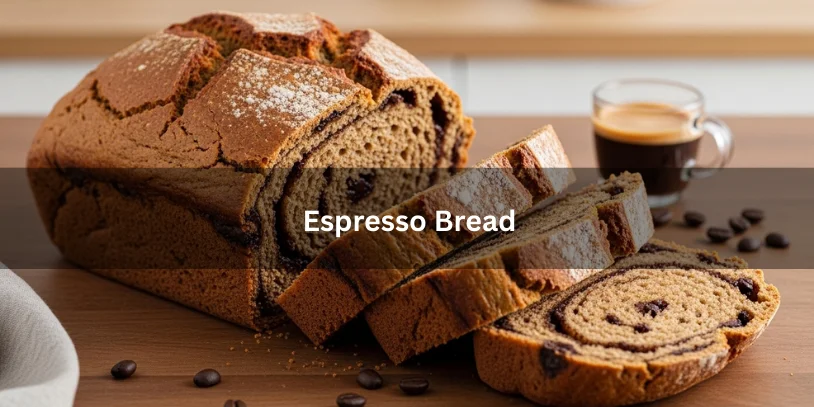
Espresso bread is a coffee-infused bread made using brewed espresso, espresso powder, or finely ground coffee to create a rich, roasted flavor. It can be sweet or savory and is popular in artisan baking and specialty cafés.
The idea blends two traditions: coffee culture and handcrafted bread. Regions like Italy and coffee-centric cities such as Seattle helped popularize coffee-based baked goods.
The result is a loaf with:
- subtle bitterness
- deep aroma
- caramelized crust
- balanced sweetness
It’s often called coffee bread, espresso loaf, or coffee-infused bread.
Why Espresso Works in Bread
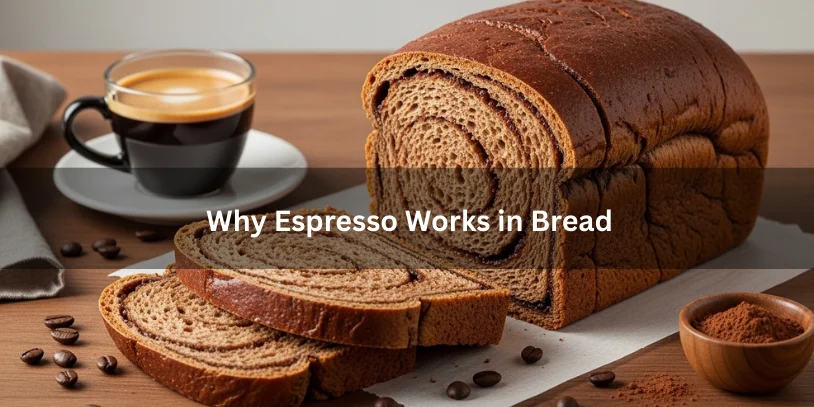
Coffee affects dough in ways that go beyond flavor.
Flavor chemistry
Espresso contains:
- oils
- acids
- roasted compounds
These enhance browning and aroma during baking, creating complexity similar to chocolate or molasses bread.
Fermentation interaction
Yeast fermentation reacts with sugars and espresso compounds, influencing:
- dough rise
- crust color
- aroma release
Texture impact
Coffee slightly changes hydration levels, affecting crumb softness and elasticity.
What Espresso Bread Tastes Like
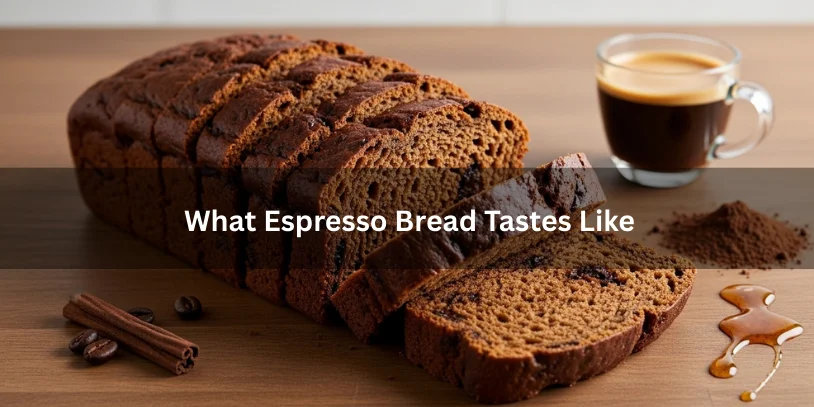
It does not taste like a cup of coffee. Instead, the flavor is layered:
- roasted and nutty
- mildly bitter
- slightly sweet (in enriched dough)
- aromatic rather than strong
The final taste depends on:
- roast level
- sweetness balance
- fat content
- fermentation time
Types of Espresso Bread
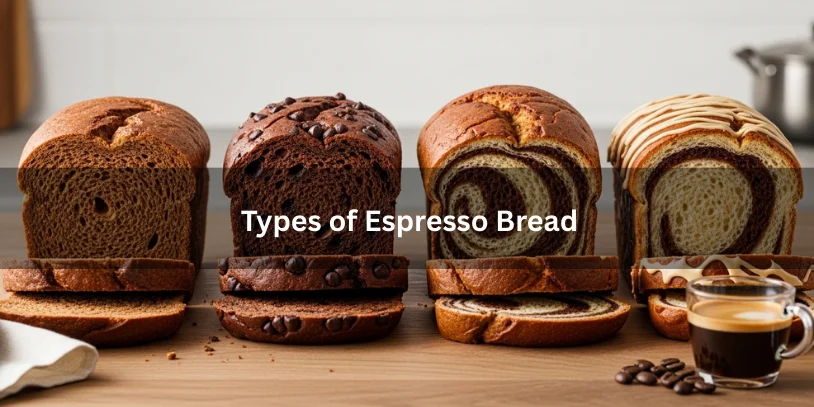
Sweet variations
- chocolate espresso bread
- coffee brioche
- espresso banana loaf
Savory variations
- olive espresso bread
- coffee sourdough
- espresso rye
Artisan bakery versions
Often found in specialty cafés or bakeries, sometimes paired with chocolate or cheese.
Brands and cafés experimenting with coffee-based baked goods include chains like Starbucks and coffee producers such as Lavazza.
Who Should Try Espresso Bread
This style of bread appeals to:
- home bakers exploring new flavors
- coffee lovers
- café owners and bakeries
- culinary students
- dessert enthusiasts
It’s especially popular in brunch menus and gourmet sandwich concepts.
When to Use Espresso Bread
Common uses include:
- breakfast toast
- dessert base
- gourmet sandwiches
- café menu items
- seasonal artisan loaves
Key Ingredients
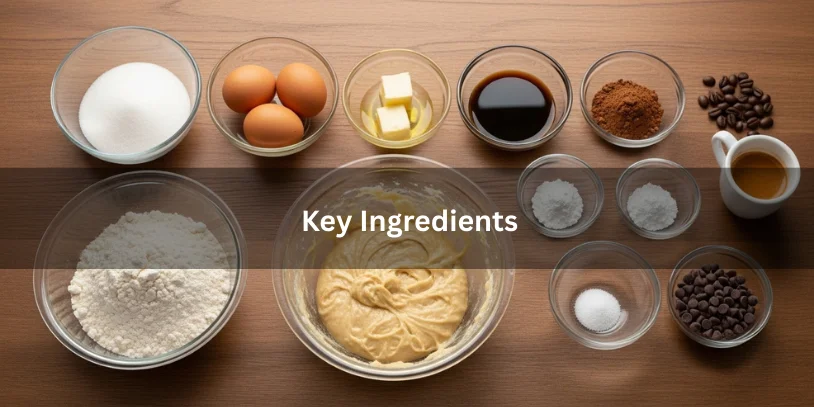
| Ingredient | Role in Bread |
|---|---|
| Bread flour | Structure and gluten |
| Espresso | Flavor and aroma |
| Yeast | Fermentation and rise |
| Sugar | Balances bitterness |
| Butter or oil | Moisture and softness |
| Salt | Flavor balance |
Espresso vs instant coffee
- Espresso = deeper flavor, smoother finish
- Instant coffee = stronger bitterness, easier to use
How Much Espresso to Add
General guidance:
- Replace 50–100% of water with espresso
- Adjust sugar to balance bitterness
- Increase hydration slightly if using coffee powder
Step-by-Step Espresso Bread Recipe
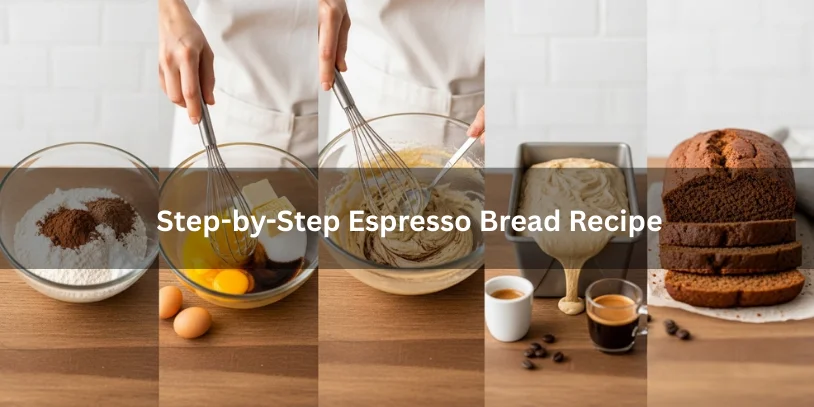
Ingredients
- 3 cups bread flour
- 1 cup brewed espresso (cooled)
- 2 tsp yeast
- 2 tbsp sugar
- 1 tbsp butter or oil
- 1 tsp salt
Method
- Brew espresso and let it cool.
- Combine flour, yeast, sugar, and salt.
- Add espresso and fat.
- Knead until elastic.
- Let dough rise until doubled.
- Shape into loaf.
- Bake at 180–200°C until golden.
- Cool before slicing.
Professional Baking Tips
- Use medium-roast coffee for balance.
- Avoid overly acidic espresso.
- Control fermentation time.
- Start with small batches to test flavor.
Equipment like stand mixers and machines from Breville help maintain consistency.
Flavor Pairing Ideas
Sweet pairings
- chocolate spread
- caramel glaze
- vanilla cream
Savory pairings
- aged cheese
- smoked meats
- roasted vegetables
Beverage matches
- cappuccino
- latte
- cold brew
Homemade vs Bakery: Which Is Better?
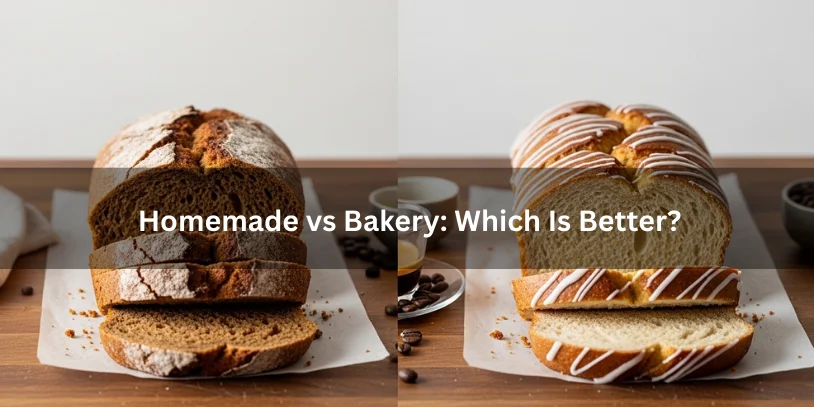
| Factor | Homemade | Bakery |
|---|---|---|
| Cost | Lower | Higher |
| Skill required | Moderate | None |
| Flavor control | High | Fixed |
| Convenience | Low | High |
Choose homemade if you enjoy experimenting.
Choose bakery if you want convenience and professional texture.
Pricing Expectations
- Homemade loaf: ingredient-cost level
- Artisan bakery: mid to premium
- Café serving: premium
Pricing depends on:
- coffee quality
- artisan branding
- production method
Buying Guide
When purchasing espresso bread:
Look for
- balanced aroma
- soft interior crumb
- caramelized crust
- fresh baking date
Ask bakeries
- which coffee was used
- whether espresso or powder
- sweetness level
Where to find it
- artisan bakeries
- specialty coffee cafés
- gourmet food markets
Search phrases often used:
- artisan espresso bread
- coffee bread bakery near me
- gourmet coffee loaf
Troubleshooting Common Issues
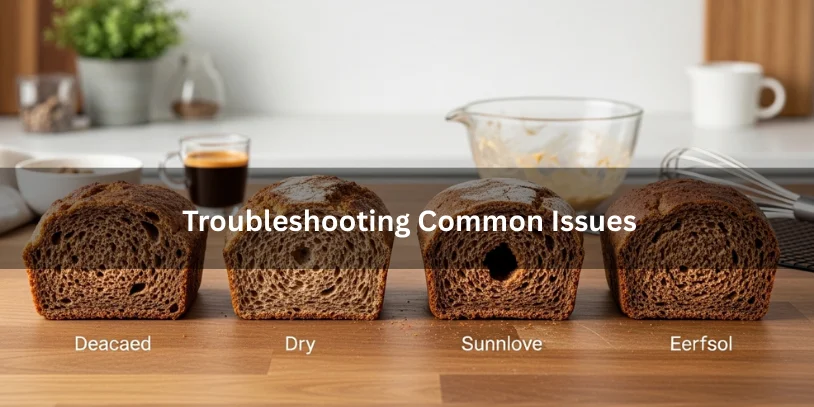
Weak flavor? Double espresso powder—many under-dose.
| Issue | Cause | Fix |
|---|---|---|
| Weak coffee taste | Low espresso | Use 2 tbsp powder |
| Dense loaf | Overmixing/heat slice | Gentle fold; full cool |
| Bitter overload | No balancers | Add sugar/cream |
| Dry crumb | Low fat | Yogurt/oil boost |
Common Mistakes
- Using too strong espresso
- Not adjusting sugar levels
- Incorrect hydration
- Over-proofing dough
- Using low-quality coffee
Pros and Cons
Pros
- Unique flavor profile
- Gourmet appeal
- Versatile uses
Cons
- Bitterness risk
- Requires flavor balance
- Not ideal for caffeine-sensitive individuals
Espresso Bread vs Other Coffee Baked Goods
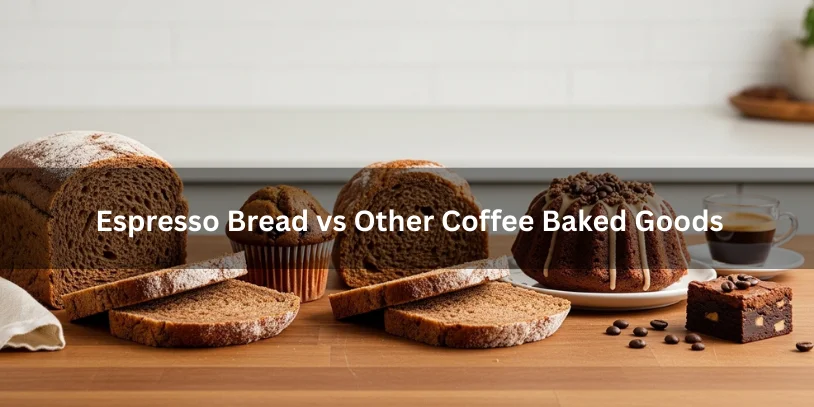
| Type | Texture | Flavor Strength |
|---|---|---|
| Espresso bread | Soft crumb | Mild |
| Coffee cake | Dense | Medium |
| Chocolate coffee loaf | Moist | Strong |
Storage and Shelf Life
- Room temperature: 2–3 days
- Refrigerated: up to a week
- Frozen: 2–3 months
Store in airtight packaging to preserve aroma.
Health Considerations
- Contains small caffeine levels
- Sugar content varies
- Whole-grain versions improve nutrition
It’s best enjoyed as part of a balanced diet.
Advanced Variations
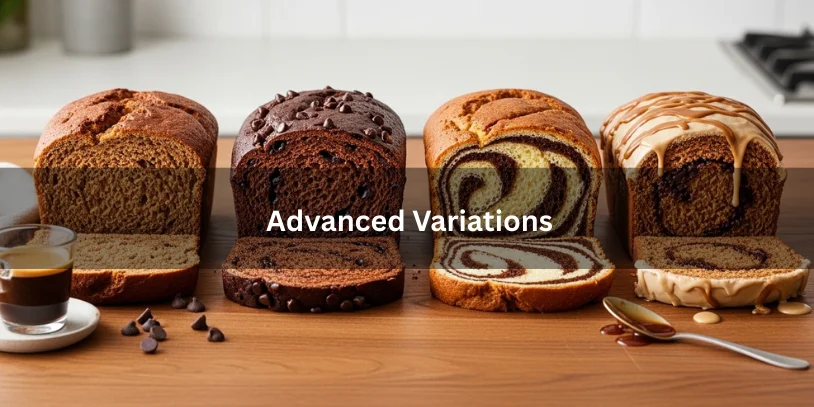
Espresso sourdough
Uses natural fermentation for complexity.
Chocolate espresso swirl
Combines cocoa and coffee for dessert bread.
Savory café loaf
Pairs espresso flavor with herbs and cheese.
Flavor Science: Why Espresso Works in Bread
Espresso’s Maillard reaction during baking deepens color and aroma, unlike mild brewed coffee. It solubilizes better in dough, avoiding graininess.
Storage: Freeze slices; thaw and toast revives flavor.
B2B Scaling for Cafés and Bakeries
Scale yeast recipe x4 in pro mixers; bread machines handle 2–3 daily batches affordably. Menu as “espresso walnut loaf” with lattes—upsell potential high.
Global tip: Source bulk espresso powder; adapt for local tastes (e.g., Karachi-style enriched breads benchmark plain loaf pricing).
Homemade vs buy: Bake if customizing; buy mixes for speed (check “coffee bread” labels).
Storing and Serving Ideas
Room temp: 2–3 days in tin. Fridge: Up to week (toast to refresh). Freezer: 3 months.
Serve toasted with espresso butter or as French toast.
FAQs
1) Does espresso bread taste strongly like coffee?
No. The flavor is subtle, aromatic, and balanced rather than intense.
2) Can instant coffee be used instead of espresso?
Yes. Espresso powder or instant coffee works but may taste slightly more bitter.
3) Is espresso bread sweet or savory?
Both versions exist. Sweet loaves use sugar and butter; savory versions use herbs or cheese.
4) Does baking remove caffeine?
Some caffeine reduces during baking, but small amounts remain.
5) What flour is best?
Bread flour gives better structure, while whole-grain flour adds nutrition.
6) Can beginners make espresso bread?
Yes. Basic yeast-bread skills are enough to start.
7) What roast works best?
Medium roast provides the best balance of flavor and aroma.
8) How do cafés use espresso bread?
For toast, sandwiches, dessert plates, and specialty brunch menus.
9) Can espresso replace water completely?
Yes, but hydration and sweetness must be adjusted.
Conclusion
Espresso bread combines artisan baking with specialty coffee to create a distinctive, aromatic loaf. Its appeal comes from balanced bitterness, rich aroma, and versatility in both sweet and savory applications.
Whether baked at home or purchased from a café, it offers a unique culinary experience. Start with a simple recipe, experiment with roast levels, and explore pairings to discover the style that fits your taste best.