
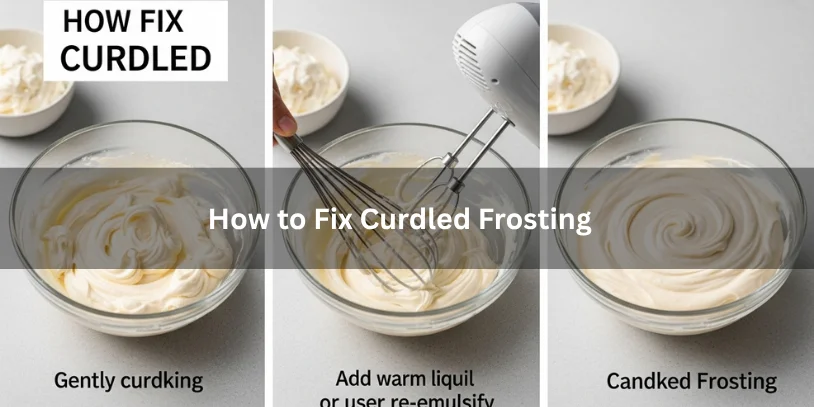
If your cream cheese frosting looks curdled, split, broken, or like cottage cheese, do not throw it out yet. In many cases, it can still be fixed.
The most common causes are temperature problems, overmixing, or too much liquid. This guide explains why cream cheese frosting curdles, how to fix it step by step, and how to tell the difference between curdled, lumpy, watery, and separated frosting.
Cream Cheese Frosting Curdled: Quick Answer
Curdled cream cheese frosting is usually a temperature or mixing problem, not a ruined batch. In most cases, the fix is to figure out whether the frosting is too cold, too warm, or too loose from extra liquid, then correct that gently and remix.
What Does Curdled Cream Cheese Frosting Mean?
Curdled frosting is frosting whose texture has broken. Instead of looking silky and spreadable, it may look:
- grainy
- lumpy
- greasy
- split
- soupy
- separated
- thick but rough
- glossy in some spots and broken in others
This usually means the emulsion has broken and the fat and liquid are no longer staying blended the way they should.
Why Did My Cream Cheese Frosting Curdle?
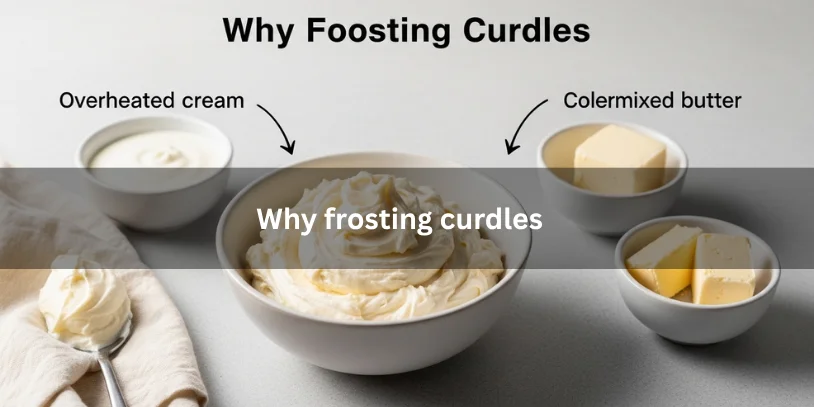
There are a few common causes, and the right fix depends on which one you are dealing with.
1. The frosting is too cold
This is one of the biggest reasons buttercream looks curdled. If the butter is too cold, it cannot blend smoothly with the rest of the mixture. The frosting often looks chunky, grainy, or like tiny soft curds.
2. The frosting is too warm
If the butter gets too soft, partly melted, or the kitchen is too hot, the frosting may turn greasy, loose, or soupy. It can still look broken, just in a different way.
3. The ingredients were not at matching temperatures
Room temperature is one of the most misunderstood baking terms. Butter, cream cheese, meringue, milk, cream, and flavorings need to be compatible in temperature. If one part is cold and another is warm, the texture can split.
4. Too much liquid was added too quickly
Milk, cream, vanilla extract, espresso, melted chocolate, fruit puree, or coloring can all push frosting out of balance if added too fast.
5. The frosting was overmixed
This is especially true for cream cheese frosting. Once it reaches the right consistency, extra beating can make it looser and more unstable.
Curdled vs Split vs Lumpy vs Watery Cream Cheese Frosting
These problems often get mixed together, but they are not always the same. Curdled frosting usually looks rough, broken, or cottage-cheese-like. Split frosting often looks separated, as if the fat and liquid are pulling apart. Lumpy frosting may simply have small soft chunks from temperature issues. Watery frosting usually means the mixture has loosened too much from warmth, overmixing, or added liquid.
If you identify the texture correctly first, the fix becomes much easier.
Quick Diagnosis: Too Cold, Too Warm, or Too Loose?
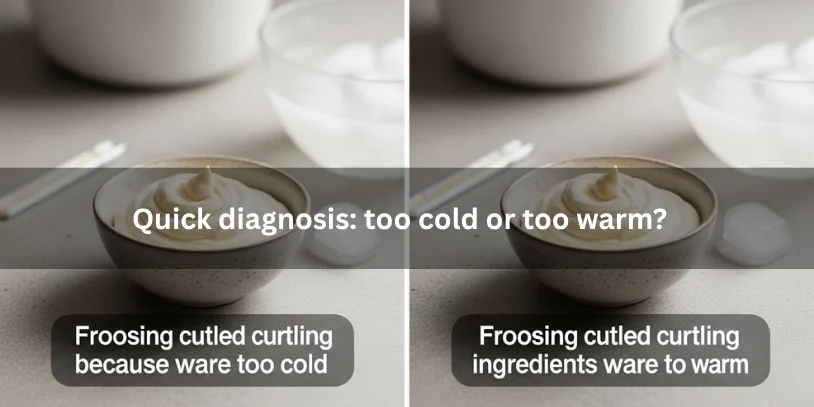
Before you try random fixes, use this simple guide.
| What the frosting looks like | Most likely issue | What to do |
|---|---|---|
| Grainy, curdled, lumpy, like cottage cheese | Too cold | Warm slightly and rewhip |
| Greasy, shiny, loose, or soupy | Too warm | Chill briefly and rewhip |
| Thin after adding liquid | Too much liquid | Rewhip, then add a little powdered sugar if needed |
| Split after adding butter to meringue | Temperature mismatch | Keep whipping, then warm or chill as needed |
| Cream cheese frosting looks soft and broken | Too warm or overmixed | Chill, then mix gently |
How to Fix Curdled Cream Cheese Frosting
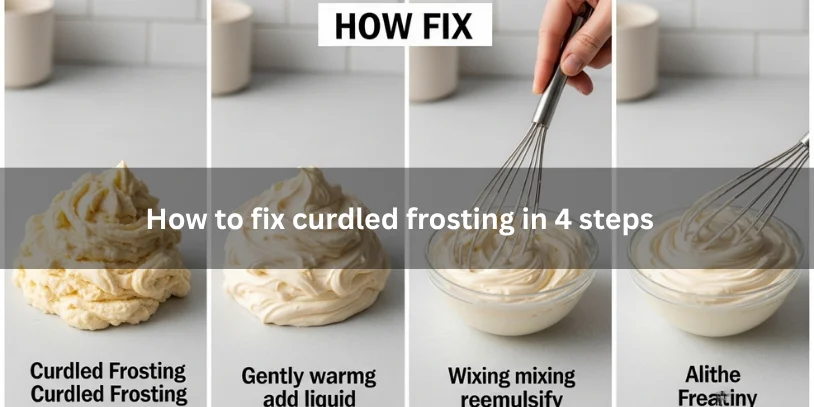
Step 1: Stop and look at the texture
Do not keep adding ingredients until you know the problem. First decide whether the frosting is cold and chunky or warm and loose.
Step 2: Adjust the temperature
- If it is cold and grainy, warm it slightly
- If it is warm and greasy, chill it briefly
Step 3: Rewhip
Use a stand mixer or hand mixer and beat until the texture turns smooth, glossy, and even.
Step 4: Reassess before adding anything else
Only add powdered sugar, butter, or cream if the texture still needs adjustment after rewhipping.
If your frosting looks grainy or curdled
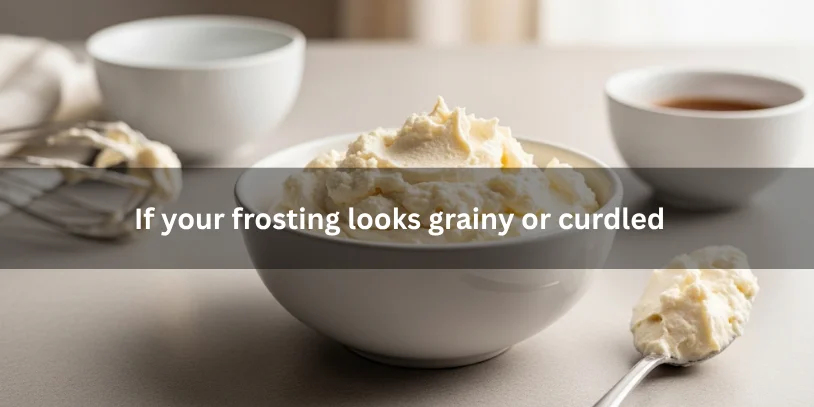
This usually means the frosting is too cold.
What to do
- Warm the outside of the bowl with your hands or a warm towel
- Or set the mixing bowl over a bowl of warm water for a few seconds
- Then whip again on medium speed
Do not melt the frosting. You only want to soften it slightly.
Best for
- American buttercream
- Swiss meringue buttercream
- Italian meringue buttercream
- frosting that has just come out of the refrigerator
If your frosting looks greasy or soupy
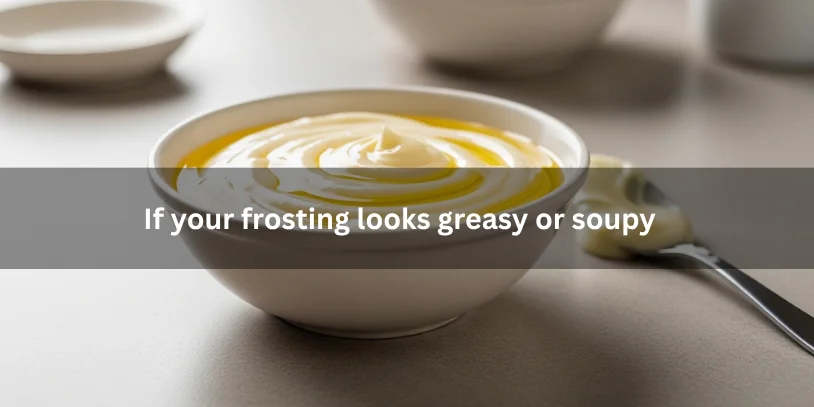
This usually means the frosting is too warm.
What to do
- Place the bowl in the refrigerator for 10 to 15 minutes
- Remove it before it becomes firm
- Rewhip until smooth
This is especially common in warm kitchens or when decorating near an oven.
Best for
- buttercream in summer
- frosting made with very soft butter
- cream cheese frosting that has loosened too much
- meringue buttercream after a warm bowl stage
How to Fix Split or Separated Cream Cheese Frosting
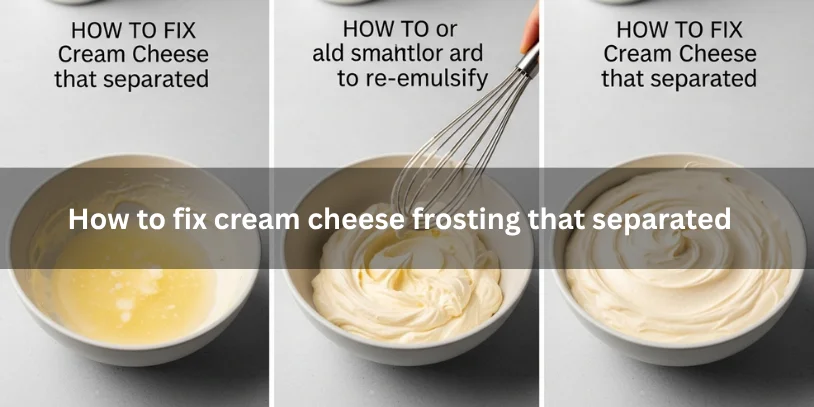
Cream cheese frosting is more delicate than buttercream. It can go from smooth to loose very quickly.
Why it happens
- cream cheese was too warm
- butter and cream cheese were not at matching temperatures
- it was overbeaten
- too much liquid flavoring was added
Fix
- Chill the frosting for 10 to 15 minutes
- Mix gently, not aggressively
- If needed, add a small amount of sifted powdered sugar
- Stop mixing as soon as it becomes smooth
Important note
Cream cheese frosting does not tolerate heavy whipping the way buttercream does. A lighter hand gives better results.
What If This Is Buttercream, Not Cream Cheese Frosting?
Buttercream can also look curdled, but the fix is not always exactly the same. Buttercream usually responds better to warming or chilling and rewhipping, while cream cheese frosting needs a lighter hand and can loosen more easily if beaten too much.
If your frosting is cream cheese based, follow the cream cheese fixes first rather than treating it like standard buttercream.
What if the frosting curdled after refrigeration?
This is common, especially with butter-based frostings.
After chilling, frosting can become stiff and uneven. When you try to whip it again, it may look rough before it smooths out.
What to do
- Let it sit at room temperature for a short time
- Rewhip slowly
- Warm the bowl slightly if needed
Do not assume refrigerated frosting is ruined just because it looks broken at first.
What if curdling started after adding milk, cream, or puree?
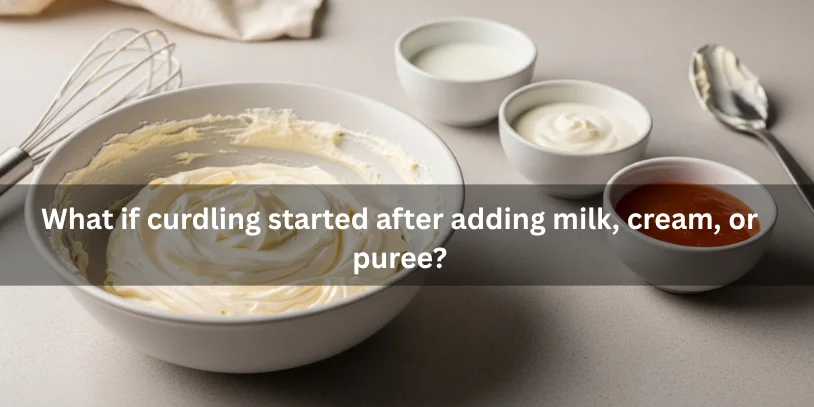
This usually means extra liquid disrupted the balance.
Best fix
- Rewhip first
- Add a little more powdered sugar if it stays too loose
- Next time, add liquids gradually in very small amounts
Cold milk or fruit puree can also cause a temperature clash, especially in buttercream.
When to start over
Not every batch can be rescued forever. Sometimes restarting is the better choice.
Start over if:
- the frosting still looks badly broken after two careful correction attempts
- butter has melted so much that the texture stays oily
- cream cheese frosting has become watery and unstable
- the flavor tastes off
- it has been sitting out too long and food safety is a concern
If the frosting contains dairy or cream cheese and has been left unrefrigerated for an unsafe amount of time, the issue is no longer only about texture.
Common mistakes that make curdled frosting worse
Avoid these if you want the batch to recover.
- overheating the bowl
- microwaving too aggressively
- adding large amounts of powdered sugar too early
- adding more liquid before fixing the temperature problem
- overbeating cream cheese frosting
- skipping the rewhip stage
- trying five fixes at once
A calm, controlled fix works better than panic mixing.
How to prevent frosting from curdling next time
The best rescue is not needing one.
Use proper room-temperature ingredients
Butter should be soft enough to dent with a finger, but not shiny or greasy. Cream cheese should be softened, but still cool and structured.
Match ingredient temperatures
Do not mix very cold milk into soft butter or warm cream cheese into cold butter.
Add liquids slowly
Vanilla extract, cream, fruit puree, or food coloring should go in gradually.
Watch the kitchen temperature
A warm kitchen changes frosting fast. If needed, chill the bowl or paddle between steps.
Use the right tools
Helpful tools include:
- stand mixer
- hand mixer
- whisk attachment
- spatula
- digital thermometer
- double boiler or bain-marie
- chilled bowl for warm-weather baking
Can you still use rescued frosting?
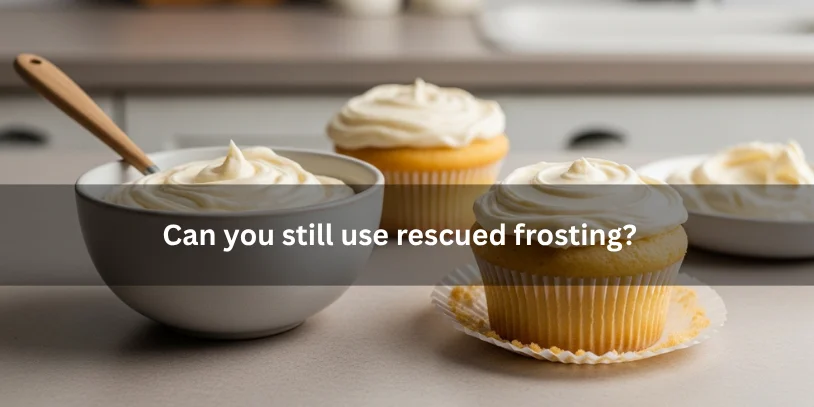
Usually, yes.
If the frosting becomes smooth, glossy, spreadable, and stable again, it is normally ready to use for:
- frosting cakes
- piping cupcakes
- filling layer cakes
- decorative swirls and borders
If the texture is still weak, it may still work as a filling even if it is not ideal for detailed piping.
A simple decision path
Use this when you need a quick answer in the kitchen.
- Looks lumpy or like cottage cheese? Warm slightly and rewhip.
- Looks greasy or soupy? Chill briefly and rewhip.
- Got loose after adding milk or cream? Rewhip, then add a little powdered sugar if needed.
- Cream cheese frosting broke? Chill and mix gently.
- Meringue buttercream split? Keep whipping first, then adjust temperature.
- Still broken after two careful tries? Restart.
FAQs
1. How do I fix curdled cream cheese frosting?
In most cases, chill it briefly if it feels too warm, or warm it very slightly if it feels too cold, then mix again gently. The right fix depends on whether the frosting looks curdled, watery, greasy, or separated.
2. Why did my cream cheese frosting curdle?
The most common causes are temperature mismatch, overmixing, or too much liquid. Cream cheese frosting is delicate, so even small changes can make it look broken.
3. Why does my cream cheese frosting look curdled?
It usually means the emulsion has broken. That can happen if the ingredients were too cold, too warm, or not at matching temperatures.
4. How do I fix split or separated cream cheese frosting?
Chill it for about 10 to 15 minutes, then mix gently. If needed, add a small amount of sifted powdered sugar, but do not keep whipping aggressively.
5. Can cream cheese frosting be overmixed?
Yes. Cream cheese frosting can loosen and separate if beaten too long, especially once it has already reached a smooth texture.
6. Why is my cream cheese frosting watery?
It is usually too warm, too loose from added liquid, or has been overmixed. Chilling it briefly and mixing gently often helps.
7. Can I still use curdled cream cheese frosting?
Yes, if you can bring it back to a smooth, stable texture. If it stays weak, it may still work as a filling even if it is not ideal for piping.
8. Is curdled cream cheese frosting safe to eat?
If the ingredients are fresh and the frosting has been stored safely, curdling is usually a texture issue, not a safety issue. But if it sat out too long, especially in a warm room, do not rely on texture fixes alone.
9. What causes cream cheese frosting to separate after refrigeration?
It often firms up unevenly in the fridge and can look broken when remixed too soon. Let it sit briefly, then mix again gently.
10. What is the easiest way to prevent cream cheese frosting from curdling?
Use ingredients that are close in temperature, avoid overbeating, and add liquids slowly in small amounts.
Conclusion
Curdled cream cheese frosting usually looks worse than it really is. In many cases, the problem is not that the batch is ruined, but that the temperature, mixing, or liquid balance slipped out of place.
Once you identify whether the frosting is too cold, too warm, too loose, or overmixed, the fix becomes much easier. A gentler approach usually works best with cream cheese frosting, and in many cases you can bring it back to a smooth, stable texture without starting over.