
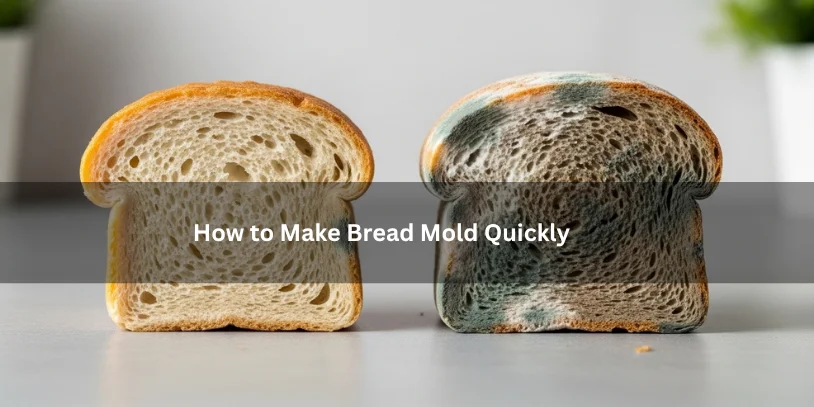
If you want to make bread mold quickly, the fastest method is to place slightly damp bread in a sealed zip-top bag and keep it in a warm, dark place. Bread with fewer preservatives usually molds faster, while refrigeration slows fungal growth.
This is a common goal for science fair projects, classroom experiments, and home demonstrations about fungi, food spoilage, moisture, and temperature. The trick is not to “add mold” yourself, but to create the conditions mold spores need to grow fast on a porous food like bread.
Bread is especially useful for this because it is soft, nutrient-rich, and able to hold moisture. Once airborne mold spores land on it, fungal growth can begin if the environment is right.
What Makes Bread Mold Quickly?
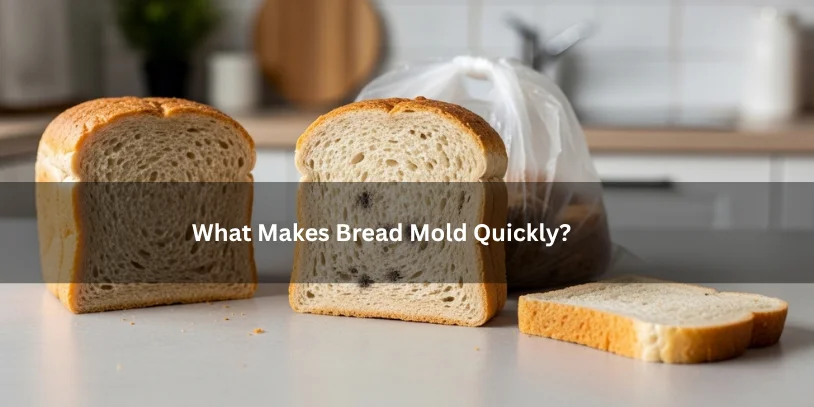
Mold grows faster when five conditions come together:
- Moisture
- Warmth
- Limited airflow
- Organic food material
- Time without disturbance
That is why damp bread sealed in a bag often develops visible mold faster than dry bread left out in the open.
Mold spores are already present in indoor and outdoor air. They do not need much encouragement. Give them a warm, humid place and a food source, and they can begin colonizing the bread surface.
Why Bread Is So Easy for Mold to Grow On
Bread is a porous food, which means mold can spread below the visible surface. What you see on top may only be part of the fungal growth. That is also why moldy bread should never be eaten, even if only one corner looks affected.
Commercial bread often lasts longer because preservatives slow spoilage. Homemade bread, bakery bread, and some whole wheat loaves can mold faster because they may contain fewer preservatives and sometimes hold moisture differently.
Sourdough can behave differently from standard white bread because acidity, or pH, can affect microbial growth. It does not always mold the fastest.
The Fastest Safe Method to Make Bread Mold Faster
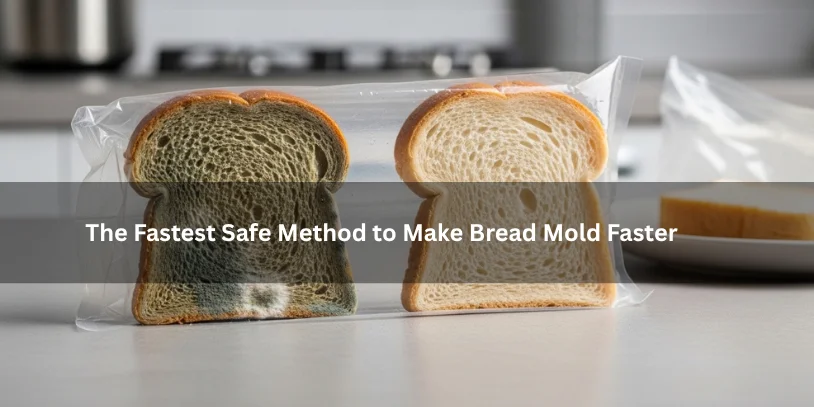
If your goal is speed, use this method.
What you need
- 2 to 4 slices of bread
- Zip-top plastic bags or airtight containers
- Clean water
- A spray bottle or spoon
- Marker for labeling
- Disposable gloves
- Observation chart or notebook
Step-by-step instructions
1. Choose the right bread
Use bread that is fresh and low in preservatives if possible. Homemade bread, bakery bread, and whole wheat bread often work well for experiments.
2. Add slight moisture
Lightly mist the bread or place a few drops of water on it. The bread should be slightly damp, not soaked. Too much water can make the bread soggy and may affect how clearly the mold develops.
3. Seal it immediately
Place the bread in a zip-top bag and seal it. This creates a humid environment that supports mold spores and fungal growth.
4. Store it in a warm, dark place
Put the sealed bag in a cupboard, cabinet, pantry shelf, or another warm room away from direct sunlight. A warm dark humid environment usually speeds growth better than open air or cold storage.
5. Observe daily without opening
Check the bread once a day from outside the bag. Look for white, green, blue, or black fuzzy patches, small dots, or changing texture.
6. Keep the bag sealed once mold appears
Do not open the bag to smell or touch the bread. Some molds can trigger allergies, irritation, or respiratory problems, and some may produce mycotoxins.
7. Dispose of it safely
When the experiment is done, seal the bag inside another bag and throw it away. Wash your hands afterward.
Best Conditions for Bread Mold Growth
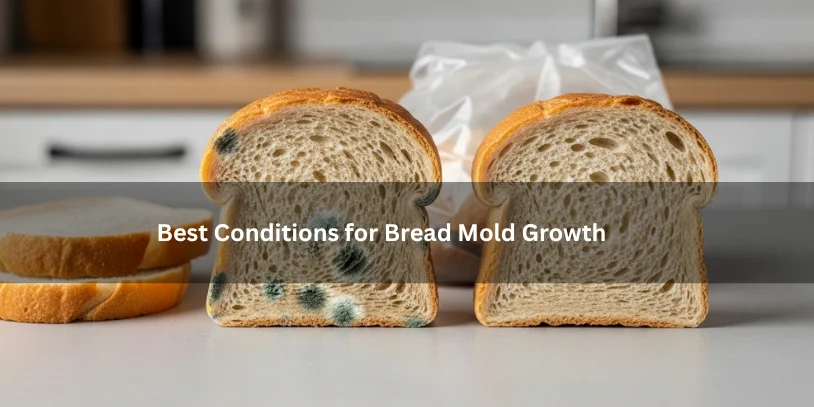
The table below shows what speeds mold up and what slows it down.
| Factor | Speeds Mold Growth | Slows Mold Growth |
|---|---|---|
| Moisture | Slightly damp bread | Very dry bread |
| Temperature | Warm room temperature | Refrigerator or cold room |
| Light | Dark storage area | Direct sunlight or fluctuating heat |
| Bread Type | Homemade, bakery, low-preservative bread | Highly processed preservative-heavy bread |
| Air Exposure | Sealed zip-top bag | Open air with less humidity |
| Handling | Left undisturbed | Frequent opening or touching |
Which Bread Molds the Fastest?
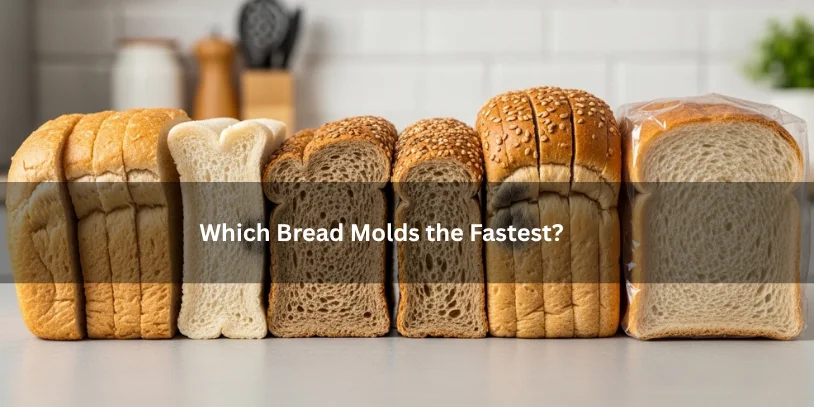
There is no universal winner every time, but these patterns are common:
Usually faster
- Homemade bread
- Bakery bread
- Whole wheat bread
- Bread with fewer preservatives
Usually slower
- Highly processed packaged white bread
- Bread stored in the fridge
- Toasted or dried bread
- Bread with stronger preservatives
A useful science fair comparison is:
| Bread Type | Likely Speed | Why |
|---|---|---|
| Homemade bread | Fast | Fewer preservatives |
| Bakery bread | Fast | Fresh and often less processed |
| Whole wheat bread | Medium to fast | Can retain moisture well |
| White sandwich bread | Medium | Depends on brand and preservatives |
| Preservative-heavy packaged bread | Slow | Spoilage is delayed |
| Sourdough | Variable | Acidity may affect mold behavior |
Does Wet Bread Mold Faster Than Dry Bread?
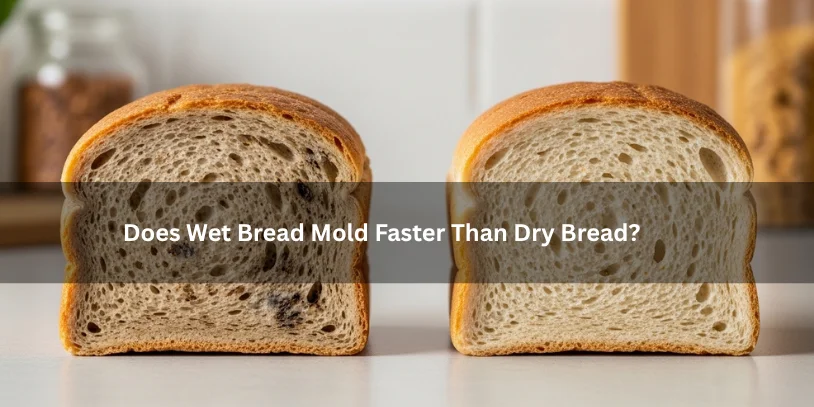
Yes, slightly damp bread usually molds faster than dry bread.
Moisture is one of the biggest factors in fungal growth. Mold spores need water to activate and spread. But there is an important difference between slightly damp and too wet.
Slightly damp bread
- Better for visible mold growth
- Easier to compare in an experiment
- More likely to give clean results
Soaked bread
- Can become messy or collapse
- May create confusing results
- Can encourage breakdown before visible fuzzy mold forms
For most experiments, slightly damp is best.
Does Bread Mold Faster in the Dark?
Darkness can help, but warmth and moisture matter more.
A dark cupboard is useful because it often stays more stable than a sunny windowsill. Direct sunlight may dry the bread out or create inconsistent heat. If you want reliable results, store the sealed bag in a warm, dark place instead of bright sun.
How Long Does Bread Take to Mold?
That depends on the bread type, room temperature, humidity, and preservatives.
Under favorable conditions, visible mold may appear in a few days. In other setups, it can take over a week.
Typical timeline
- Fast setup: a few days
- Average setup: several days to a week or more
- Slow setup: longer if the bread is dry, cold, or preservative-heavy
If your project has a deadline, start early and test more than one slice.
A Bread Mold Experiment You Can Actually Use
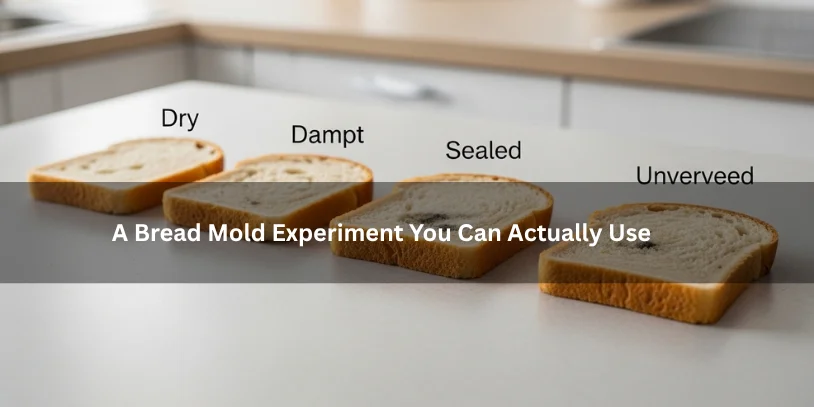
If you are doing a classroom experiment or science fair, do not rely on just one sample. Use multiple bags and test variables.
Sample experiment setup
- Bag A: dry white bread
- Bag B: damp white bread
- Bag C: damp whole wheat bread
- Bag D: damp bread in the refrigerator
- Bag E: damp bread in a warm dark cupboard
This lets you compare moisture, temperature, and bread type.
Observation chart example
| Day | Sample | Visible Change | Mold Color | Notes |
|---|---|---|---|---|
| 1 | Damp whole wheat | No mold yet | None | Condensation visible |
| 3 | Damp whole wheat | Small fuzzy patch | White | First growth |
| 5 | Warm dark sample | Larger spread | Green | Fastest sample so far |
| 7 | Refrigerator sample | Little change | None or tiny spot | Slow growth |
This kind of chart makes your experiment more useful than just waiting for one slice to spoil.
Common Mistakes That Stop Bread From Molding Fast
Many failed bread mold experiments come down to one of these errors:
- Using bread that is too dry
- Using too much water
- Leaving the bag open
- Putting the bread in the fridge
- Using only one slice and hoping for fast results
- Opening the bag after mold appears
- Choosing highly preserved bread without testing alternatives
A lot of people searching “how to make bread mold quickly” are really asking, “Why is my bread not molding?” In most cases, the answer is one of these conditions.
What to Do If Your Bread Is Not Molding
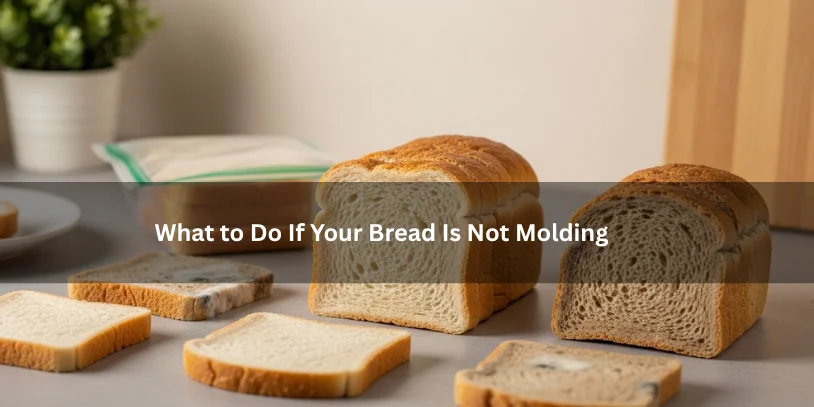
If nothing is happening after several days, try this troubleshooting checklist:
Check the bread
Was it highly processed or full of preservatives? Try bakery bread or homemade bread.
Check the moisture
Was it slightly damp? If the bread was bone dry, growth may be slow.
Check the temperature
Cold rooms and refrigerators slow mold. Move the sample to a warm room.
Check the storage
Was the bag fully sealed? Humidity matters.
Check the setup
Use several samples instead of one. Mold growth can vary.
Important Safety Warnings
This is the part many light science pages do not explain well.
Mold is a fungus. Some species found on bread can include Rhizopus nigricans, Penicillium expansum, Penicillium stolonifer, and Aspergillus niger. You do not need to identify the exact species for a school experiment, but you do need to treat all moldy bread carefully.
Do not do these things
- Do not eat moldy bread
- Do not cut off the mold and eat the rest
- Do not smell the bread closely
- Do not touch visible mold with bare hands
- Do not open the bag once mold appears
Bread is porous, so mold can spread beyond what you can see. That is why food safety guidance from organizations like the USDA and EPA is stricter for moldy bread than for some hard foods.
Safe handling tips
- Use gloves if moving the sealed bag
- Keep it away from kitchen prep areas
- Keep it away from children and pets
- Dispose of it in a sealed outer bag
- Wash hands after handling
Why Preservatives Matter So Much
Preservatives in commercial bread are designed to slow spoilage, including fungal growth. That is why one store-bought loaf may stay normal-looking much longer than a bakery loaf.
If your project is about “what makes bread mold faster,” preservatives are one of the smartest variables to test. A preservative-free loaf and a standard packaged white loaf can behave very differently under the same conditions.
Quick Decision Guide
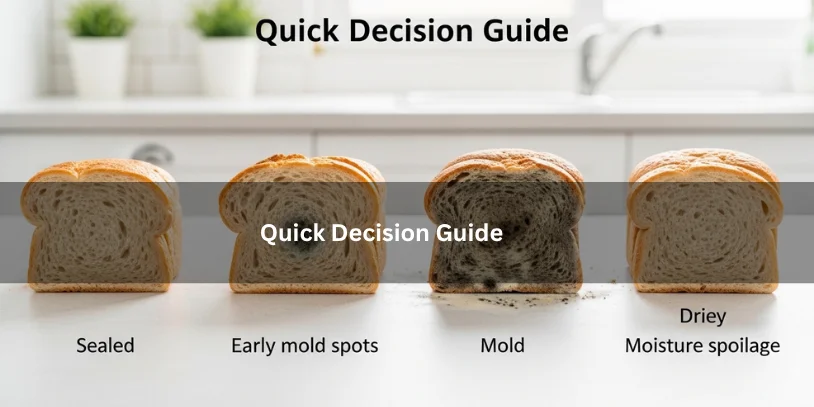
If your goal is this, use this setup:
| Goal | Best Option |
|---|---|
| Fastest visible mold | Slightly damp bread in a sealed bag in a warm dark place |
| Science fair comparison | Multiple breads with controlled variables |
| Safety-first classroom demo | Sealed labeled bags with daily outside observation |
| Testing preservatives | Bakery bread vs packaged bread |
| Testing temperature | Warm cupboard vs refrigerator |
People also ask during this topic
A lot of users also want to know whether mold is dangerous, whether bread can mold in the fridge, and whether white bread or whole wheat bread works better. Those are not side issues. They are part of the same decision path.
If someone wants fast mold growth, they also need:
- the right environment,
- the right bread type,
- realistic timing,
- and safe handling.
That is what makes this topic more than a simple one-line answer.
FAQs
1. How do you make bread mold quickly?
The fastest method is to place slightly damp bread in a sealed zip-top bag and store it in a warm, dark place. Low-preservative bread usually molds faster.
2. What type of bread molds the fastest?
Homemade bread, bakery bread, and some whole wheat loaves often mold faster than highly processed commercial bread because they usually contain fewer preservatives.
3. Does water make bread mold faster?
Yes, a little moisture helps mold grow faster. Bread should be slightly damp, not soaked.
4. Does bread mold faster in the dark?
Darkness can help by keeping conditions stable, but warmth and moisture are usually more important than light alone.
5. How long does bread take to mold?
It can happen in a few days under ideal conditions, but some bread takes a week or longer depending on temperature, humidity, and preservatives.
6. Can bread mold in the fridge?
Yes, but more slowly. Refrigeration generally slows fungal growth compared with a warm room.
7. Is moldy bread dangerous?
It can be. Moldy bread should not be eaten, smelled closely, or handled carelessly because spores and hidden growth can spread through the porous bread.
8. Why is my bread not molding?
Common reasons include dry bread, cold storage, too many preservatives, an unsealed bag, or not enough time.
9. Does homemade bread mold faster than store-bought bread?
Often yes. Homemade bread usually has fewer preservatives, so spoilage can appear sooner under the same conditions.
Conclusion
If you want to make bread mold quickly, focus on the conditions mold needs most: slight moisture, warmth, darkness, and a sealed humid environment. Bread with fewer preservatives usually works faster, while refrigeration and dryness slow the process down.
For the best results, use more than one sample, label each bag, compare variables like wet vs dry or warm vs cold, and never ignore safety. A good bread mold experiment is not just about getting fuzzy spots fast. It is about understanding why fungi grow, what affects food spoilage, and how to handle mold responsibly.