
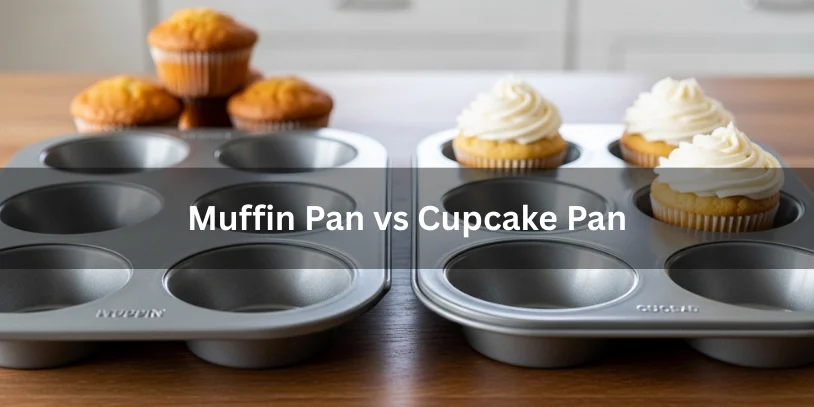
At first glance, muffin pans and cupcake pans look almost identical, so it is easy to assume they are exactly the same. In many home kitchens, they are often used interchangeably. The real difference usually comes down to cup size, depth, and how the pan is being used.
That means the pan itself may be very similar, but the results can still change depending on the batter, fill level, liner size, and baking time. This guide explains when muffin pans and cupcake pans are effectively the same, when small differences matter, and how to get better results with either one.
Muffin Pan vs Cupcake Pan: Quick Answer
Yes, in most kitchens a muffin pan and a cupcake pan are basically the same type of pan. The bigger difference is usually how the pan is used, what size the cups are, and whether you are baking muffins or cupcakes for texture, rise, and presentation.
If both pans are standard size, many recipes can work in either one. The main issues usually show up when the cups are deeper, larger, jumbo-sized, or paired with the wrong liners and bake time.
What Is a Muffin Pan?
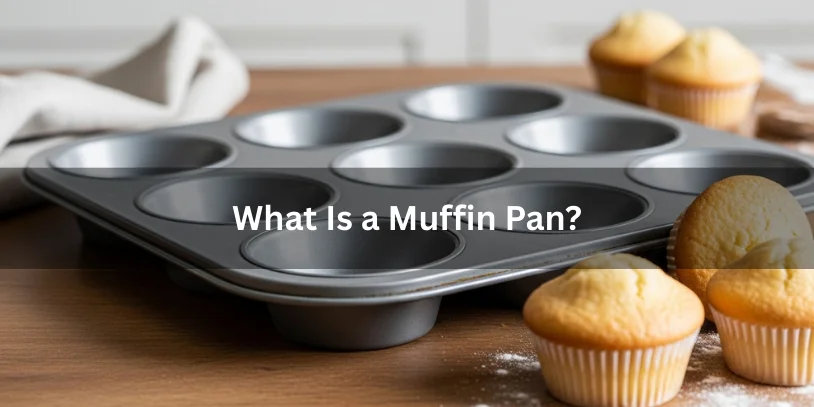
A muffin pan, also called a muffin tin, is usually used for muffins, savory bakes, mini quiches, and other slightly heartier batters. In many cases, it looks very similar to a cupcake pan, especially in standard 12-cup home bakeware.
What usually makes it feel more “muffin-like” is the way it is used: fuller portions, less focus on liners and frosting, and recipes that often create a domed top.
What Is a Cupcake Pan?
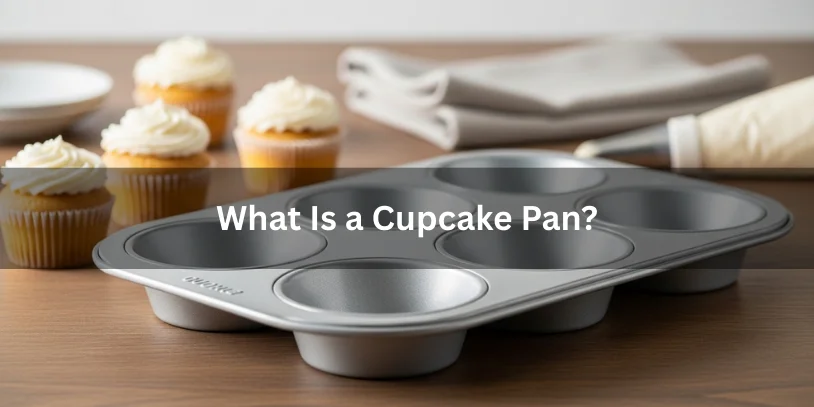
A cupcake pan is usually used for lighter cake-style batters, especially when even size and presentation matter. In many kitchens, it is the same basic pan shape as a muffin pan, but people often call it a cupcake pan when the recipe is meant for cupcakes, liners, and frosting.
That is why the name often reflects the recipe and use case as much as the pan itself.in professional settings.
Muffin Pan vs Cupcake Pan: What’s the Difference?
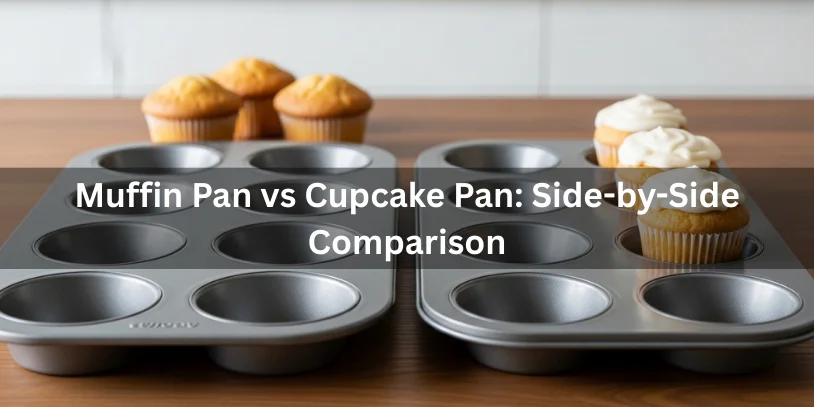
| Feature | Muffin Pan | Cupcake Pan |
|---|---|---|
| Cup depth | Deeper | Shallower |
| Cup volume | Larger (4–5 oz) | Standard (3–3.5 oz) |
| Batter type | Dense, chunky | Light, smooth |
| Rise pattern | Tall, domed | Even, level |
| Frosting space | Limited | Ideal |
| Liner compatibility | Jumbo or specialty | Standard cupcake liners |
| Typical use | Breakfast & savory | Desserts |
This difference in volume and depth is the single most important factor affecting baking results.
Shape and Size
Most standard muffin pans and cupcake pans look very similar, which is why many bakers treat them as the same tool. The noticeable differences usually show up when you compare mini, jumbo, or specialty pans rather than standard home pans.
Depth and Capacity
Depth and cup volume are what usually affect results the most. A slightly deeper or larger cup can change how high the batter rises, how long it takes to bake, and how full the finished bake looks.
This is why two pans that seem almost identical can still give slightly different results if the cavities are not the same size.
How They Are Used
Muffins are often baked for a domed, heartier finish, while cupcakes are usually baked for a neater, more even result that works well with liners and frosting. In practice, the recipe and the fill level often matter as much as the pan name..
Liners and Presentation
Cupcakes are more often tied to standard liners, even sizing, and decorative presentation. Muffins may also use liners, but they are often baked with less emphasis on decoration and more focus on texture and portion size.
Are Muffin and Cupcake Pans Actually the Same?
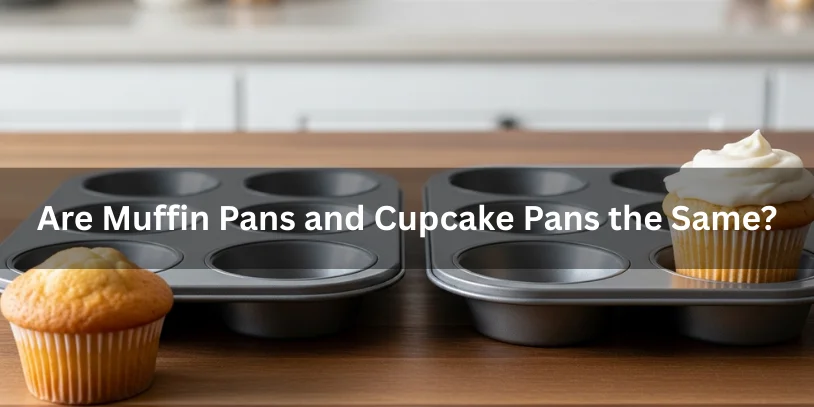
In many cases, yes, they are basically the same kind of pan. Standard muffin pans and standard cupcake pans are often interchangeable in home baking, especially when they have the same number of cups and similar cavity size.
Where the difference starts to matter is size, depth, liner fit, and the type of recipe you are baking. That is why some bakers say they are the same, while others notice different results in practice.
Can You Use a Muffin Pan for Cupcakes?
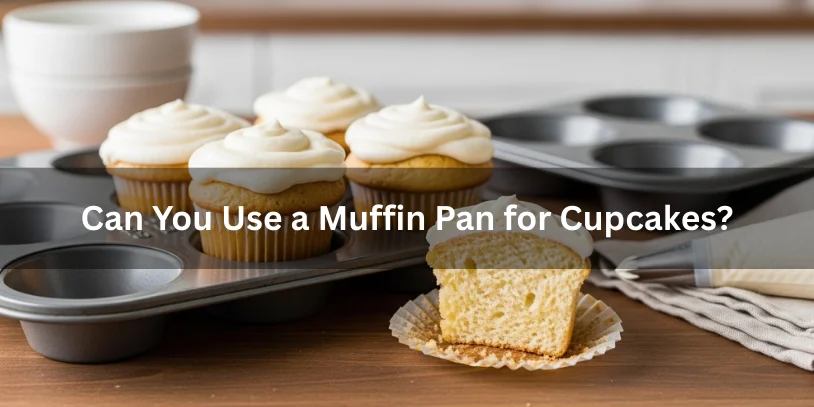
Yes, but with adjustments.
What to expect
- Larger cupcakes
- Wider tops
- Longer bake time
- Less frosting-friendly shape
How to adjust
- Fill cups only halfway
- Reduce oven temperature slightly
- Extend bake time and test early
Cupcakes baked in muffin pans often look more rustic and less uniform, which may be fine for casual baking but not ideal for presentation or sales.
Can You Use a Cupcake Pan for Muffins?
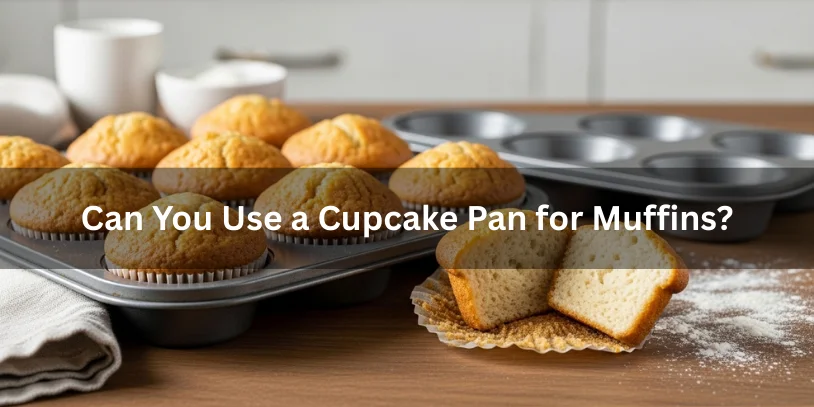
Yes, with limits.
What to expect
- Smaller muffins
- Faster baking
- Less domed tops
Risks
- Overflow if overfilled
- Dry texture if not monitored
- Loss of traditional muffin appearance
This substitution works best for lighter muffins or when portion control matters.
How to Adjust Baking When Switching Pans
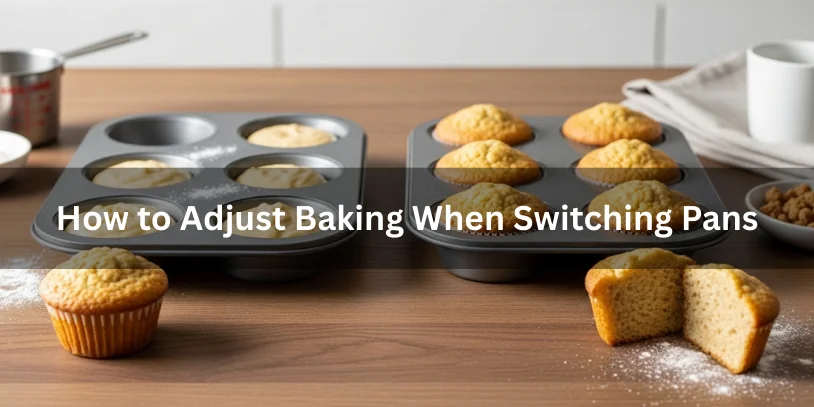
When substituting one pan for another, small changes make a big difference.
Step-by-step adjustment guide
- Adjust fill level
- Muffin pan: fill ⅔ to ¾ full
- Cupcake pan: fill ½ to ⅔ full
- Watch oven temperature
- If downsizing cups, reduce temperature slightly
- If upsizing, expect longer bake time
- Check doneness early
- Start checking 5–8 minutes before recipe time
- Test properly
- Toothpick should come out clean
- Internal texture should feel set, not wet
Does Pan Material Matter?
Yeh simpler aur clearer hai.
The pan material affects heat conduction and consistency.
Common bakeware materials
- Aluminum: Excellent heat transfer, professional standard
- Steel (nonstick): Durable, slightly slower heating
- Silicone: Flexible but slower and less browning
- Ceramic: Attractive but uneven heat distribution
For consistent results, aluminum or heavy-gauge steel pans outperform lightweight alternatives.
Muffin Tin vs Cupcake Tin vs Tray: Is There Any Difference?
In everyday baking language, pan, tin, and tray are often used to mean the same kind of bakeware. A muffin tin, cupcake tin, muffin tray, and cupcake tray are usually just different names people use for pans with multiple cup-shaped cavities.
The more important difference is usually size rather than the word itself. Standard, mini, jumbo, and specialty versions matter more than whether someone calls it a pan, tin, or tray.
Does Pan Size Matter for Muffins and Cupcakes?
Yes, pan size matters because it affects batter volume, bake time, rise, and final shape. Standard pans are often interchangeable, but mini and jumbo pans can behave very differently.
That is why a recipe written for a standard cupcake pan may not work the same way in a jumbo muffin pan without changes to fill level and baking time.
When You Can Use the Same Pan for Both
If you have a standard 12-cup pan, you can usually use it for both muffins and cupcakes without much trouble. The bigger difference is often in the recipe, liner size, fill level, and bake time rather than the pan name itself.
This is why many home bakers use one pan for both and get perfectly good results. The problems usually start when the pan is mini, jumbo, unusually deep, or paired with the wrong amount of batter.
Do You Need Both a Muffin Pan and a Cupcake Pan?
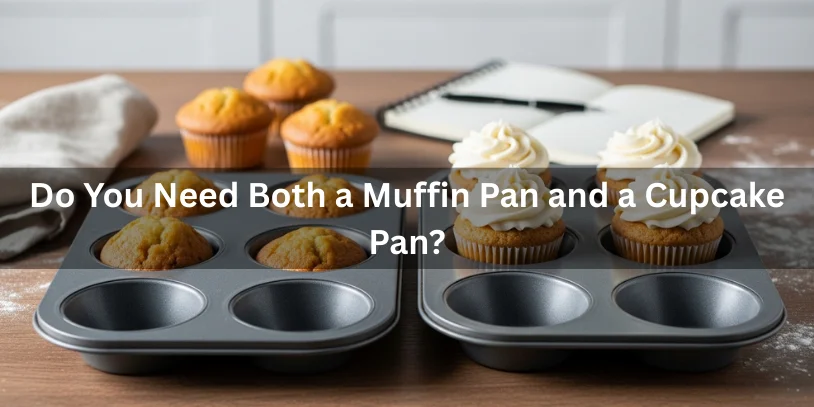
For occasional baking, one standard pan can often work for both muffins and cupcakes with small adjustments. For frequent baking, owning both can be more convenient, especially if you regularly switch between decorative cupcakes and larger, heartier muffins.
If you mostly bake cupcakes, a standard cupcake pan is usually enough. If you often bake breakfast muffins, savory bakes, or larger portions, a muffin pan becomes more useful.
Common Mistakes That Ruin Results
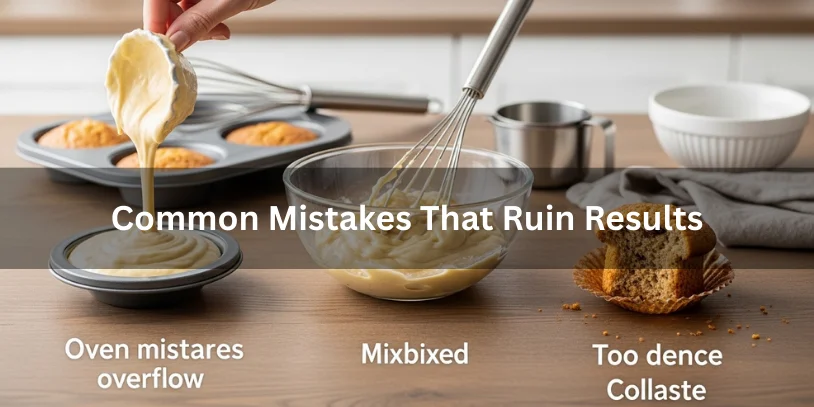
- Overfilling deep muffin cups
- Using standard liners in jumbo muffin pans
- Ignoring bake-time changes
- Assuming all “12-cup pans” are the same size
- Switching pan materials without adjusting time
Most baking problems blamed on recipes are actually pan issues.
Creative and Alternative Uses
Both pans can be used for more than muffins or cupcakes. Cupcake pans work well for mini cheesecakes and portioned desserts, while muffin pans are often useful for mini meatloaves, egg cups, and other savory bakes.
FAQs
1. Is a muffin pan the same as a cupcake pan?
In many home kitchens, yes, they are basically the same kind of pan. The main differences usually come from cup size, depth, and how the pan is being used.
2. Are muffin and cupcake pans actually interchangeable?
Often, yes. Standard pans can usually be used for both, but bake time, fill level, and final appearance may change a little.
3. What is the difference between a muffin pan and a cupcake pan?
The biggest differences are usually depth, capacity, liner fit, and how the recipe is meant to bake. Muffins often need more space for a domed rise, while cupcakes usually aim for even size and frosting-friendly tops.
4. Is a muffin tin the same as a cupcake tin?
Usually yes. In everyday baking language, muffin tin and cupcake tin often refer to the same kind of pan.
5. Is there a difference between a muffin tray and a cupcake tray?
Usually not in everyday use. The words pan, tin, and tray are often used interchangeably for the same type of bakeware.
6. Can I use a muffin pan for cupcakes?
Yes. You may just need to adjust the fill level and keep an eye on baking time.
7. Can I use a cupcake pan for muffins?
Yes, especially for lighter muffins. The muffins may bake faster and come out smaller with less dome.
8. Does pan size matter for muffins and cupcakes?
Yes. Mini, standard, and jumbo pans can change bake time, rise, and portion size.
9. Do standard cupcake liners fit muffin pans?
They usually fit standard muffin pans, but not always jumbo or specialty muffin pans.
10. Do I need both a muffin pan and a cupcake pan?
Not always. For occasional baking, one standard pan can often do both jobs, but frequent bakers may prefer having both.
Conclusion
In most kitchens, a muffin pan and a cupcake pan are basically the same kind of pan. The real differences usually come from cup size, depth, liner fit, and the type of batter you are baking.
That means one standard pan can often work for both muffins and cupcakes, especially for casual home baking. But when size, presentation, or bake consistency really matter, the small differences become more noticeable.