
If you keep asking, “why are my cupcakes flat,” the good news is that this is usually a fixable baking problem, not a mystery. Flat cupcakes normally happen when the batter does not build enough lift or cannot hold its structure while baking.
The most common causes are expired baking powder or baking soda, low oven temperature, overmixing, incorrect flour measurement, too much liquid, underbaking, or filling the cupcake liners incorrectly. Sometimes the recipe itself is also part of the problem.
Flat cupcakes matter because they affect more than appearance. They can also signal issues with crumb, texture, moisture balance, and overall structure. If you want a fluffy cupcake with a nice dome, or even a neat level top that still feels soft and tender, you need to know what went wrong.
Quick answer: why are my cupcakes flat?
Cupcakes usually come out flat because they did not get enough lift from the leavening agent, or the batter structure was too weak to hold the rise. In most cases, the issue comes down to baking powder, oven heat, mixing method, or ingredient ratios.
What flat cupcakes actually mean
Not all flat cupcakes are bad.
Some cupcake recipes are meant to bake with a flatter top. That can actually be useful if you want a smooth surface for frosting, piping, or decorating. A level top is not the same thing as a failed cupcake.
The real problem is when the cupcakes are flat and also:
- dense
- gummy
- pale
- oily
- sunken after cooling
- too compact for a soft crumb
That is when the flat top becomes a troubleshooting clue.
The most common reasons cupcakes turn flat
1. Your baking powder or baking soda is old
This is one of the biggest reasons cupcakes do not rise.
Baking powder and baking soda are leavening agents. They help produce gas that lifts the batter in the oven. If they are expired or weak, your cupcakes may stay low and flat.
You can test them at home:
- Baking powder should fizz in warm water
- Baking soda should bubble in vinegar or lemon juice
If there is barely any reaction, replace it.
2. Your oven temperature is too low
A cool oven can ruin cupcake rise.
When the oven temperature is lower than it should be, the batter spreads and bakes slowly before the structure has time to set. That often leads to cupcakes that look pale, flat on top, and sometimes slightly gummy in the center.
This is why an oven thermometer helps so much. A lot of home ovens do not match the number on the dial.
3. You overmixed the batter
Overmixing is one of the most common texture mistakes in cupcake baking.
Once flour meets liquid, gluten starts developing. Too much mixing builds extra strength into the batter, which is not what cupcakes need. Cupcakes should be tender and light, not chewy like bread.
Overmixed batter often leads to:
- flat cupcakes
- dense cupcakes
- tunnels in the crumb
- tougher texture
Mix until the ingredients are combined, then stop.
4. You measured flour incorrectly
Cupcake structure depends on balance.
If you add too much flour, the batter becomes heavy and dry. If you add too little, the structure may be too weak to rise and hold shape. This is why flour measurement matters more than many bakers realize.
The most accurate method is a digital kitchen scale. If you are measuring by cups, spoon the flour into the cup and level it off instead of scooping directly from the bag.
5. Your batter had too much liquid or fat
Too much milk, oil, butter, sour cream, or buttermilk can weigh the batter down.
A batter that is too loose may puff a little, then flatten during baking or after cooling. Chocolate cupcakes can be more prone to this because cocoa powder, hot liquid, and oil-based recipes sometimes create a softer structure.
If your cupcakes are flat but moist, that may be the issue.
6. You underbaked them
A cupcake can look done on top while still being underbaked inside.
If the center has not fully set, the cupcakes may cool into a flatter shape or even sink slightly. This is especially common when the oven runs cool or when the batter is heavy.
Check for doneness by:
- lightly pressing the top to see if it springs back
- inserting a toothpick into the center
- looking for set edges and an even top
7. You filled the cupcake liners incorrectly
Cupcake liners that are underfilled often produce short, flat cupcakes.
Cupcake liners that are overfilled can bake unevenly and spread out rather than rise properly.
A good standard is to fill the liners about two-thirds to three-quarters full, depending on the recipe and the muffin pan.
Flat vs domed vs sunken cupcakes
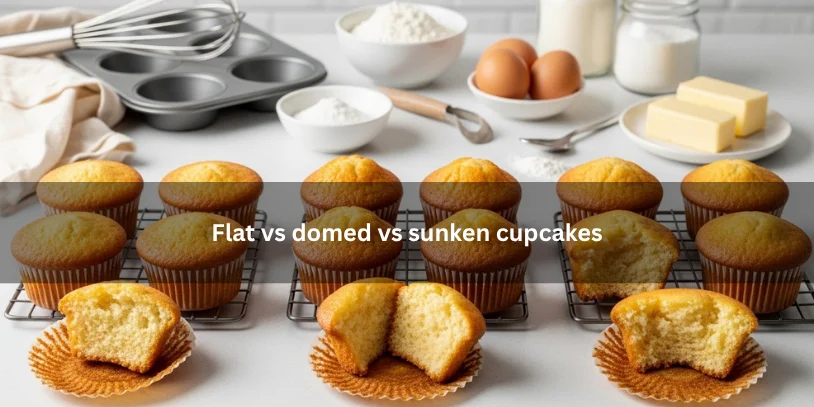
This is where many bakers get confused.
| Cupcake result | What it usually means | Most likely cause |
|---|---|---|
| Flat | Low or level top with little lift | Weak leavening, low oven heat, underfilled liners |
| Domed | Rounded top with good rise | Balanced batter, proper heat, correct mixing |
| Sunken | Center drops after rising | Underbaking, too much leavening, weak structure |
A flat cupcake is not always a sunken cupcake. A sunken cupcake usually rises first, then collapses. A flat cupcake often never built enough lift in the first place.
Should cupcakes be flat or domed?
Both can be fine.
A domed cupcake is often preferred when you want that classic bakery look. It gives a fluffy, high-risen appearance.
A flatter cupcake can actually be better for frosting because the top is easier to decorate evenly. Some cake decorators prefer a level top for neat buttercream work.
The real question is not whether cupcakes should be flat or domed. The real question is whether the result matched the recipe and your goal.
How to diagnose the problem fast
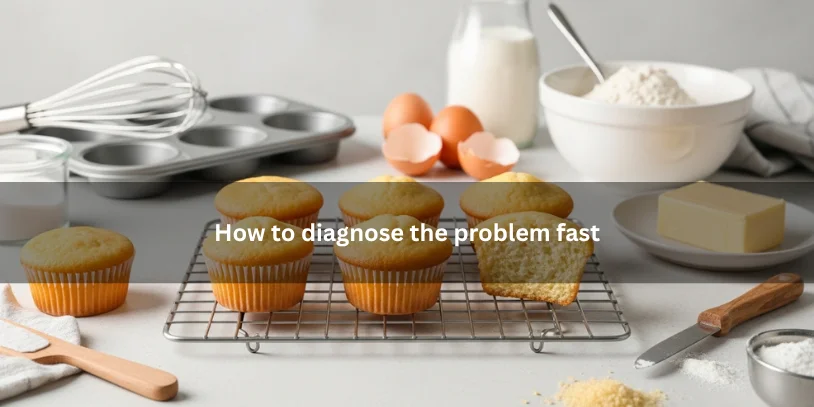
Use this simple visual symptom guide.
Flat and pale
Most likely cause:
- low oven temperature
- weak baking powder
- underbaking
Flat and dense
Most likely cause:
- overmixing
- too much flour
- expired leavening agent
Flat after cooling
Most likely cause:
- underbaking
- too much liquid
- structure did not set fully
Flat but moist
Most likely cause:
- batter too wet
- too much oil or butter
- recipe designed for a softer top
Flat and uneven across the tray
Most likely cause:
- uneven oven heat
- inconsistent batter scooping
- mixing issues
How to fix flat cupcakes next time
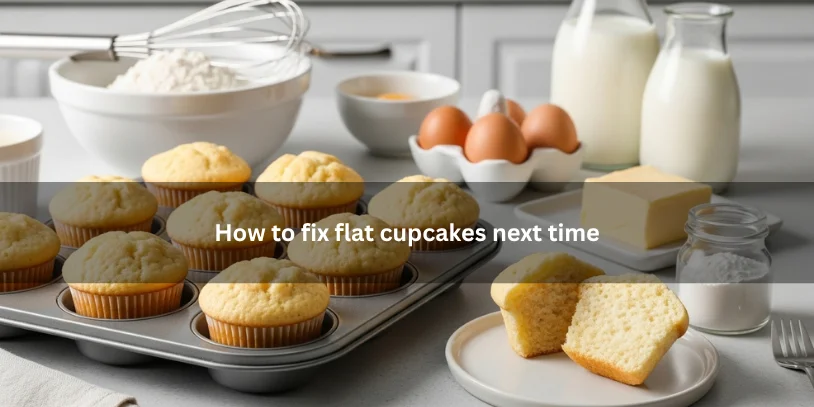
If you want a reliable next-batch fix plan, do this in order.
Step 1: Check your leavening
Replace old baking powder or baking soda first. This is one of the easiest fixes.
Step 2: Confirm real oven temperature
Use an oven thermometer and make sure the oven is fully preheated before the cupcakes go in.
Step 3: Measure ingredients accurately
Use a digital kitchen scale if possible. If not, measure flour carefully and avoid guessing.
Step 4: Mix only until combined
Do not keep beating the batter once the flour disappears.
Step 5: Fill liners evenly
Use a scoop if needed so each cupcake gets the same amount of batter.
Step 6: Bake until the structure sets
The top should spring back lightly, and the center should not look wet.
Step 7: Review the recipe itself
If everything above was correct and the cupcakes are still flat, the recipe may not be well balanced.
Tools that actually help
You do not need a huge setup, but a few tools make cupcake troubleshooting much easier.
Digital kitchen scale
Best for flour measurement and overall ingredient accuracy.
Oven thermometer
Best for spotting hidden oven temperature problems.
Ice cream scoop or batter scoop
Best for evenly filling cupcake liners.
Light-colored muffin pan
Often bakes more evenly than a very dark pan.
Timer
Helps avoid underbaking and overbaking.
These are practical tools, not gimmicks.
What if the same recipe used to dome before?
That is an important clue.
If the same cupcake recipe used to rise properly and now comes out flat, the likely cause is not the formula. It is usually one of these:
- baking powder has aged
- oven calibration changed
- ingredient brands changed
- ingredient temperature changed
- flour measurement drifted
- mixing method became less consistent
That is why repeat bakers often get tripped up. The recipe looks familiar, but one variable quietly changed.
Do chocolate cupcakes behave differently?
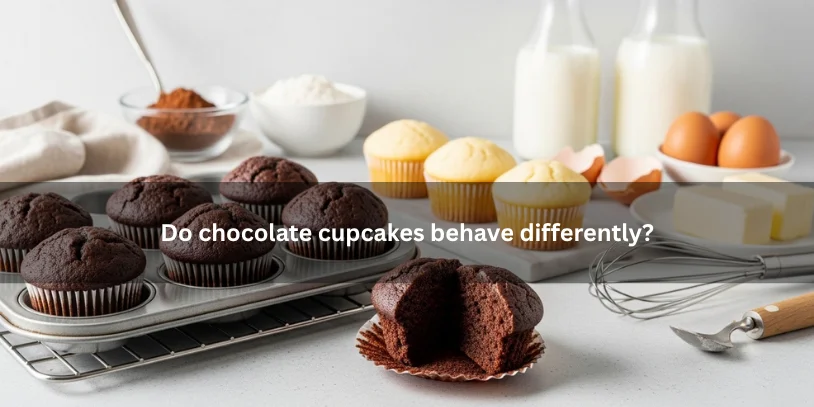
Yes, sometimes.
Chocolate cupcakes often contain cocoa powder, more liquid, coffee, or oil. That can create a thinner batter with a softer structure. Some chocolate cupcake recipes naturally dome less than vanilla cupcakes.
That does not automatically mean the batch failed. You need to judge them by texture, crumb, and bake quality, not just height.
Can you still use flat cupcakes?
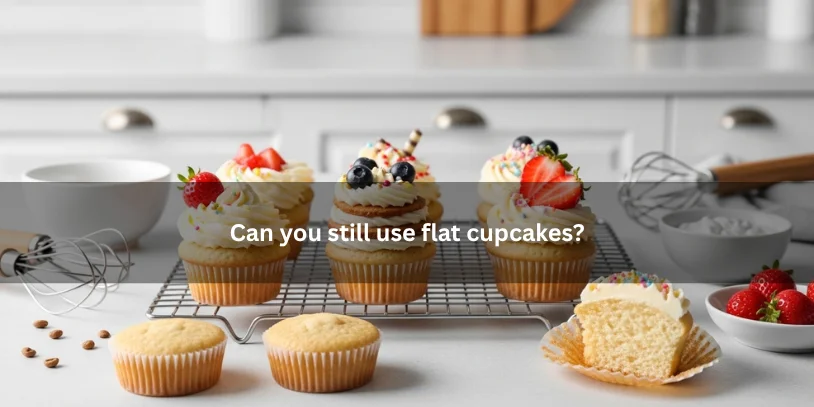
Absolutely.
Flat cupcakes are often still completely usable if they are fully baked and taste good. You can:
- top them with frosting
- fill them with jam or ganache
- use them in trifles
- turn them into cake pops
- serve them as snack cakes
So even if the rise was disappointing, the batch does not have to go to waste.
Common mistakes that keep repeating the problem
Here are the patterns that often cause flat cupcakes again and again:
- using expired baking powder
- guessing the oven temperature
- scooping flour straight from the bag
- overmixing after adding flour
- opening the oven too early
- using too much liquid
- assuming every flat cupcake is a failure
- using an unreliable recipe without checking ratios
If your cupcakes are not rising properly every time, start with the oven thermometer and the baking powder. Those two solve a surprising number of problems.
A simple cupcake troubleshooting mindset
When cupcakes turn out flat, think in this order:
- Did the batter have enough lift?
- Did the oven give it enough heat?
- Did the structure set in time?
- Did I measure correctly?
- Did the recipe actually aim for a flat top?
That keeps you focused on the real issue instead of changing five things at once.
FAQs
Why are my cupcakes flat on top?
Cupcakes are flat on top when they do not get enough lift or when the recipe is designed for a level surface. Common reasons include low oven temperature, weak baking powder, overmixing, or underfilled liners.
Why did my cupcakes not rise?
They may not have risen because the leavening agent was expired, the oven was too cool, the batter was too wet, or the flour and liquid ratios were off.
Can expired baking powder make cupcakes flat?
Yes. Expired baking powder loses power over time, which reduces the gas needed to lift cupcake batter.
Why are my cupcakes flat after cooling?
Cupcakes that go flat after cooling are often slightly underbaked or too high in liquid or fat. They rise a bit in the oven, then lose structure as they cool.
Does overmixing make cupcakes flat?
Yes, it can. Overmixing develops too much gluten, which can make cupcakes dense, less tender, and weaker in rise.
Should cupcakes be flat or domed?
Either can be right depending on the recipe and your goal. Domed cupcakes give a classic bakery look, while flatter cupcakes are often easier to frost neatly.
Why are my cupcakes dense and flat?
Dense and flat cupcakes often come from overmixing, too much flour, old baking powder, or a cool oven that prevented proper lift.
Can low oven temperature make cupcakes flat?
Yes. A low oven temperature can stop the batter from rising and setting correctly, leaving cupcakes pale, flat, or slightly gummy.
How full should cupcake liners be?
Most cupcake liners should be filled about two-thirds to three-quarters full for the best balance of rise and structure.
Can I still eat flat cupcakes?
Yes, as long as they are fully baked and safe to eat. Flat cupcakes may still taste great even if they are not visually perfect.
Conclusion
Flat cupcakes usually come down to a few core issues: weak leavening, low oven temperature, overmixing, inaccurate measuring, too much liquid, or underbaking. The fix is usually simple once you identify the right cause.
For the best results next time, use fresh baking powder or baking soda, measure carefully, preheat fully, mix gently, and bake until the center is set. And remember, not all flat cupcakes are a mistake. Some are simply level by design, while others just need a small change in method to rise better.