

What Are Peanut Butter Pop-Tarts?
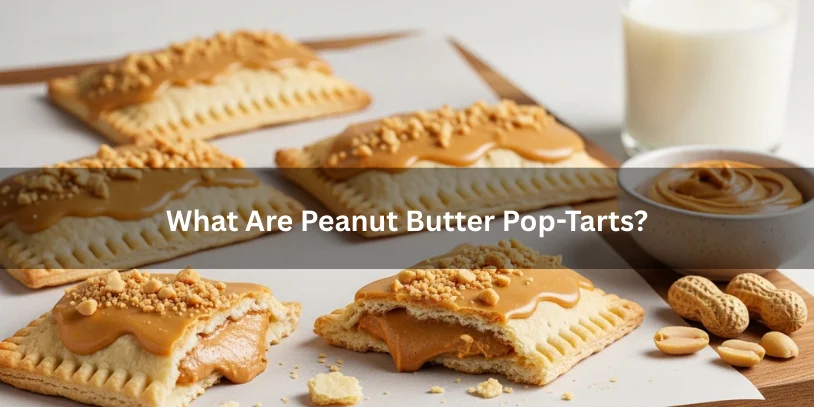
Peanut butter Pop-Tarts are toaster pastries built around a peanut butter–forward flavor profile. Over the years, that profile has appeared in several forms: a straight peanut butter filling, peanut butter paired with chocolate, and peanut butter combined with jelly (PB&J). They’re fully baked, shelf-stable, and designed to be eaten straight from the package or warmed in a toaster, microwave, or air fryer.
The confusion around this product comes from variant overlap and availability changes. Many people remember “the peanut butter one” without realizing there were multiple versions, some of which are no longer produced.
Why Peanut Butter Pop-Tarts Matter (and Why People Still Search for Them)
Peanut butter Pop-Tarts sit at the intersection of nostalgia, convenience, and flavor. They offer a richer, more filling taste than fruit-only flavors and have become one of the most-requested discontinued Pop-Tarts lines.
People search for them today because:
- They remember a specific version and want to rebuy it
- Retail pages still appear in search results but show “unavailable”
- They want to confirm whether the flavor is discontinued
- They’re looking for the closest current alternative
- They need allergen or nutrition clarity before serving kids or groups
Are Peanut Butter Pop-Tarts Discontinued?
Short answer: Most classic peanut butter Pop-Tarts are not part of the current core lineup, but they still appear in retailer catalogs, third-party marketplaces, and imported stock.
The peanut butter line originally launched in 2013 under the “Gone Nutty!” branding during the brand’s expansion into dessert-style flavors. Since then, Pop-Tarts has rotated flavors seasonally, retiring some while keeping others as limited or regional runs.
This means:
- You may see product pages online that exist but show “out of stock”
- Availability can vary by country and retailer
- Imported or third-party listings may still surface
Understanding the Peanut Butter Pop-Tarts Variants
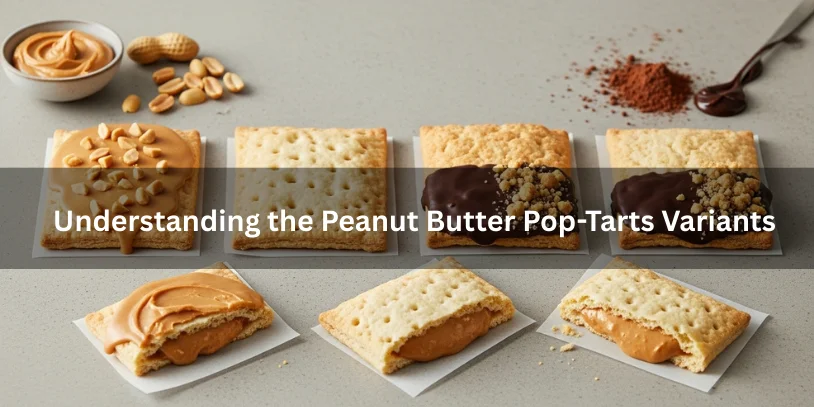
One of the biggest sources of confusion is variant mixing. These are the main peanut butter–related versions people mean:
1. Gone Nutty! Peanut Butter
- Peanut butter filling
- Peanut butter cookie–style pastry crust
- Usually unfrosted
- Often sold in 6-count or 8-count boxes
2. Frosted Chocolate Peanut Butter
- Chocolate pastry crust
- Peanut butter filling
- Chocolate frosting on top
- Sweeter, more dessert-like
3. Frosted Peanut Butter & Jelly (PB&J)
- Peanut butter and fruit filling (commonly strawberry)
- Frosted top with sugar crystals
- Designed to mimic a classic PB&J sandwich
Variant Comparison Table
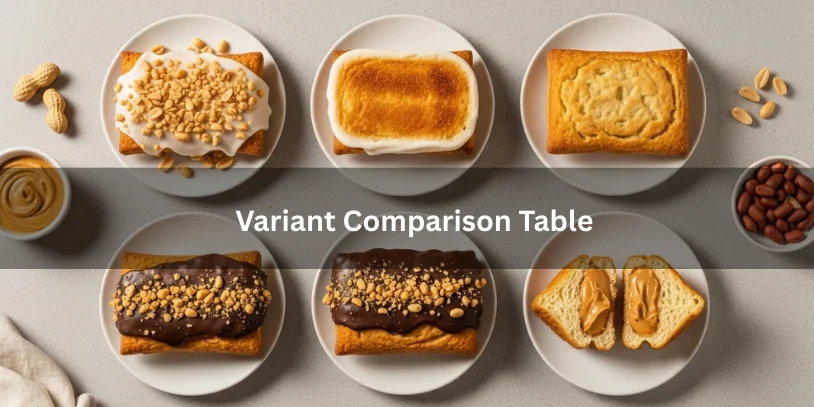
| Variant | Frosted | Crust Flavor | Filling | Typical Status |
|---|---|---|---|---|
| Gone Nutty! Peanut Butter | No | Peanut butter cookie | Peanut butter | Catalog-only / limited |
| Chocolate Peanut Butter | Yes | Chocolate | Peanut butter | Rotational |
| Peanut Butter & Jelly | Yes | Plain pastry | PB + fruit | Discontinued / limited |
Who Peanut Butter Pop-Tarts Are (and Aren’t) For
Good fit for:
- Peanut butter lovers who prefer rich flavors
- Busy adults and students
- People seeking shelf-stable breakfast or snacks
- Content creators and retailers researching discontinued SKUs
Use caution if:
- You have peanut or tree nut allergies
- You avoid wheat, milk, or soy
- You need low-sugar or low-sodium options
Nutrition Snapshot (What to Expect)
Nutrition varies by variant, but retailer panels commonly list about 200 calories per pastry for peanut butter versions. Typical characteristics include:
- Moderate protein compared to fruit flavors
- Higher fat due to peanut butter
- Notable sugar content
- Sodium levels comparable to other Pop-Tarts
Always check the nutrition label on the exact box you’re buying, especially with third-party or imported stock.
Ingredients & Allergen Considerations (Global Context)
Peanut butter Pop-Tarts typically contain:
- Enriched wheat flour
- Peanut butter
- Sweeteners and oils
- Emulsifiers and preservatives
Common allergens include:
- Peanuts
- Wheat
- Milk
- Soy
- Sometimes tree nuts (such as almond ingredients)
Allergen labeling rules differ globally:
- In the U.S., allergens follow guidance from the U.S. Food and Drug Administration
- In the UK, labels align with the Food Standards Agency
- In the EU, standards are overseen by the European Food Safety Authority
Always read the allergen statement on the specific package you purchase.
How to Heat Peanut Butter Pop-Tarts Safely
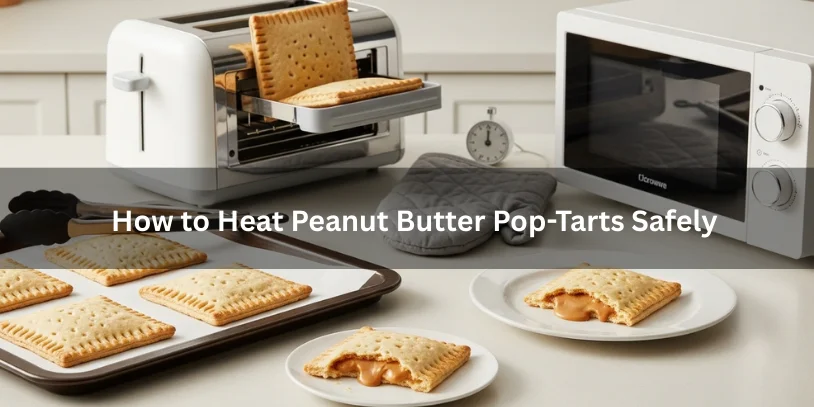
Pop-Tarts are fully baked, but warming improves texture and flavor.
Toaster
- Use the lowest setting
- Allow to cool before eating
Microwave
- Place on a microwave-safe plate
- Heat in 3-second intervals
- Let cool—filling can become extremely hot
Air Fryer
- Preheat to 350°F (175°C)
- Heat for about 2 minutes
- Cool completely before eating
Never heat in the foil packaging, and always allow cooling time to prevent burns.
Where to Buy Peanut Butter Pop-Tarts (Global Guide)
Because availability fluctuates, it’s best to search by variant name and not just the general term.
Common places to check:
- Large retailers like Walmart and Target
- Grocery chains such as Kroger and H-E-B
- Delivery platforms like Instacart
- Marketplaces including Amazon
For international buyers, imported snack stores and American-style candy shops are often the best option. Searches like “peanut butter Pop-Tarts near me” or “imported Pop-Tarts in [city]” tend to surface the most relevant results.
How to Verify You’re Buying the Right Variant
When purchasing from third-party sellers, use this checklist:
- Match the full variant name on the box
- Confirm box size and pastry count
- Check the UPC/GTIN using guidance from GS1
- Review photos for packaging details
- Check expiration dates and seller ratings
This reduces the risk of buying the wrong or expired product.
If You Can’t Find Them: Best Alternatives
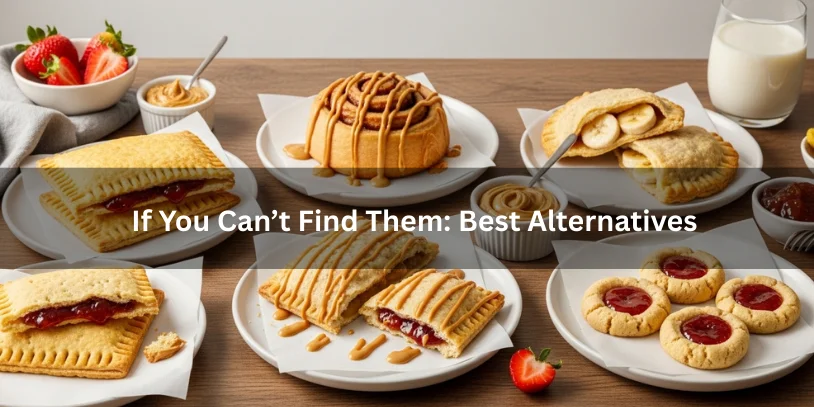
When peanut butter Pop-Tarts aren’t available, these options come closest:
Within the Pop-Tarts lineup
- Chocolate-based flavors for richness
- Brown sugar–style pastries for warmth
Store-bought substitutes
- Peanut butter breakfast bars
- Peanut butter sandwich crackers
Homemade copycat option
Making peanut butter toaster pastries at home lets you control sweetness, allergens, and texture.
Basic DIY method:
- Roll out pie crust or puff pastry
- Fill with thickened peanut butter
- Seal edges and vent
- Bake until golden
- Cool completely before icing or serving
This approach has become increasingly popular as official stock becomes harder to find.
Brand & Ownership Context
Pop-Tarts is part of the brand portfolio of Kellanova. In recent years, Kellanova became part of Mars, Incorporated following regulatory approvals. Older references may still credit the Kellogg Company due to its historical ownership.
FAQs
1. Are peanut butter Pop-Tarts discontinued?
Most peanut butter variants are not in the current core lineup, but limited, catalog-only, or imported stock may still appear.
2. Which Pop-Tarts flavors contain peanut butter?
Gone Nutty! Peanut Butter, Chocolate Peanut Butter, and Peanut Butter & Jelly are the main historical variants.
3. Do peanut butter Pop-Tarts contain allergens?
Yes. They typically contain peanuts, wheat, milk, and soy, with possible tree nut cross-contact.
4. How many calories are in peanut butter Pop-Tarts?
Many listings show about 200 calories per pastry, but always check the specific label.
5. Can you microwave peanut butter Pop-Tarts?
Yes, but only in short intervals, and allow cooling to avoid burns.
6. Where can I buy peanut butter Pop-Tarts near me?
Check major retailers, grocery delivery apps, and imported snack stores. Availability varies by region.
7. What’s the closest alternative if I can’t find them?
Chocolate-based Pop-Tarts or homemade peanut butter toaster pastries are the closest match.
8. Are peanut butter Pop-Tarts safe for kids?
They’re safe for most children, but allergy and sugar considerations apply.
Conclusion
Peanut butter Pop-Tarts remain one of the most searched-for flavors due to their unique taste and inconsistent availability. While many versions are no longer widely produced, understanding the variants, verifying listings carefully, and knowing your alternatives ensures you can still enjoy the flavor—whether store-bought or homemade.