
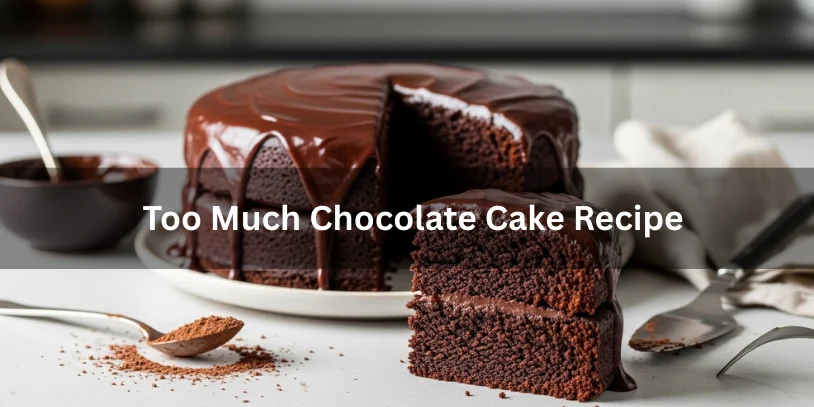
There’s a point where chocolate cake stops being “chocolatey” and starts being unforgettable. That’s exactly where a too much chocolate cake recipe lives. This isn’t about dumping cocoa into a batter and hoping for the best. It’s about pushing chocolate intensity to its limit while keeping the cake moist, balanced, and structurally sound.
Many bakers chase deeper chocolate flavor and end up with dry crumbs, bitter aftertaste, or sunken centers. The problem isn’t using too much chocolate—it’s using it without understanding how cocoa, fat, sugar, and liquid actually work together.
This guide shows you how to do it right, whether you’re baking at home, selling cakes, or trying to replicate bakery-style richness anywhere in the world.
What Is a “Too Much Chocolate” Cake?
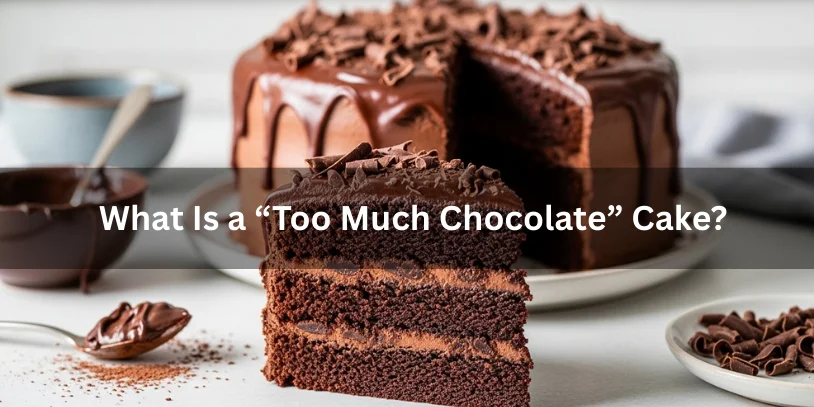
A too much chocolate cake is an ultra-rich chocolate cake designed to maximize cocoa intensity using multiple chocolate sources—without compromising moisture or texture.
Instead of relying on just cocoa powder or melted chocolate, this style layers flavor through:
- Cocoa powder for aroma and depth
- Dark chocolate for richness and body
- Fat and liquid to dissolve cocoa solids properly
When done correctly, the result is a cake that’s deeply chocolate-forward, smooth on the palate, and moist even days after baking.
Can a Cake Actually Have Too Much Chocolate?
Yes—but not in the way most people think.
Chocolate becomes a problem when:
- Cocoa solids overpower sugar and fat
- Liquid isn’t sufficient to bloom cocoa
- Fat-to-flour ratios are off
- Baking temperature dries the crumb
Bitterness, dryness, and density are balance issues, not proof that you used “too much chocolate.”
Why Ultra-Rich Chocolate Cakes Often Fail
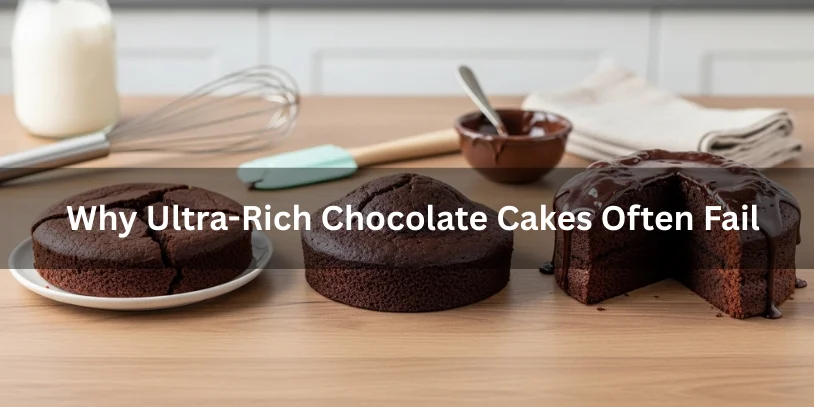
Before getting to the recipe, it helps to understand what usually goes wrong.
Common Failure Points
- Excess cocoa powder without enough fat
- High cocoa percentage chocolate with no sweetness buffer
- Too much flour fighting moisture retention
- Overbaking, which intensifies bitterness
Chocolate flavor compounds are fat-soluble. Without enough fat or liquid, they taste sharp and harsh instead of deep and rounded.
The Baking Science Behind Extreme Chocolate Flavor
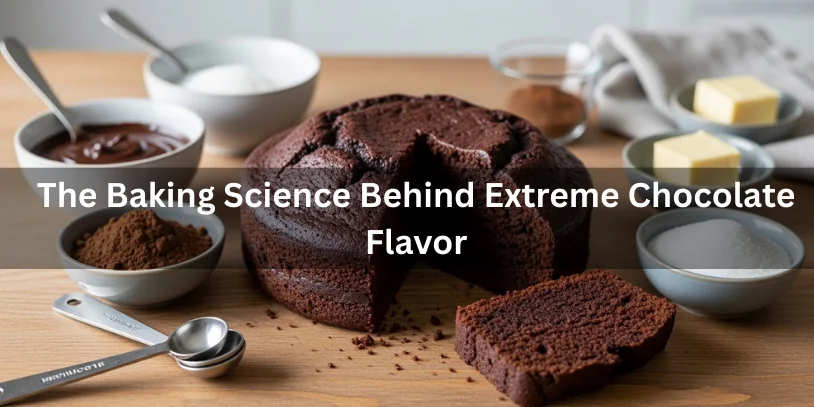
Chocolate intensity depends on three core principles:
1. Cocoa Solids Need Blooming
Blooming cocoa powder with hot liquid (water or coffee) unlocks aroma and softens harsh notes.
2. Fat Controls Bitterness
Butter, oil, or cream dissolve cocoa particles and smooth flavor edges. Oil tends to keep cakes softer for longer.
3. Sugar Is Structural, Not Just Sweet
Sugar:
- Retains moisture
- Controls bitterness
- Supports crumb structure
Reducing sugar too aggressively is one of the fastest ways to ruin a rich chocolate cake.
Too Much Chocolate Cake Recipe (Ultra-Rich, Bakery-Style)
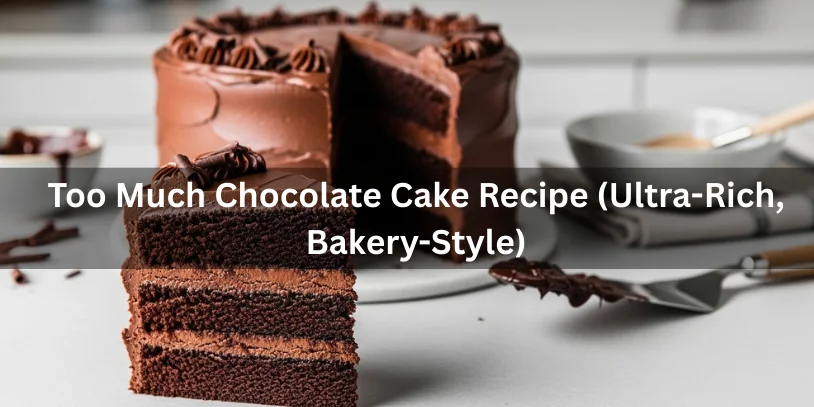
This recipe is designed for maximum chocolate intensity with controlled bitterness, suitable for both home kitchens and professional use.
Ingredients
- 200 g dark chocolate (60–70% cocoa)
- ½ cup Dutch-process cocoa powder
- 1 cup granulated sugar
- ¾ cup neutral oil or melted butter
- 2 large eggs, room temperature
- 1 cup hot coffee or hot water
- 1½ cups all-purpose flour
- 1 teaspoon baking soda
- ½ teaspoon salt
Step-by-Step Method
1. Bloom the Cocoa
Whisk cocoa powder with hot coffee or water until smooth. Let it sit for 1–2 minutes.
This step intensifies chocolate aroma without increasing bitterness.
2. Melt the Chocolate
Gently melt the dark chocolate and let it cool slightly.
3. Build the Emulsion
Whisk sugar, oil (or butter), and eggs until glossy and smooth. Slowly whisk in the melted chocolate.
4. Combine Liquids
Add the bloomed cocoa mixture. The batter should look loose and shiny.
5. Add Dry Ingredients
Sift flour, baking soda, and salt together. Fold gently into the batter.
6. Bake
Pour into a lined 8-inch pan.
Bake at 170°C / 340°F for 35–40 minutes.
A toothpick should come out with moist crumbs, not clean.
Cake vs Brownie-Style Outcome
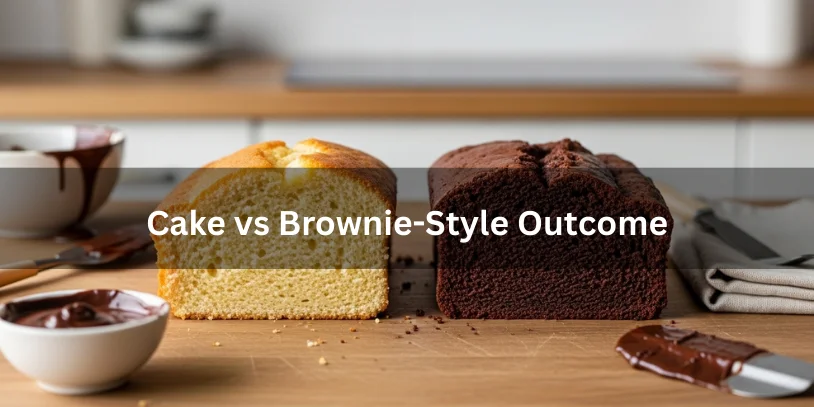
| Adjustment | Result |
|---|---|
| Less flour | Fudge-like texture |
| More oil | Softer crumb |
| More cocoa | Stronger aroma |
| Lower bake temp | Moist interior |
Choosing the Right Chocolate and Cocoa
Dark Chocolate Percentage
- 60–65%: Balanced, crowd-friendly
- 70%: Intense, less sweet
- Above 75%: Risk of bitterness without adjustment
Cocoa Powder: Dutch vs Natural
- Dutch-process cocoa: Smoother, darker, less acidic
- Natural cocoa: Sharper flavor, lighter color
For ultra-rich cakes, Dutch-process cocoa offers better bitterness control.
Butter vs Oil: Which Is Better?
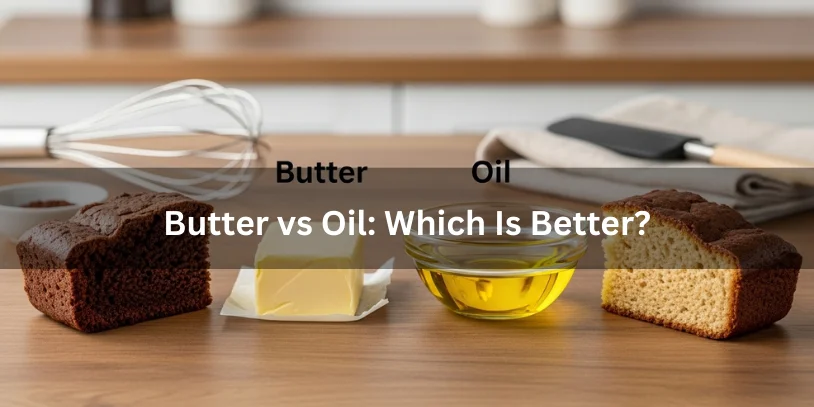
| Factor | Butter | Oil |
|---|---|---|
| Flavor | Rich | Neutral |
| Moisture retention | Medium | High |
| Shelf life | Shorter | Longer |
Professional bakeries often use oil for chocolate cakes because it keeps the crumb soft for days.
Coffee vs Water in Chocolate Cake
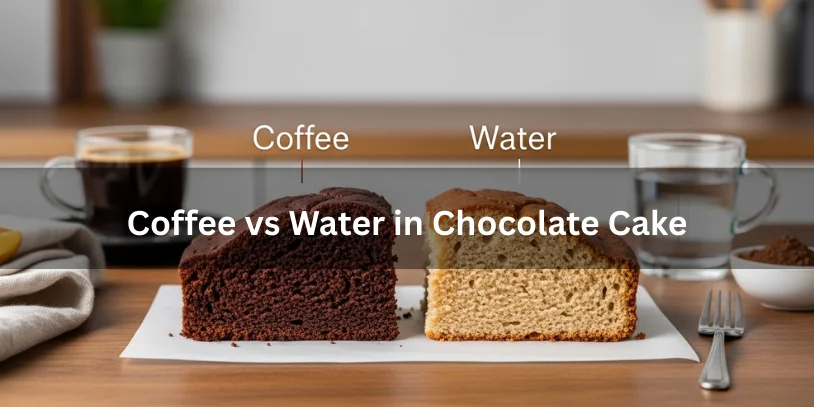
Coffee doesn’t make the cake taste like coffee. It:
- Deepens chocolate flavor
- Enhances aroma
- Softens bitterness
Water works, but coffee delivers more depth—especially in intense chocolate cakes.
Troubleshooting: Fixing Common Problems
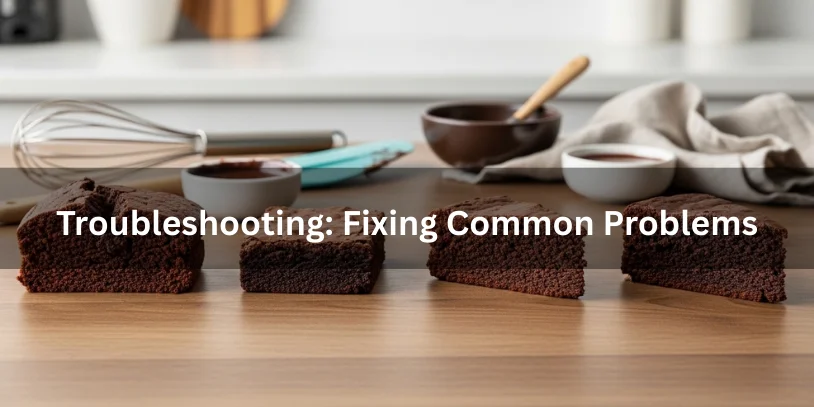
Cake Tastes Bitter
- Reduce cocoa powder by 10–15%
- Use lower cocoa percentage chocolate
- Increase fat slightly
Cake Is Dry
- Switch butter to oil
- Reduce bake time by 5 minutes
- Avoid overmixing flour
Cake Is Too Dense
- Too much cocoa or flour
- Batter overmixed
- Oven temperature too low
Professional Adjustments for Bakeries and Cafés
For commercial use:
- Use oil for consistency
- Slightly higher sugar for customer preference
- Smaller slices with ganache topping
- Pair with whipped cream or ice cream
Bakery-style chocolate cakes prioritize mouthfeel and balance, not raw intensity alone.
Regional Considerations (Global Baking)
- South Asia: Cocoa can be harsher—use more fat and sugar
- UK/EU: Strong cocoa availability—slightly reduce quantity
- North America: Balanced cocoa—follow recipe as-is
Ingredient quality varies globally, so adjust bitterness and sweetness gradually.
Storage and Serving Tips
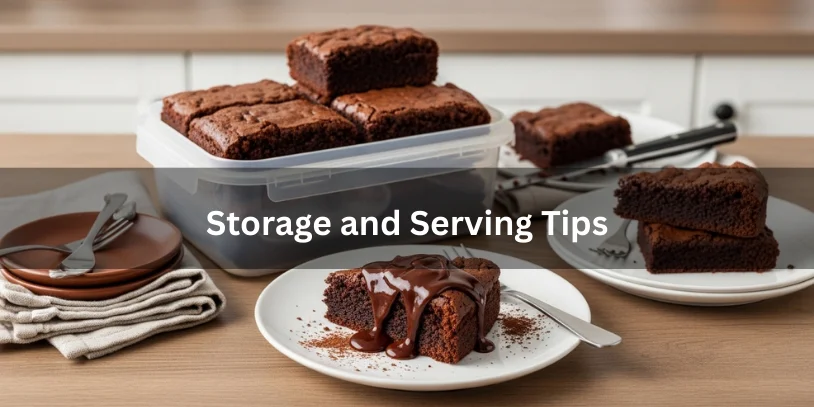
- Store covered at room temperature for up to 2 days
- Refrigerate only if frosted with cream-based toppings
- Flavor improves after resting 12 hours
Ultra-rich chocolate cakes often taste better the next day.
FAQs
1. Can you really add too much cocoa powder to a cake?
Yes. Excess cocoa without enough fat and liquid leads to bitterness and dryness.
2. Why does my chocolate cake taste bitter even with sugar?
Bitterness usually comes from high cocoa solids without sufficient fat or blooming.
3. How do bakeries get such deep chocolate flavor?
They layer cocoa, dark chocolate, fat, and liquid strategically—not randomly.
4. Is oil or butter better for intense chocolate cake?
Oil keeps cakes softer and more moist, especially for ultra-rich styles.
5. Does coffee make chocolate cake taste like coffee?
No. It enhances chocolate flavor without adding coffee taste.
6. Can I make this cake without cocoa powder?
Yes, but you’ll need more melted chocolate and careful sugar balance.
7. How do I stop my chocolate cake from drying out?
Use oil, avoid overbaking, and don’t reduce sugar too aggressively.
Conclusion
A too much chocolate cake recipe isn’t about excess—it’s about control. When cocoa solids, fat, sugar, and liquid are balanced correctly, you get a cake that’s intensely chocolatey, moist, and refined rather than bitter or heavy.
Whether you’re baking for home, guests, or customers, mastering these principles lets you push chocolate flavor to its peak—without crossing the line where it falls apart.
Pingback: Chocolate Donut with Chocolate Frosting: Recipe, Variations, Buying Guide & Best Tips - DreamWhip Bakers