
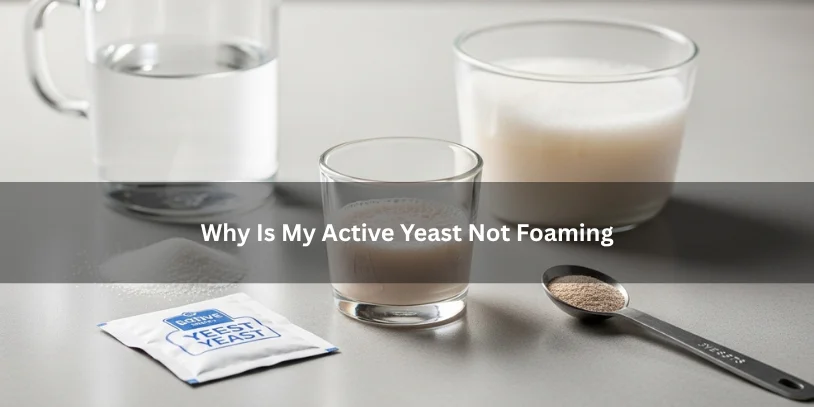
If your active dry yeast is not foaming, the most likely reasons are old yeast, water that is too hot or too cold, poor storage, or ingredients like salt and too much sugar interfering with activation. In many cases, no foam after 5 to 10 minutes means the yeast is weak or dead.
That said, not every healthy batch creates a huge foamy cap. Sometimes the yeast is still viable and only shows a few bubbles or a light creamy layer. The real goal is not dramatic foam. The goal is active fermentation.
What active dry yeast is supposed to do
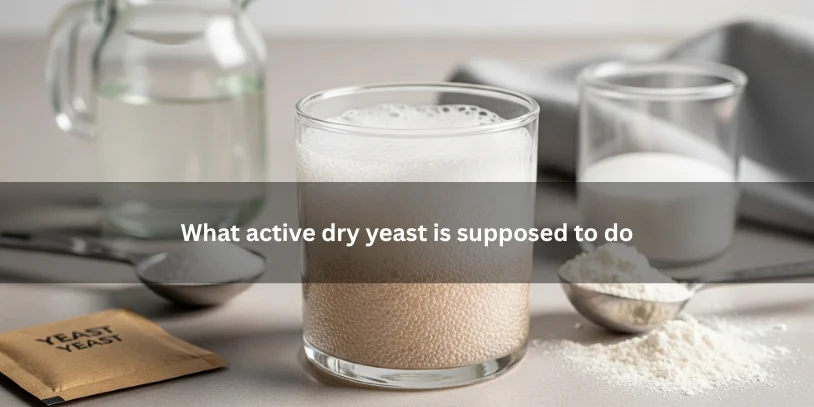
Active dry yeast is a form of baker’s yeast, usually Saccharomyces cerevisiae, that becomes active when rehydrated in warm liquid. Once it wakes up, it starts fermentation, feeding on sugars and releasing carbon dioxide. That gas is what helps bread dough, pizza dough, cinnamon rolls, and other baked goods rise.
When yeast is proofed correctly, you will usually see:
- small bubbles
- light foam or froth
- a puffy surface
- a distinct yeasty smell
If none of that happens, it is time to troubleshoot.
The most common reasons active yeast does not foam
1. The yeast is expired or has low viability
This is the first thing to check. Yeast is a living leavening agent, and it loses strength over time. Even if the expiration date has not passed, poor handling can reduce viability.
Signs this may be the issue:
- no bubbling at all
- flat or dull smell
- poor rise in previous batches
- yeast stored open for too long
Packet yeast is convenient, but jar yeast can lose power faster if it is opened often and not sealed well.
2. Your water is too hot
This is one of the biggest reasons active dry yeast fails. Water that feels “warm” can still be too hot by touch. If the liquid is hot enough, it can damage or kill the yeast before fermentation even starts.
For active dry yeast, the safest range is usually around:
- 100°F to 110°F
- 38°C to 43°C
If your liquid is much hotter than that, especially around 120°F or above, the yeast may not recover.
3. Your water is too cold
Cold water usually will not kill yeast, but it can make it seem inactive. Instead of foaming in a few minutes, it may sit there doing almost nothing.
This is common when:
- the kitchen is cold
- the bowl is chilled
- tap water runs cooler than expected
- you are baking in winter
In that case, the yeast may be slow rather than dead.
4. You added salt too early
Salt is important in bread dough, but direct contact with yeast during proofing can suppress activity. If salt is mixed into the proofing liquid before the yeast gets a chance to wake up, it can interfere with rehydration and fermentation.
A better method is to proof the yeast first, then combine it with the rest of the dough ingredients.
5. There is too much sugar in the mixture
A little sugar can help demonstrate yeast activity. Too much can work against you. High sugar concentrations create osmotic pressure, which pulls water away from the yeast and slows activation.
This matters more in:
- sweet dough
- enriched dough
- brioche
- doughnuts
- sticky bun dough
If your active dry yeast is not foaming in a very sweet mixture, test it in plain warm water instead.
6. The yeast was stored badly
Storage conditions matter a lot. Even fresh-looking yeast can fail if it sat in heat, humidity, or air exposure too long.
Common storage mistakes include:
- keeping it near the oven
- leaving the jar loosely closed
- storing in a humid pantry
- frequent temperature swings
- not refrigerating after opening when needed
7. You did not wait long enough
Active dry yeast is slower than instant yeast. It usually needs a few minutes to rehydrate and start producing visible bubbles.
A typical timeline looks like this:
- 3 to 5 minutes: some early bubbling may appear
- 5 to 10 minutes: more obvious foam or froth
- after 10 minutes: flat liquid usually means trouble
How to proof active dry yeast the right way
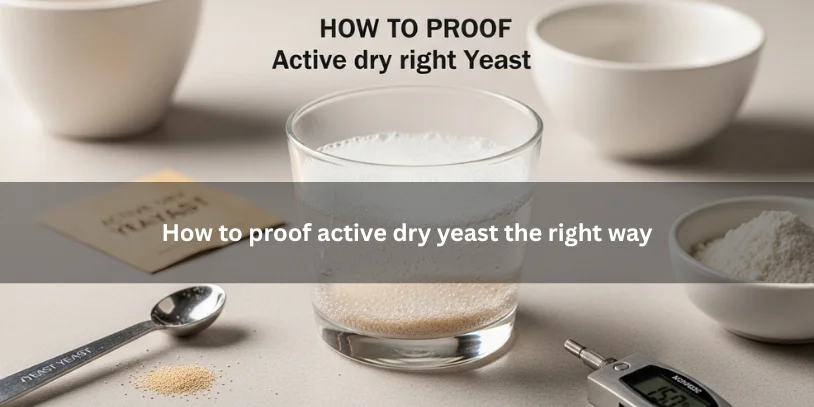
If you want a clean answer on whether your yeast is still good, use a basic proofing test.
What you need
- 1 packet active dry yeast, or 2 1/4 teaspoons
- 1/4 cup warm water
- 1 teaspoon sugar
- small bowl
- kitchen thermometer if possible
Step-by-step method
- Heat the water to 100°F to 110°F.
- Stir in the sugar.
- Add the yeast.
- Stir gently once.
- Let it sit for 5 to 10 minutes.
- Check for bubbles, foam, puffiness, and a stronger yeasty smell.
If it stays completely flat after that, the yeast is probably inactive.
Water temperature guide for yeast
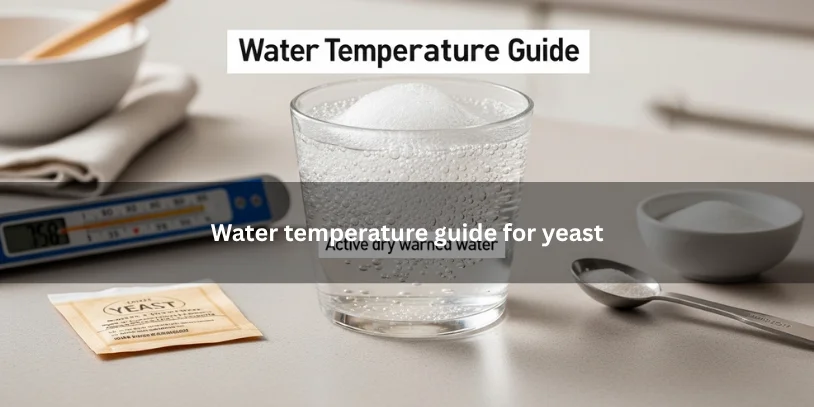
| Water Temperature | What Usually Happens | What You Should Do |
|---|---|---|
| Below 90°F | Yeast wakes up slowly | Warm the liquid more |
| 100–110°F | Best range for active dry yeast | Proceed |
| 111–115°F | May still work, but risk increases | Use caution |
| Around 120°F or higher | Yeast can weaken or die | Start over with new yeast |
If you bake often, a cheap kitchen thermometer is worth it. It costs less than wasting flour, butter, eggs, and time on a failed dough.
No foam, but some bubbles: is the yeast still okay?
Sometimes yes.
This is one of the biggest misconceptions in baking. People expect a huge cloud of foam, but healthy active dry yeast does not always look dramatic. If you see:
- scattered bubbles
- slight puffiness
- cloudy liquid
- a noticeable yeasty aroma
the yeast may still be working.
In that case, the yeast is more likely slow than dead.
Dead yeast vs slow yeast
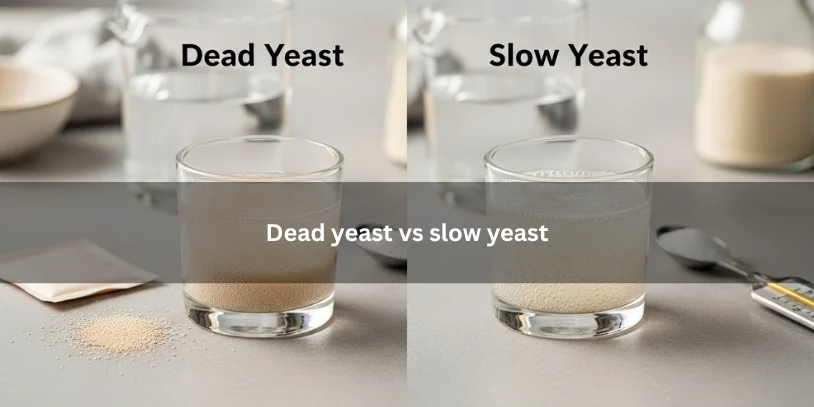
Here is the practical difference:
| Sign | Dead Yeast | Slow Yeast |
|---|---|---|
| Bubbles | None | A few or delayed |
| Foam | None | Light or uneven |
| Smell | Flat | Yeasty aroma present |
| Cause | Expired, overheated, badly stored | Cool room, cool liquid, sugary dough |
| Best move | Replace it | Wait a little longer or test again |
This distinction matters because a cool kitchen or sweet dough can slow things down without fully killing the yeast.
What to do next if your yeast is not foaming
If there is no foam and no bubbles after 10 minutes
Do not gamble on it. Replace the yeast and test again with fresh warm water.
If there are tiny bubbles but no big foam cap
Wait another 5 minutes. If the liquid smells yeasty and looks slightly puffy, it may still be usable.
If you used milk instead of water
Retest with plain warm water. Milk can behave differently, especially if overheated.
If the water may have been too hot
Start over. Once yeast has been killed by high heat, it will not come back.
If the dough is already mixed
Watch bulk fermentation closely. If the dough shows no rise at all after the normal time, your yeast was likely inactive.
Active dry yeast vs instant yeast vs fresh yeast
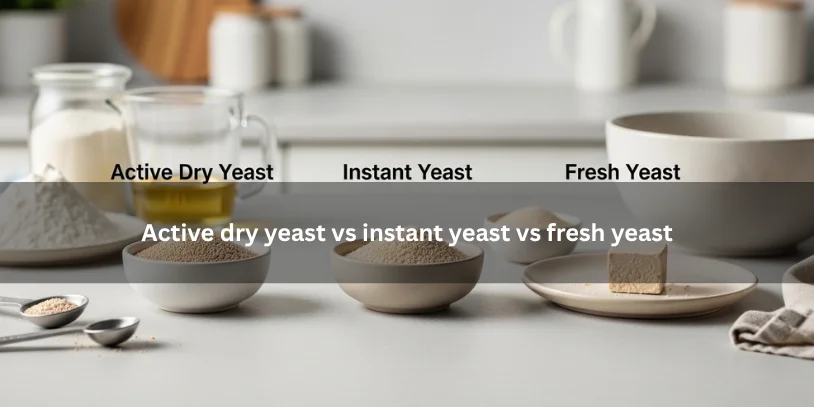
A lot of confusion comes from using the wrong yeast type or expecting all of them to behave the same way.
Active dry yeast
- Usually proofed first
- Slower to activate
- Common in home baking
Instant yeast
- Often mixed directly into flour
- Faster rise
- May not need proofing at all
Fresh yeast or cake yeast
- Moist and perishable
- Used more often in some professional baking
- Strong, but shorter shelf life
If you used instant yeast but expected the same proofing behavior as active dry yeast, that can create confusion right away.
Why no foam can still happen in certain doughs
Some doughs make yeast behavior harder to read.
Enriched dough
Doughs with butter, eggs, sugar, or milk can slow yeast activity. Cinnamon rolls, brioche, and soft buns often ferment more slowly than lean bread dough.
Pizza dough
Pizza dough may not always need dramatic foaming if the yeast is mixed directly and given time to rise later.
Cold-weather baking
A cold room affects everything. Even good yeast may look lazy in a chilly kitchen.
Honey or sweeteners
Honey, sugar, and other sweeteners can help feed yeast in small amounts, but too much changes hydration and slows activity.
Common mistakes that make bakers think the yeast is dead
- Using hot tap water without measuring
- Mixing salt directly into the yeast mixture
- Expecting huge foam every time
- Using old yeast from the pantry
- Confusing active dry yeast with instant yeast
- Proofing yeast in an overly sweet liquid
- Not giving it enough time
Should you keep going or start over?
Use this quick decision guide.
Keep going if:
- you see some bubbles
- the surface looks slightly creamy or puffy
- there is a yeasty smell
- the room is cold and the liquid was not too hot
Start over if:
- there are zero bubbles after 10 minutes
- you know the water was too hot
- the yeast is old or badly stored
- you are making an expensive enriched dough and do not want to risk failure
What proofed yeast should look like
A properly proofed yeast mixture often looks:
- foamy on top
- bubbly around the edges
- slightly raised
- cloudy underneath
But again, it does not have to look like a science fair volcano. Light activity still counts.
Does active dry yeast need sugar?
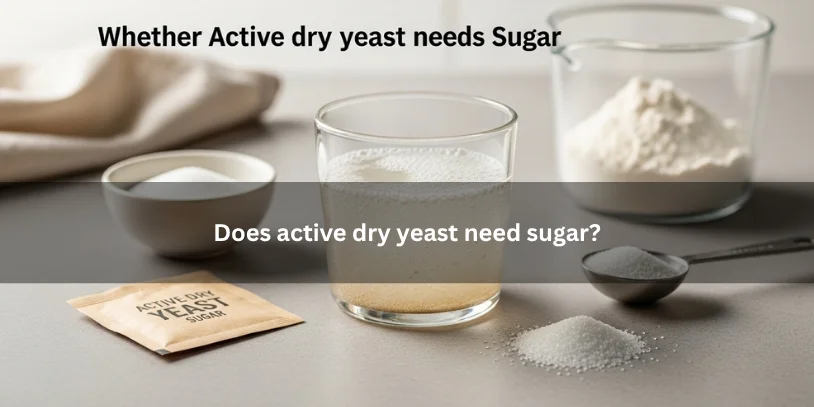
Not always.
Sugar is often used in a proofing test because it helps the yeast show activity quickly. But active dry yeast can still work without added sugar if the dough contains flour and enough time is given for fermentation.
So if you are asking whether sugar is required, the answer is no. If you are asking whether sugar helps confirm viability, the answer is yes.
Can expired yeast still rise bread?
Sometimes, but it is a risk.
Expired yeast may still work if it has been stored well in the fridge or freezer and passes a proofing test. But weaker yeast can cause:
- slower rise time
- uneven dough development
- dense texture
- disappointing oven spring
If the recipe matters, fresh yeast is the safer option.
Best storage habits for better yeast performance
To keep yeast active longer:
- store unopened packets in a cool, dry place
- keep opened yeast in an airtight container
- refrigerate after opening if recommended on the label
- avoid humidity, heat, and frequent opening
- check the expiration date before baking
A few proofing myths worth clearing up
Myth: No giant foam means dead yeast
Not always. Some viable yeast only produces a modest amount of foam.
Myth: Warm by touch is accurate enough
Not really. Water that feels fine can still be too hot.
Myth: Active dry yeast always has to be proofed
Not always. Some modern recipes mix it directly into flour, but proofing is still helpful when freshness is uncertain.
Myth: Salt kills yeast instantly
In regular dough, salt does not automatically destroy yeast. The bigger problem is direct contact during activation.
FAQs
1. How long should active dry yeast take to foam?
Usually 5 to 10 minutes. In a cool room, it can take a little longer.
2. Can active yeast still work if it does not foam?
Yes, sometimes. If there are at least a few bubbles and a yeasty smell, it may still be active.
3. What temperature should water be for active dry yeast?
Around 100°F to 110°F is the safest range for proofing active dry yeast.
4. Is 120°F too hot for yeast?
Yes, that is hot enough to weaken or kill active dry yeast.
5. Why is my yeast not foaming in milk?
The milk may be too hot, too cold, or harder to read visually than water. Test again in warm water.
6. Can I still bake if my yeast only made tiny bubbles?
Maybe. Tiny bubbles can mean the yeast is alive but slow. Give it a few more minutes and check for aroma and puffiness.
7. What happens if my dough rises later even though the yeast did not foam?
That usually means the yeast was active, just not visibly dramatic during proofing. Foam level is helpful, but dough rise is the final test.
8. Does active dry yeast need to be proofed every time?
Not necessarily. Some recipes skip it, but proofing is useful when you want to confirm freshness.
9. What is the difference between proofing and rising?
Proofing yeast means testing or activating it in warm liquid. Rising happens later, when the dough expands during fermentation.
Conclusion
If your active dry yeast is not foaming, the issue is usually old yeast, the wrong water temperature, poor storage, or interference from salt or too much sugar. The fastest fix is to test it properly in warm water with a little sugar and wait 5 to 10 minutes.
If there are no bubbles at all, replace it. If there are a few bubbles, some puffiness, and a yeasty smell, it may still be usable. The smartest move is simple: control the temperature, use fresh yeast, and do not rely on guesswork when a quick proofing test can save the whole recipe.