Uncategorized

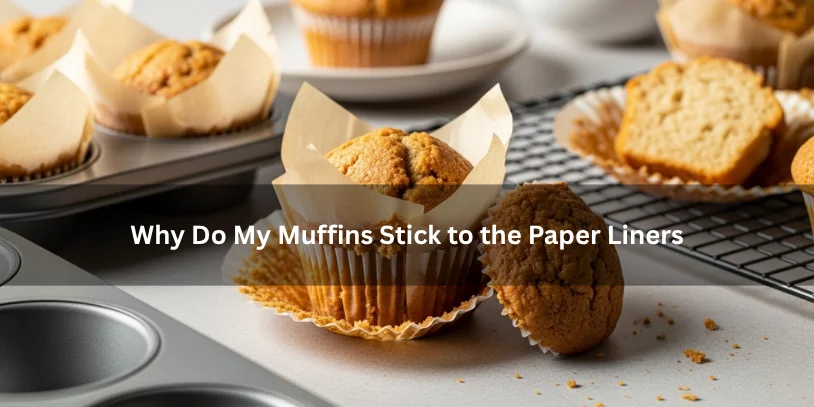
Freshly baked muffins sticking to paper liners with torn wrappers and crumb clinging to the paper, illustrating why muffins stick to liners under soft natural lighting.-why do my muffins stick to the paper liners

Why Do My Muffins Stick to the Paper Liners? Causes, Fixes, and the Best Ways to Prevent It

If you have ever asked why do my muffins stick to the paper liners, you are dealing with one of the most common muffin-baking problems. Many bakers also wonder why did my muffins stick to the paper even though the tops looked done and the recipe seemed fine. In most cases, the answer comes down […]
Why Do My Muffins Stick to the Paper Liners? Causes, Fixes, and the Best Ways to Prevent It Read More »

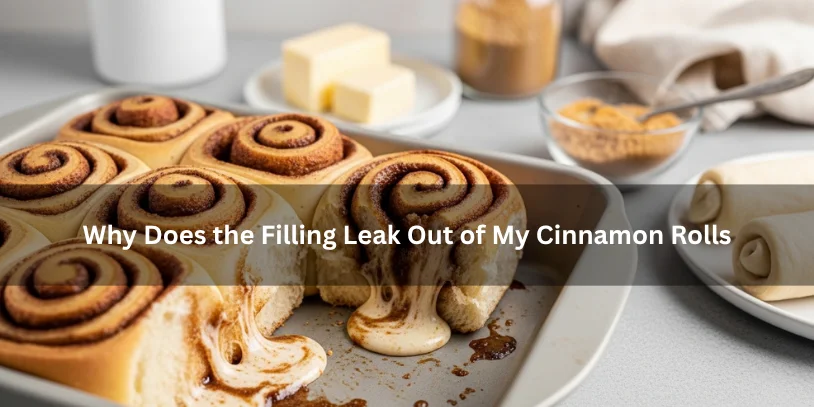
Freshly baked cinnamon rolls with cinnamon-sugar filling leaked onto the pan, illustrating why filling leaks out of cinnamon rolls under soft natural lighting.-why does the filling leak out of my cinnamon rolls

Why Does the Filling Leak Out of My Cinnamon Rolls? Common Causes, Fixes, and Prevention

Cinnamon roll filling leaks out when the filling becomes too fluid or the dough cannot hold it in place. In most cases, the problem comes down to butter texture, too much filling, loose shaping, weak seam sealing, proofing issues, or dough that is too warm. That is the short answer. The useful answer is more

Why Does the Filling Leak Out of My Cinnamon Rolls? Common Causes, Fixes, and Prevention Read More »

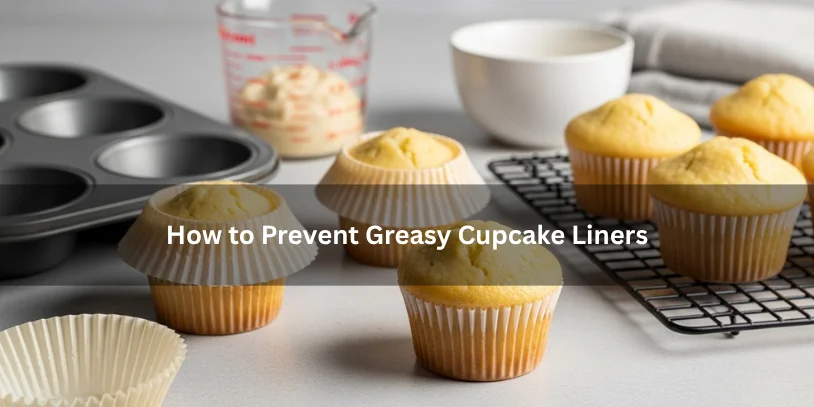
Freshly baked cupcakes with clean, dry paper liners and well-risen tops, illustrating how to prevent greasy cupcake liners under soft natural lighting.-how to prevent greasy cupcake liners

How to Prevent Greasy Cupcake Liners and Keep Cupcakes Looking Clean

Greasy cupcake liners usually happen because of fat seepage, trapped steam, or low-quality paper liners. The best way to fix the problem is to use better baking cups, cool cupcakes properly, and only change the recipe if the issue keeps happening. If your cupcake papers come out oily, damp, stained, or start peeling away from

How to Prevent Greasy Cupcake Liners and Keep Cupcakes Looking Clean Read More »

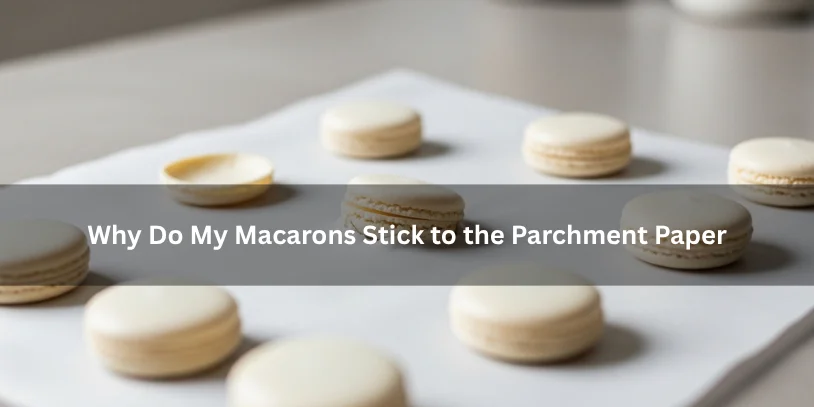
Macaron shells on parchment paper with a few sticking to the surface, showing the difference between clean release and sticky bottoms under soft natural lighting.-why do my macarons stick to the parchment paper

Why Do My Macarons Stick to the Parchment Paper? Causes, Fixes, and Prevention Guide

If you keep asking, why do my macarons stick to the parchment paper, the short answer is this: your shells are usually underbaked, not fully cooled, too moist, or baked on a setup that is not giving the bottoms enough heat. A lot of bakers assume the parchment paper is the problem. Sometimes it is.

Why Do My Macarons Stick to the Parchment Paper? Causes, Fixes, and Prevention Guide Read More »

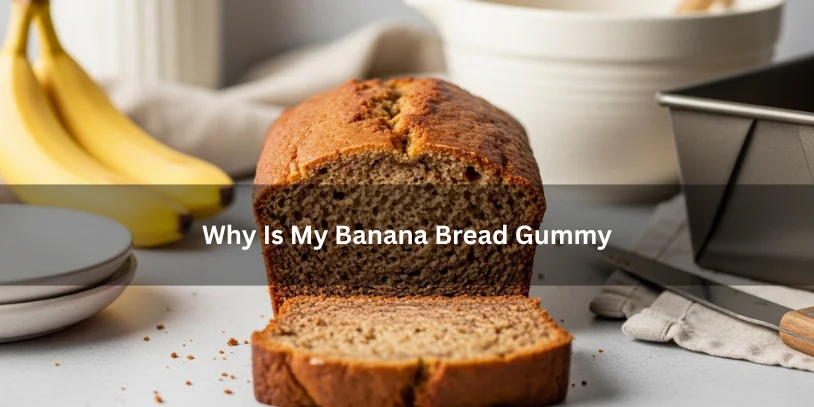
Banana bread loaf with a dense wet center and gummy crumb, illustrating why banana bread turns gummy under soft natural lighting.-why is my banana bread gummy

Why Is My Banana Bread Gummy? Causes, Fixes, and When It’s Safe to Eat

If your banana bread came out gummy, the most likely causes are too much moisture, overmixing, or underbaking. A gummy loaf usually feels sticky, gluey, heavy, or under-set inside, but the exact cause depends on where the gumminess shows up. Sometimes the middle is wet and dense. Sometimes the bottom has a compact gummy layer.

Why Is My Banana Bread Gummy? Causes, Fixes, and When It’s Safe to Eat Read More »

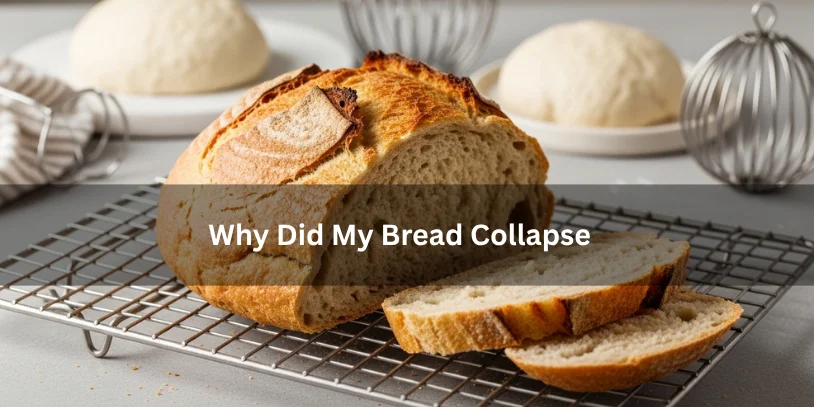
Sunken homemade bread loaf with a collapsed center and dense crumb on a cooling rack, illustrating common bread collapse issues under soft natural lighting.-why did my bread collapse

Why Did My Bread Collapse? 12 Real Causes, Easy Fixes, and How to Stop It Happening Again

Bread usually collapses because the dough produced more gas than its structure could hold. In most cases, the real issue is overproofing, weak gluten development, too much hydration, underbaking, or poor oven heat. If your loaf looked beautiful and then sank, you are not alone. This is one of the most common bread problems for

Why Did My Bread Collapse? 12 Real Causes, Easy Fixes, and How to Stop It Happening Again Read More »

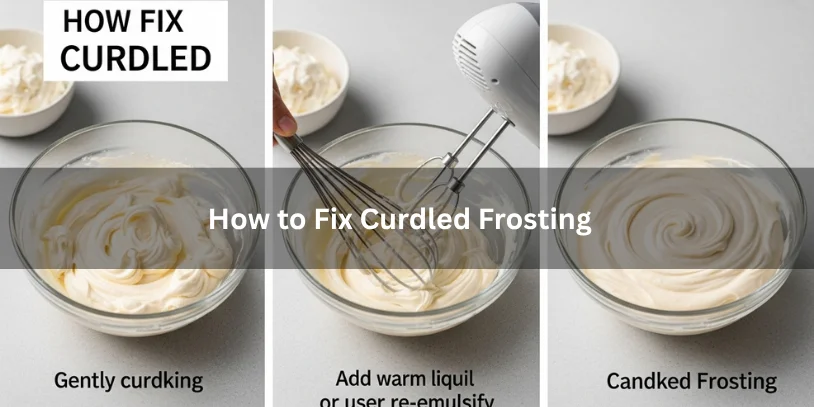
Three-step visual showing curdled frosting, fixing it by whisking or adding liquid, and the final smooth creamy frosting under soft natural lighting.-how to fix curdled frosting

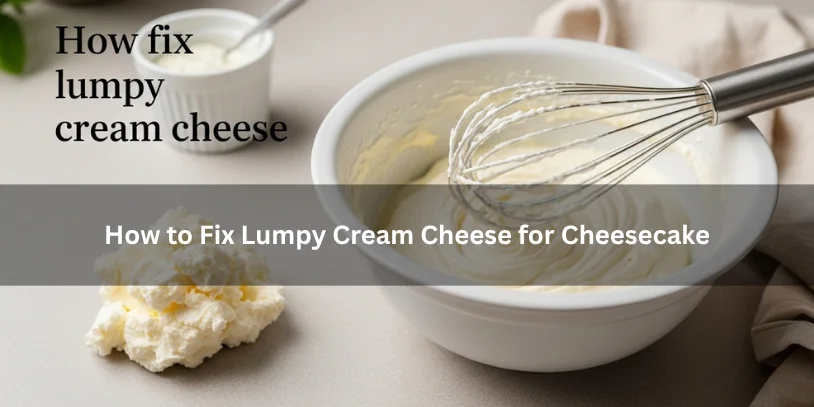
How to Fix Curdled Cream Cheese Frosting: Causes, Fixes, and Prevention

If your cream cheese frosting looks curdled, split, broken, or like cottage cheese, do not throw it out yet. In many cases, it can still be fixed. The most common causes are temperature problems, overmixing, or too much liquid. This guide explains why cream cheese frosting curdles, how to fix it step by step, and

How to Fix Curdled Cream Cheese Frosting: Causes, Fixes, and Prevention Read More »

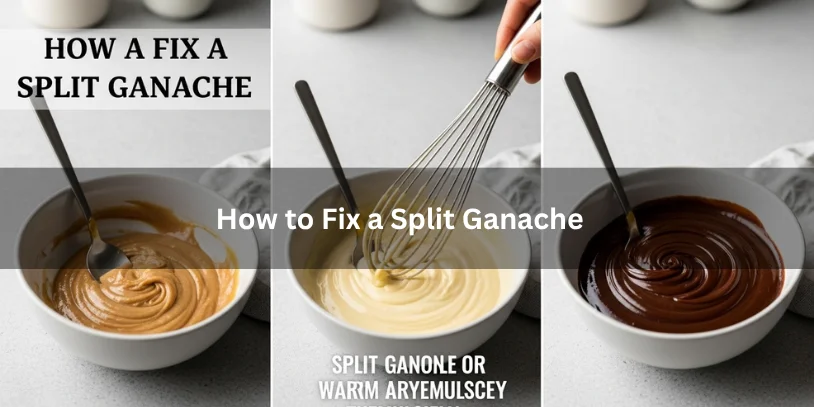
Three-step process showing split ganache, fixing it by whisking or adding liquid, and the final smooth glossy ganache under soft natural lighting.-how to fix a split ganach

How to Fix a Split Ganache: Best Rescue Methods for Oily, Grainy, or Broken Ganache

If your ganache has turned oily, grainy, dull, or separated, it usually is not ruined. In most cases, you can fix a split ganache by restoring the emulsion with gentle heat, a small amount of warm liquid, or careful blending. Ganache may look simple, but it is actually a delicate balance of chocolate, cream, cocoa

How to Fix a Split Ganache: Best Rescue Methods for Oily, Grainy, or Broken Ganache Read More »

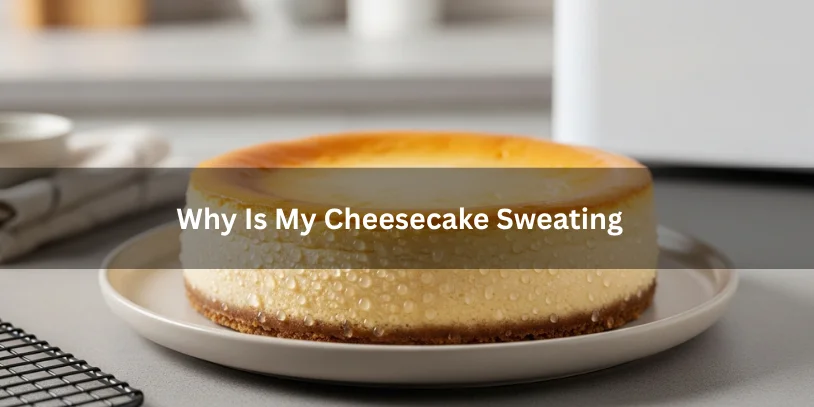
Cheesecake with visible moisture droplets on the surface, illustrating sweating caused by condensation under soft natural lighting.-why is my cheesecake sweating

Why Is My Cheesecake Sweating? Causes, Fixes, and How to Prevent Condensation

If you’re wondering why your cheesecake is sweating, the short answer is this: moisture is forming on the surface because of condensation, trapped steam, or liquid release from the filling. In many cases, that wet, glossy, or blotchy look appears after the cheesecake has been in the fridge overnight. Sometimes it shows up under plastic

Why Is My Cheesecake Sweating? Causes, Fixes, and How to Prevent Condensation Read More »