Uncategorized

Sliced sourdough bread with a dense chewy crumb and rustic baking tools nearby, illustrating why sourdough can turn overly chewy under soft natural lighting.-why is my sourdough bread chewy

Why Is My Sourdough Bread Chewy? Causes, Fixes, and How to Get the Texture You Actually Want

Sourdough bread is often a little chewy by nature, but there is a big difference between a pleasant artisan chew and a loaf that feels dense, rubbery, gummy, or just plain hard work to eat. If your bread feels like a jaw workout, the reason is usually one of a few things: underproofing, underbaking, high […]
Why Is My Sourdough Bread Chewy? Causes, Fixes, and How to Get the Texture You Actually Want Read More »

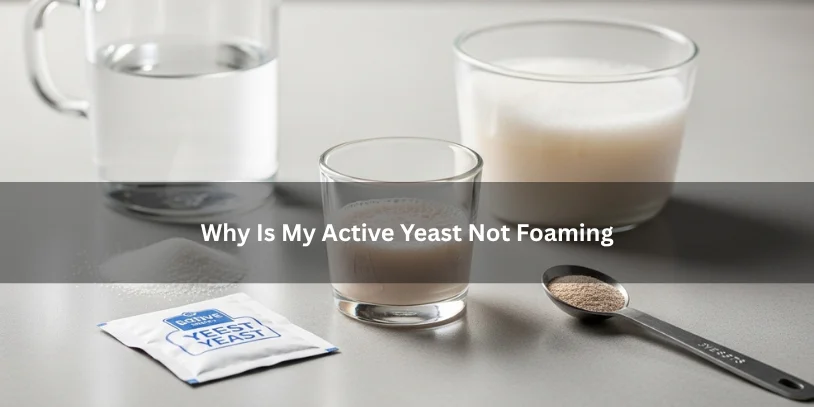
Inactive yeast mixture with little or no foam in a small bowl, illustrating why active yeast may not foam under soft natural lighting.-why is my active yeast not foaming

Why Is My Active Yeast Not Foaming? Common Causes, Quick Fixes, and When to Start Over

If your active dry yeast is not foaming, the most likely reasons are old yeast, water that is too hot or too cold, poor storage, or ingredients like salt and too much sugar interfering with activation. In many cases, no foam after 5 to 10 minutes means the yeast is weak or dead. That said,

Why Is My Active Yeast Not Foaming? Common Causes, Quick Fixes, and When to Start Over Read More »

Runny cookie batter in a mixing bowl with baking ingredients nearby, illustrating why cookie batter becomes too thin under soft natural lighting.-why is my cookie batter runny

Why Is My Cookie Batter Runny? Easy Fixes, Common Causes, and How to Save Your Cookie Dough

Runny cookie batter usually means the mixture has too much liquid, not enough flour, overly warm fat, or a weakened structure. In most cases, the fastest fix is to chill the dough first, then adjust with a little flour only if needed. If you searched for cookie batter, you are not alone. Most home bakers

Why Is My Cookie Batter Runny? Easy Fixes, Common Causes, and How to Save Your Cookie Dough Read More »

Stack of pancakes with a pale white surface and little browning, illustrating why pancakes turn out white under soft natural lighting.''-why are my pancakes white

Why Are My Pancakes White? Common Causes, Fast Fixes, and How to Get Golden Brown Pancakes Every Time

White pancakes usually mean one of three things: the pan is too cool, there is too much butter or oil on the surface, or the batter is not browning properly. In many cases, the pancakes are cooked through but under-browned rather than raw. That distinction matters. A pale pancake can still be edible, but it

Why Are My Pancakes White? Common Causes, Fast Fixes, and How to Get Golden Brown Pancakes Every Time Read More »

Freshly baked sourdough loaf with a pale crust beside baking clues like a Dutch oven and lightly floured surface, illustrating why sourdough is not browning under soft natural lighting.-why is my sourdough not browning

Why Is My Sourdough Not Browning? Real Causes, Quick Fixes, and How to Get a Darker Crust

If your sourdough is coming out pale, blond, matte, or dull instead of deep golden-brown, the problem is usually not just “more bake time.” Sourdough crust color depends on heat, steam, fermentation, surface drying, and how much sugar is available on the outside of the loaf for browning. In simple terms, sourdough browns when the

Why Is My Sourdough Not Browning? Real Causes, Quick Fixes, and How to Get a Darker Crust Read More »

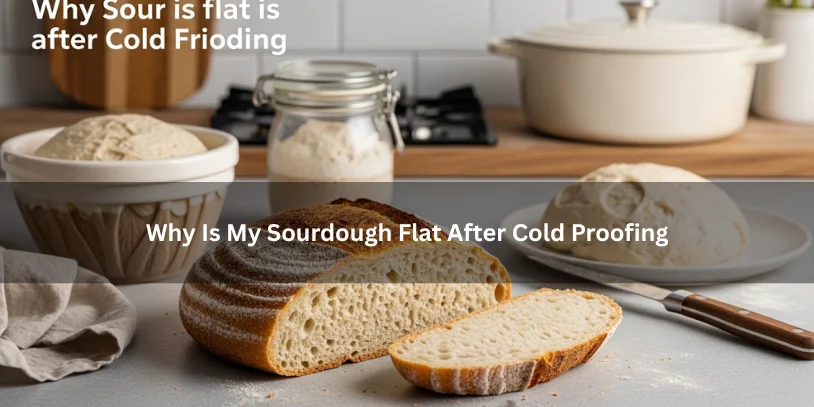
Freshly baked sourdough loaf with a flat low profile beside cold-proofing clues like a banneton and starter jar, illustrating why sourdough turns out flat after cold proofing under soft natural lighting.-why is my sourdough flat after cold proofing

Why Is My Sourdough Flat After Cold Proofing? Causes, Fixes, and How to Get Better Oven Spring

If your sourdough looks promising in the banneton but turns flat, spreads wide, or deflates when scored after an overnight cold proof, the problem is usually one of three things: the dough overfermented, underfermented, or never developed enough strength to hold its shape. Cold proofing, also called a cold retard or cold ferment, slows fermentation,

Why Is My Sourdough Flat After Cold Proofing? Causes, Fixes, and How to Get Better Oven Spring Read More »

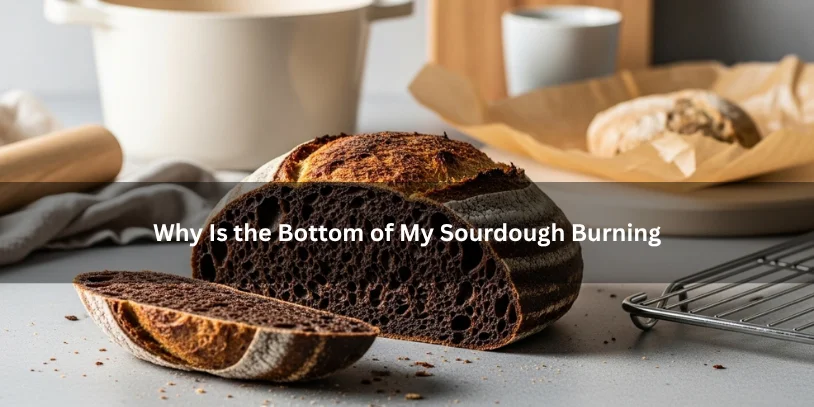
Freshly baked sourdough loaf with a scorched dark bottom crust beside Dutch oven and baking clues, illustrating why the bottom of sourdough burns under soft natural lighting.-why is the bottom of my sourdough burning

Why Is the Bottom of My Sourdough Burning? Causes, Fixes, and the Best Ways to Prevent It

The bottom of sourdough usually burns because it is getting too much direct heat from the baking vessel or oven floor before the rest of the loaf finishes baking. In most home ovens, the main problem is not the dough itself. It is the way heat is being transferred. That is why a loaf can

Why Is the Bottom of My Sourdough Burning? Causes, Fixes, and the Best Ways to Prevent It Read More »

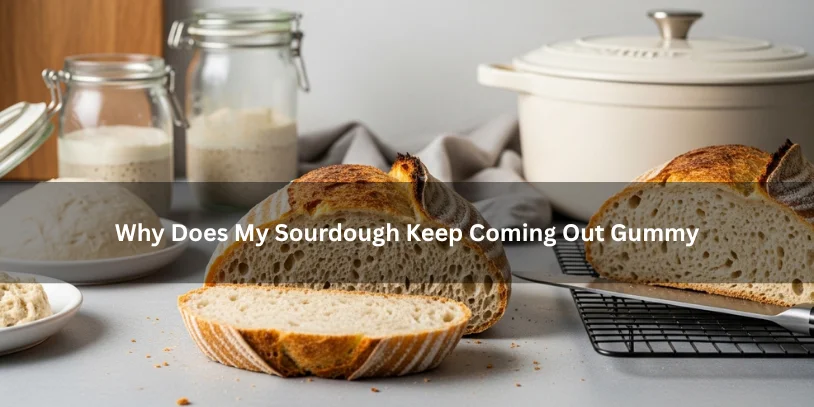
Freshly baked sourdough loaf with a dense glossy gummy crumb beside sourdough baking clues, illustrating why sourdough keeps coming out gummy under soft natural lighting.-why does my sourdough keep coming out gummy

Why Does My Sourdough Keep Coming Out Gummy? How to Fix the Real Cause

If your sourdough looks beautiful on the outside but turns sticky, wet, dense, or rubbery inside, you are dealing with one of the most frustrating bread problems a home baker can face. A gummy sourdough crumb is usually caused by one or more of these issues: underbaking, underfermentation, too much hydration, a weak or young

Why Does My Sourdough Keep Coming Out Gummy? How to Fix the Real Cause Read More »

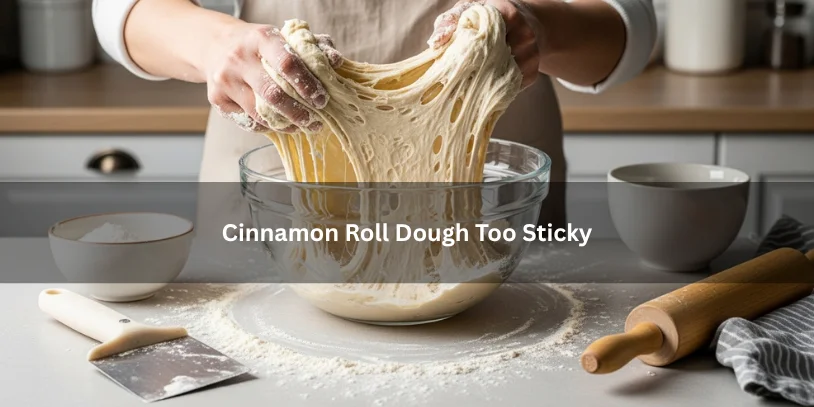
Soft enriched cinnamon roll dough clinging heavily to hands and the countertop, illustrating dough that is too sticky under soft natural lighting.-cinnamon roll dough too sticky

Cinnamon Roll Dough Too Sticky? How to Fix It Without Ruining Soft, Fluffy Rolls

If your cinnamon roll dough is too sticky, the batch is usually still salvageable. Most of the time, the dough needs one of four things: a short rest, more kneading, cooler temperature, or a very small flour adjustment. Cinnamon roll dough is an enriched dough, which means it contains ingredients like butter, milk, eggs, and

Cinnamon Roll Dough Too Sticky? How to Fix It Without Ruining Soft, Fluffy Rolls Read More »

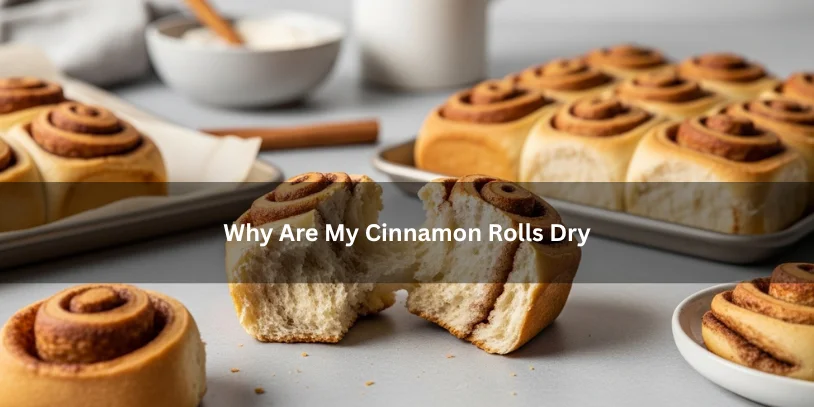
Freshly baked cinnamon rolls with a dry tight crumb and slightly overbaked edges, illustrating why cinnamon rolls turn dry under soft natural lighting.-why are my cinnamon rolls dry

Why Are My Cinnamon Rolls Dry? Common Causes, Quick Fixes, and How to Keep Them Soft

Cinnamon rolls, cinnamon buns, and cinnamon scrolls are supposed to be soft, fluffy, moist, and slightly gooey in the center. When they come out dry, hard, dense, or bready, something has usually gone wrong in one of five places: mixing, kneading, proofing, baking, or storage. That matters because dryness is not always caused by the

Why Are My Cinnamon Rolls Dry? Common Causes, Quick Fixes, and How to Keep Them Soft Read More »